





0
In Cart
How to Track Moon Phases for Personal Transformation
Word Count: Approximately 3,250 words
Estimated Reading Time: 13–15 minutes
Introduction
Many people look for practical ways to create positive change in their lives. Some use journals. Others rely on goal-setting systems, meditation, or mindfulness practices. Tracking moon phases offers another structured approach that can help you reflect, set intentions, and stay aware of personal growth patterns.
The moon moves through a predictable cycle every month. That cycle provides natural checkpoints for reflection and action. By paying attention to each phase, you create regular opportunities to assess your mindset, habits, emotions, and goals.
Moon phase tracking is not about predicting the future. It is not a replacement for decision-making, planning, or professional guidance. Instead, it serves as a framework for self-awareness. The lunar cycle becomes a recurring reminder to pause, observe, and adjust your direction.
This guide explains exactly how to track moon phases for personal transformation. You will learn what each phase represents, how to monitor the lunar cycle, and how to build a sustainable moon-tracking practice that supports meaningful growth.
Why Moon Phase Tracking Supports Personal Transformation
Personal transformation rarely happens overnight. It usually develops through small actions repeated consistently over time.
One reason moon phase tracking appeals to many people is its structure. The lunar cycle lasts approximately 29.5 days. That creates a monthly rhythm that encourages ongoing reflection.
Instead of checking in with yourself only once a year, you gain multiple opportunities each month to evaluate progress.
Tracking moon phases can help you:
- Develop greater self-awareness
- Build a consistent reflection habit
- Set and revisit intentions regularly
- Notice emotional and behavioral patterns
- Create a sense of momentum
- Stay connected to long-term goals
The moon does not create transformation by itself. The value comes from the attention and reflection you bring to the process.
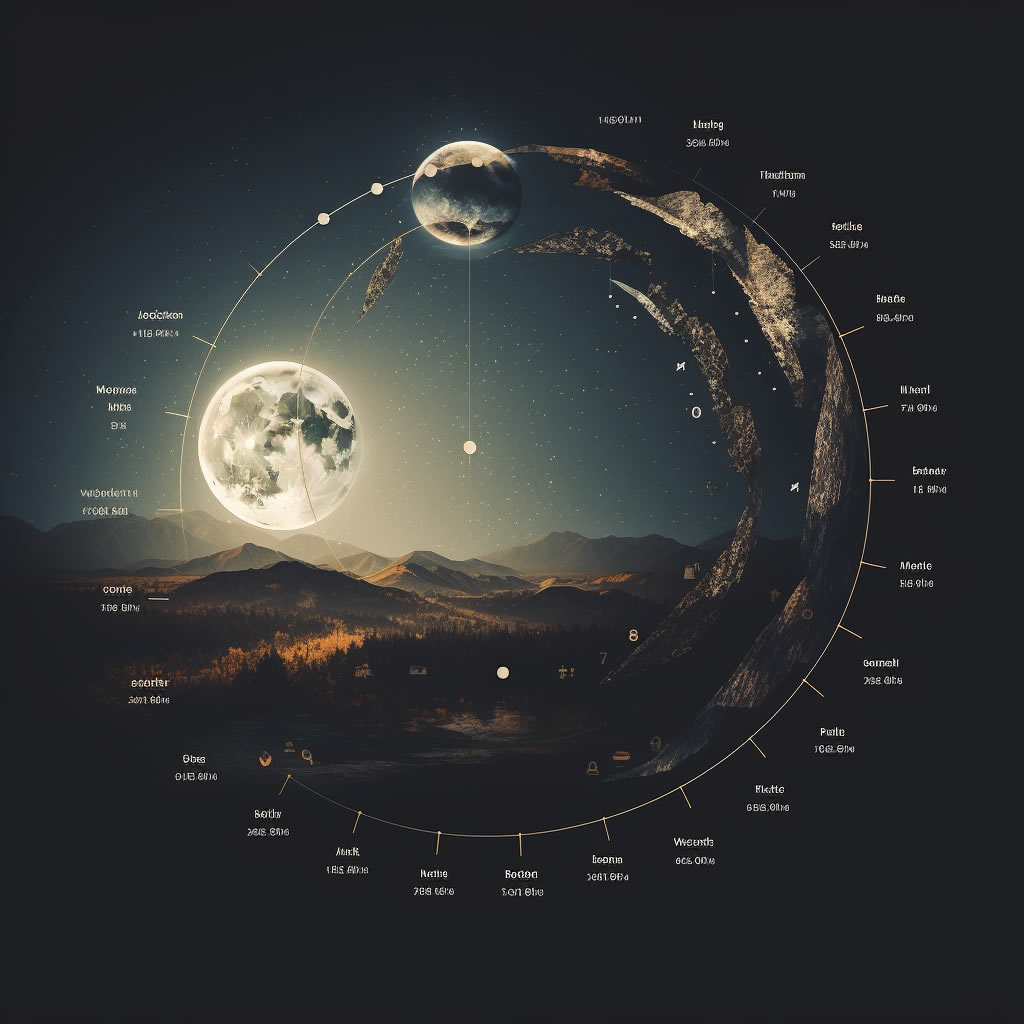
Understanding the Main Moon Phases
Before you begin tracking, it helps to understand the major phases of the lunar cycle.
New Moon
The new moon marks the beginning of the lunar cycle.
At this stage, the moon appears dark from Earth because the illuminated side faces away from view.
Many people associate the new moon with:
- New beginnings
- Intention setting
- Planning
- Fresh starts
- Personal vision
This phase works well for identifying goals and deciding what you want to focus on during the coming month.
Waxing Crescent
The waxing crescent follows the new moon.
A small portion of the moon becomes visible as illumination increases.
This phase often represents:
- Early progress
- Motivation
- Building momentum
- Learning
- Commitment
It is a useful time to take initial steps toward your intentions.
First Quarter
Half of the moon appears illuminated during the first quarter.
This phase often symbolizes action and decision-making.
Many people use this period to:
- Address obstacles
- Make adjustments
- Strengthen commitment
- Evaluate progress
The first quarter can reveal where effort is needed.
Waxing Gibbous
The waxing gibbous occurs just before the full moon.
Most of the moon is visible, but it is not yet completely illuminated.
Themes often include:
- Refinement
- Preparation
- Improvement
- Growth
This phase encourages you to review your progress and make final adjustments.
Full Moon
The full moon is the most visible phase.
The entire illuminated side faces Earth.
Many people associate the full moon with:
- Awareness
- Reflection
- Completion
- Insight
- Recognition
This is often considered the best time to review what has unfolded since the new moon.
Waning Gibbous
After the full moon, illumination begins decreasing.
The waning gibbous phase often represents:
- Gratitude
- Sharing knowledge
- Processing experiences
- Reflection
This period can help you recognize lessons learned.
Last Quarter
The last quarter moon appears half illuminated again.
This phase often focuses on:
- Releasing
- Simplifying
- Reassessment
- Course correction
It provides an opportunity to identify what no longer serves your goals.
Waning Crescent
The waning crescent is the final phase before the next new moon.
Themes frequently include:
- Rest
- Closure
- Reflection
- Renewal
This stage encourages preparation for the next cycle.
How to Start Tracking Moon Phases
Moon tracking does not require complicated tools.
You only need a reliable way to follow lunar dates and record observations.
Choose a Tracking Method
Select a method you can maintain consistently.
Popular options include:
Paper Journal
A dedicated notebook offers flexibility.
You can record:
- Thoughts
- Emotions
- Goals
- Observations
- Personal insights
Many people enjoy the tactile experience of writing by hand.
Digital Journal
Apps and digital notes work well if you prefer technology.
Digital tracking allows quick searches and long-term organization.
Calendar Tracking
A calendar provides a simple solution.
Mark each moon phase and add brief notes throughout the month.
Moon Phase Apps
Many apps automatically display lunar phases and dates.
These tools make it easy to stay informed without needing to calculate anything manually.
Record the Current Moon Phase
Start by identifying today’s moon phase.
Write down:
- Date
- Moon phase
- Mood
- Energy level
- Key goals
- Important events
This creates a baseline for future comparison.
Creating a Monthly Moon Tracking Routine
Consistency matters more than complexity.
A simple routine often produces better results than an elaborate system you eventually abandon.
New Moon Reflection
At each new moon, spend a few minutes asking:
- What do you want to create?
- What deserves more attention?
- Which habits need improvement?
- What goal feels most important right now?
Write your answers clearly.
Keep your intentions specific and realistic.
For example:
Instead of writing, “Become healthier,” write, “Walk for 30 minutes five days per week.”
Specific intentions are easier to track.
Mid-Cycle Check-In
Around the first quarter and waxing gibbous phases, review your progress.
Consider questions such as:
- What actions have you taken?
- What obstacles appeared?
- What adjustments are needed?
- Are your goals still relevant?
These check-ins help prevent drift.
Full Moon Review
The full moon offers a natural review point.
Reflect on:
- Achievements
- Challenges
- Emotional patterns
- Unexpected insights
Look for evidence rather than assumptions.
Document what actually happened.
This creates a more accurate picture of growth.
Waning Phase Reflection
During the waning phases, identify what you want to release.
Examples include:
- Unhelpful habits
- Negative self-talk
- Unrealistic expectations
- Distractions
- Unnecessary commitments
The focus shifts from accumulation to simplification.
What to Record in a Moon Phase Journal
The most effective journals combine objective observations with personal reflection.
Emotional Patterns
Track emotional trends throughout the cycle.
Record feelings such as:
- Motivation
- Stress
- Confidence
- Anxiety
- Optimism
- Frustration
Over time, patterns may become visible.
Habit Progress
Monitor habits connected to your goals.
Examples include:
- Exercise
- Meditation
- Reading
- Sleep routines
- Nutrition habits
Tracking habits provides measurable data.
Energy Levels
Many people notice fluctuations in energy.
Rate your energy each day using a simple scale.
For example:
- 1 = very low
- 5 = moderate
- 10 = very high
Consistent tracking helps identify recurring trends.
Goal Development
Document progress toward personal goals.
Include:
- Wins
- Setbacks
- Lessons learned
- Next actions
This transforms moon tracking into a practical growth tool.
Significant Events
Major events can influence emotional states.
Record important experiences so you can interpret your observations more accurately.
Using Moon Phases for Goal Setting
One of the most effective uses of moon phase tracking involves goal management.
The lunar cycle naturally divides a month into stages.
New Moon: Set Goals
Choose one to three priorities.
Avoid creating an overwhelming list.
Focused attention generally produces better results.
Waxing Moon: Take Action
The waxing phases support momentum.
Use this period to:
- Start projects
- Practice new habits
- Build consistency
- Learn new skills
Action matters more than perfection.
Full Moon: Measure Progress
Review objective evidence.
Ask:
- What improved?
- What remained unchanged?
- What exceeded expectations?
Celebrate meaningful progress.
Waning Moon: Refine and Release
Identify what should continue and what should stop.
Simplification often accelerates growth.
Identifying Personal Transformation Patterns
Moon tracking becomes more valuable over time.
One month provides useful insights.
Several months reveal patterns.
Review Monthly Entries
At the end of each cycle, look back through your notes.
Search for recurring themes.
Examples include:
- Repeated obstacles
- Common emotional triggers
- Successful strategies
- Consistent strengths
Patterns often reveal opportunities for growth.
Compare Multiple Cycles
After three to six months, review all entries together.
Look for:
- Behavioral trends
- Habit improvements
- Emotional shifts
- Goal completion rates
Long-term analysis provides a clearer perspective than isolated observations.
Focus on Evidence
Personal transformation is easiest to evaluate through evidence.
Instead of asking how you feel about your progress, ask:
- What actions changed?
- What results improved?
- Which habits became consistent?
Evidence creates clarity.
Common Mistakes When Tracking Moon Phases
Many beginners make the process harder than necessary.
Avoid these common pitfalls.
Tracking Too Much Information
Complex systems often become difficult to maintain.
Start simple.
Add more detail only if it genuinely helps.
Expecting Immediate Results
Transformation takes time.
A single lunar cycle rarely produces dramatic change.
Consistency matters far more than speed.
Ignoring Practical Action
Reflection alone does not create progress.
Pair awareness with action.
Intentions should lead to measurable steps.
Missing Phases and Quitting
Perfection is unnecessary.
If you miss a phase, continue with the next one.
Consistency over months matters more than flawless tracking.
Moon Tracking and Mindfulness
Moon phase tracking naturally supports mindfulness.
Each phase encourages you to pause and observe.
Mindfulness involves paying attention without judgment.
Moon tracking creates regular reminders to do exactly that.
Observe Without Overanalyzing
Notice your thoughts and emotions.
Avoid assigning immediate meaning to every experience.
Simple observation often provides the most valuable insights.
Practice Honest Reflection
Write honestly.
A journal is most useful when it reflects reality rather than idealized versions of events.
Authentic observations create better self-awareness.
Stay Present
Moon tracking works best when it complements daily life.
The goal is awareness, not obsession.
Use the lunar cycle as a guide rather than a rigid rulebook.
Sample Moon Phase Tracking Template
You can use the following structure each month.
New Moon
Intentions:
- Goal 1
- Goal 2
- Goal 3
Focus Areas:
- Personal growth
- Relationships
- Health
- Career
First Quarter
Progress So Far:
- Successes
- Challenges
Adjustments Needed:
- Action steps
Full Moon
Achievements:
- Key wins
Insights:
- Lessons learned
Last Quarter
What to Release:
- Habits
- Thoughts
- Commitments
Preparation for Next Cycle:
- Priorities
- Improvements
How Long Should You Track Moon Phases?
Longer tracking periods usually reveal deeper insights.
A single month provides a snapshot.
Three months show trends.
Six months reveal stronger patterns.
A year creates a detailed record of personal development.
Many people find that meaningful insights emerge after several consecutive cycles.
Patience helps.
The value often increases with time.
Signs Your Moon Tracking Practice Is Working
You do not need dramatic experiences to benefit from moon phase tracking.
Look for practical indicators.
Greater Self-Awareness
You recognize emotional triggers more quickly.
You understand your habits better.
You notice recurring patterns.
Improved Goal Consistency
You follow through more often.
You review goals regularly.
You make adjustments instead of abandoning plans.
Better Reflection Habits
You spend more time evaluating actions and outcomes.
Reflection becomes a natural part of your routine.
Increased Intentionality
You make decisions with greater awareness.
You become more deliberate about how you spend your time and energy.
Conclusion
Tracking moon phases for personal transformation provides a structured way to support self-awareness and growth. The lunar cycle offers regular checkpoints for setting intentions, taking action, reflecting on progress, and releasing what no longer serves your goals.
The process does not require special expertise. A journal, calendar, or tracking app is enough to get started.
The key is consistency.
Use each phase as an opportunity to observe your thoughts, habits, emotions, and actions. Over time, those observations can reveal valuable patterns that support meaningful personal change.
Rather than chasing dramatic transformation, focus on steady progress. Each lunar cycle becomes another chance to learn, adjust, and move forward with greater clarity and purpose.
View our Live Telephone Psychic Readers
Images by Carl Burness
SHARE THIS POST WITH YOUR FRIENDS:
Read further posts:
Jun. 08, 2026
How to Track Moon Phases for Personal Transformation

Jun. 04, 2026
Daily Energy Protection Practices for Highly Sensitive People

May. 26, 2026
Working with Spirit Animals: Meaning and Connection

May. 20, 2026
How to Create Your Own Personalized Tarot Spreads

May. 13, 2026
The Role of the Subconscious in Psychic Development

May. 05, 2026
How to Clear Your Aura After Challenging Interactions
Apr. 29, 2026
Tarot and Seasonal Rituals: Aligning Readings with the Earth Cycle

Apr. 21, 2026
The Difference Between Intuition and Ego: How to Tell Them Apart

Apr. 14, 2026
How to Develop Clairaudience (Psychic Hearing): Signs & Exercises

Apr. 07, 2026
How to Read Tarot for Children or Teens

Apr. 01, 2026
How to Recognise and Interpret Synchronicities in Daily Life

Mar. 24, 2026
Late-Night Psychic Phone Readings for Australians Who Need Guidance Now

Mar. 14, 2026
Why Australians Are Choosing UK Psychic Phone Readings for Spiritual Guidance
Mar. 11, 2026
Understanding and Using Sacred Geometry in Healing

Mar. 02, 2026
Using Tarot for Emotional Healing After Trauma

Feb. 23, 2026
Shadow Work for Spiritual Growth: A Step-by-Step Guide

Feb. 17, 2026
Signs from Loved Ones Who’ve Passed On: What to Look for

Feb. 10, 2026
Manifesting Love: How to Use New Age Tools—Tarot, Crystals, Affirmations

Feb. 03, 2026
Mindful Eating & Spirituality: Does What You Eat Affect Your Energy?

Jan. 28, 2026
How Psychic Readings Can Help in Business & Career Decisions

Jan. 20, 2026
How Psychic Readings Can Help with Grief
Jan. 13, 2026
How to Use Tarot Spreads: Daily, Weekly & Special Purposes

Jan. 06, 2026
Spiritual Significance of Dreams: Lucid Dreaming, Nightmares, and Recurring Dreams

Dec. 30, 2025
How to Create a Sacred Space at Home: Altars, Smudging, Candles, and More

Dec. 19, 2025
A Wellbeing guide for enjoying Christmas
Dec. 16, 2025
Using Colour & Journalling for Spiritual Growth

Dec. 09, 2025
Signs of Psychic Intuition: How to Recognize Yours

Dec. 03, 2025
What to Ask During a Psychic Reading: 10 Good Questions

Nov. 26, 2025
How to Connect with Your Spirit Guides or Angels

Nov. 18, 2025
Understanding Energy Healing: Chakras, Auras, Reiki, and More

Nov. 12, 2025
Using Aromatherapy Oils to Reduce Stress & Anxiety

Nov. 06, 2025
How Crystals Can Support Emotional Wellbeing: Science or Spirituality?

Oct. 29, 2025
Sound Healing: Using Singing Bowls, Drums & Music for Relaxation

Oct. 23, 2025
Spiritual Tools Every New Age Beginner Should Own

Oct. 14, 2025
How to Use Dreamcatchers & Wind Chimes to Improve Sleep & Energy

Oct. 08, 2025
How to Use Incense and Smudge Sticks for Space Cleansing

Sep. 30, 2025
Moon Rituals: How to Use the New Moon and Full Moon to Reset

Sep. 25, 2025
A Beginner’s Guide to Astrology: Sun, Moon & Rising Signs

Sep. 16, 2025
Tarot Cards 101: Meaning of Major & Minor Arcana

Sep. 10, 2025
The Power of Gratitude in Elevating Your Energy and Awareness

Sep. 01, 2025
Understanding the Role of the Ego in Your Spiritual Path

Aug. 26, 2025
How to Work With Crystals for Emotional and Spiritual Wellness

Aug. 19, 2025
Balancing the Chakras: A Practical Guide for Beginners

Aug. 13, 2025
How to Create a Sacred Space at Home for Daily Reflection | Simple Steps for Peace & Mindfulness

Aug. 05, 2025
Beginner’s Guide to Meditation for Spiritual Growth

Jul. 29, 2025
Yoga as a Spiritual Practice: More Than Just Flexibility

Jul. 23, 2025
The Role of Nutrition in Spiritual Clarity and Energy

Jul. 17, 2025
How to Create a Daily Wellness Routine That Feeds the Soul

Jul. 11, 2025
The Connection Between Mindfulness and Physical Health

Jul. 03, 2025
Signs You’re Experiencing a Spiritual Awakening

Jun. 25, 2025
Are You an Empath? 7 Psychic Signs You Might Be an Empath

Jun. 18, 2025
Psychic Readings vs. Tarot Cards: What’s the Difference?

Jun. 11, 2025
How a Psychic Reading Can Help You Heal After a Breakup

Jun. 04, 2025
Can a Psychic Help You Find Your Soulmate?

May. 28, 2025
The Most Common Love Questions People Ask Psychics

May. 20, 2025
What Your Favorite Color Reveals About Your Aura

May. 14, 2025
The Spiritual Meaning Behind Recurring Dreams

May. 07, 2025
What Your Love Life Says About Your Energy Field

Apr. 28, 2025
Should You Ask a Psychic About Your Ex?

Apr. 22, 2025
Top 7 Benefits of Getting a Psychic Reading by Phone

Apr. 16, 2025
Lifestyle and Health

Apr. 08, 2025
What to Expect During Your First Psychic Phone Reading

Apr. 01, 2025
Mindfulness for Beginners: A Step-by-Step Guide to Living in the Present

Mar. 25, 2025
Using Essential Oils for Emotional and Spiritual Well-Being

Mar. 19, 2025
Understanding Karma: How Your Actions Shape Your Spiritual Path

Mar. 10, 2025
The Role of Mercury Retrograde in Personal Transformation

Mar. 03, 2025
How Meditation Can Help You Manifest Your Dreams

Feb. 24, 2025
Astrology for Healing: How the Planets Influence Your Energy

Feb. 18, 2025
Energy Healing Explained: What Is Reiki and How Does It Work?

Feb. 10, 2025
Breaking Through Limiting Beliefs: A Spiritual Approach to Self-Healing

Feb. 03, 2025
The Magic of Sacred Plants: Spiritual Benefits of Herbal Teas and Remedies

Jan. 29, 2025
Stargazing for the Soul: Finding Inspiration in the Night Sky

Jan. 21, 2025
The Science of Synchronicity: How to Recognize Spiritual Signs in Everyday Life

Jan. 17, 2025
Channeling and Spirit Guides: How to Connect with Higher Wisdom

Jan. 14, 2025
Soulmates and Twin Flames: How to Recognize Spiritual Connections

Jan. 09, 2025
The Spiritual Lessons of the Seasons: Finding Balance in Change

Jan. 06, 2025
How to Align Your Chakras for Balance and Harmony

Jan. 02, 2025
Awakening Your Higher Self: 7 Practices to Raise Your Vibrational Energy

Dec. 29, 2024
The Law of Attraction Explained: How to Manifest Your Ideal Life
Dec. 20, 2024
Harnessing the Power of the Moon for Personal Growth

Dec. 18, 2024
The Art of Journaling for Spiritual Growth: 5 Techniques to Deepen Your Practice

Dec. 15, 2024
How to Perform a Full Moon Ritual for Releasing Negativity

Dec. 12, 2024
Sacred Smudging: How to Cleanse Your Space with Sage and Palo Santo

Dec. 09, 2024
The Power of Affirmations: Transform Your Life with Positive Energy

Dec. 05, 2024
Sacred Spaces: Creating a Meditation Room at Home

Dec. 03, 2024
Grounding Techniques: How to Connect with Earth Energy Daily

Nov. 29, 2024
The Healing Power of Sound: Exploring Singing Bowls and Mantras

Nov. 26, 2024
Forest Bathing: Reconnecting with Nature for Spiritual Healing

Nov. 23, 2024
The Spiritual Meaning of a Morning Ritual: How to Start Your Day with Purpose

Nov. 19, 2024
Psychic Guides and Personal Transformation: From Doubt to Belief

Nov. 13, 2024
Psychic Guides and the Power of Gratitude: Cultivating Positivity
Nov. 09, 2024
Timing with Tarot: Using Tarot to Predict Timelines and Events
Nov. 04, 2024
Tarot and Dream Interpretation: Using Tarot to Decipher Dream Symbols

Oct. 30, 2024
Tarot and the Chakras: Combining Tarot with Chakra Energy Work

Oct. 25, 2024
Tarot Ethics: Guidelines for Ethical Tarot Reading and Consulting

Oct. 22, 2024
Tarot Rituals: Incorporating Tarot into Meditation and Spiritual Practices
Oct. 03, 2024
Reversed Cards: Interpreting Reversed or Inverted Tarot Cards
Sep. 30, 2024
Symbolism in Tarot: Analyzing Symbols, Colors, and Imagery in Cards

Sep. 27, 2024
Understanding Dream Interpretation Through Psychic Readings

Sep. 24, 2024
Can Psychic Readings Help You Make Career Decisions?

Sep. 22, 2024
How Psychic Readings Can Help You Find Love and Improve Relationships

Sep. 18, 2024
How Psychic Readings Can Offer Guidance During Difficult Times

Sep. 15, 2024
Why Energy Readings Can Help You Clear Blocks and Move Forward

Sep. 11, 2024
Psychic Guides and Empathy: Nurturing Your Empathic Abilities

Sep. 08, 2024
Mindfulness and Meditation: Benefits, Techniques, and How to Get Started with Mindfulness and Meditation Practices

Sep. 02, 2024
Positive Psychology: Techniques for Fostering a Positive Mindset and Increasing Happiness

Aug. 28, 2024
Psychic Guides and Psychic Mediums: Bridging the Spiritual Gap

Aug. 20, 2024
Building a Support Network: Importance of Having a Strong Social Support System and Tips for Building One

Aug. 13, 2024
Self-Care Routines: Ideas for Incorporating Self-Care into Daily Life

Aug. 07, 2024
Psychic Mediumship: Connecting with Loved Ones on the Other Side
Aug. 02, 2024
Psychic Predictions: What to Expect and How to Interpret Them

Jul. 30, 2024
Psychic Readings for Career Guidance: Finding Your True Calling

Jul. 25, 2024
Building Resilience: How to Develop Resilience and Cope with Life’s Challenges

Jul. 22, 2024
Dream Interpretation: Unveiling the Messages from Your Subconscious

Jul. 18, 2024
The History of Psychic Readings: From Ancient Times to Modern Practices
Jul. 16, 2024
Psychic Development: Cultivating Your Intuition

Jul. 12, 2024
Nature and Wellbeing: The Benefits of Spending Time in Nature and How to Incorporate It into Daily Life

Jul. 09, 2024
Managing Anxiety and Stress: Tips and Techniques for Coping with Anxiety and Stress, Especially in the Workplace or During Major Life Changes

Jul. 05, 2024
Psychic Guides and The Akashic Records: Accessing Your Soul’s History

Jun. 29, 2024