





0
In Cart
How Crystals Can Support Emotional Wellbeing: Science or Spirituality?
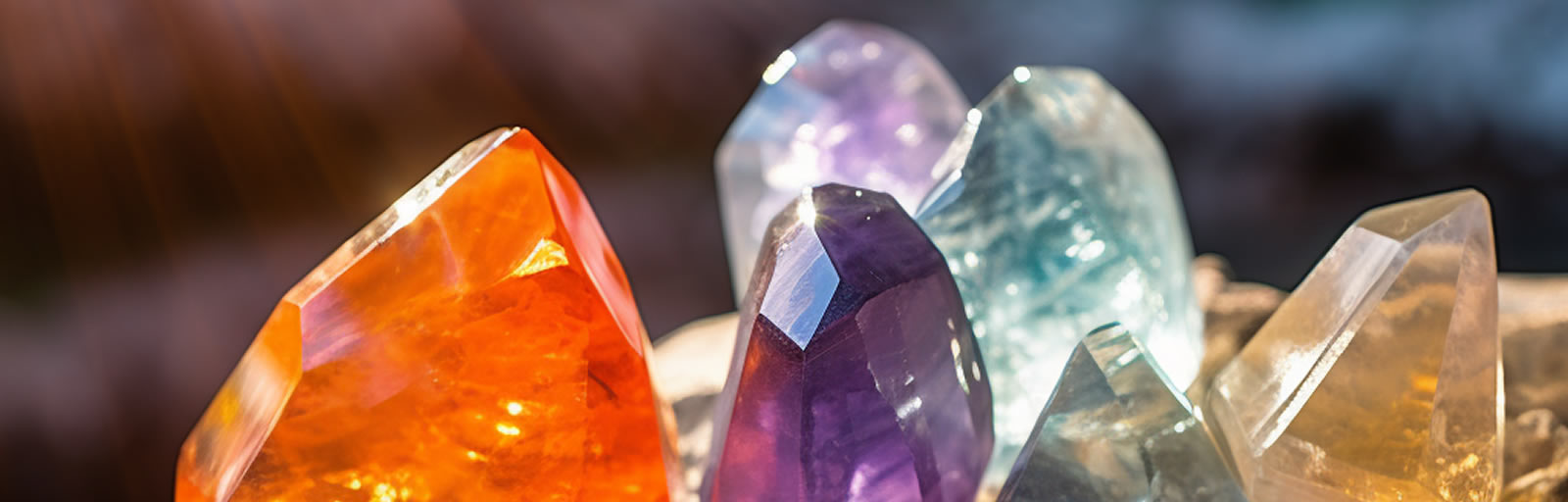
3,200 words
Estimated reading time: 14–16 minutes.
Crystals draw attention. You see them on desks, in pockets, and on meditation mats. You may even hear friends swear that a small stone helped them feel calmer or more grounded. The idea sounds simple. Hold a crystal. Feel better. But the truth is more complex. Emotional wellbeing involves biology, psychology, and perception. Crystals sit at the intersection of those things, which makes the topic fascinating and a bit complicated.
This guide looks at the specific question: Can crystals support emotional wellbeing, and if so, how?
You get a clear, focused breakdown of the science, the spiritual views, and the gaps between the two. You also get practical advice grounded in evidence and critical thinking. No hype. No mystical promises. Just helpful information.
What Emotional Wellbeing Actually Means
Before looking at crystals, you need a clear idea of what emotional wellbeing covers. The term describes how you handle stress, connect with others, process feelings, and cope with life. It involves attention, mood, habits, and thoughts. It shifts throughout the day. It improves or declines based on sleep, relationships, health, and environment.
You can boost emotional wellbeing through many proven methods. Exercise helps. So does good sleep. Mindfulness also plays a big role. Some people add crystals as part of a broader routine. So the question becomes: Are crystals doing something on their own, or are they working because of the larger context?

Why Crystals Appeal to People Seeking Emotional Balance
Crystals seem comforting. They feel cool in your hand. They look organized and symmetrical. Their colors attract the eye. This gives you a sense of calm even before you assign meaning to them.
You also get a physical object that reminds you to slow down. When you hold a stone during meditation, you anchor your focus. You direct attention more easily. You shift your nervous system into a calmer state.
People also like the stories. Each type of crystal comes with a theme. Rose quartz links to compassion. Amethyst links to peace. Black tourmaline links to grounding. These associations create a narrative. The narrative shapes your expectations. Expectations shape your mind and your mood. This is a key point when thinking about science.
A Clear Look at the Science Behind Crystals
Science studies measurable effects. Crystals are minerals with predictable chemical structures. They vibrate, but not in a way that affects your mood. Their “energy fields” do not interact with your body in a measurable or unique way.
So what does science say?
Crystals Do Not Emit Healing Energy
Current research shows no evidence that crystals emit energy that improves emotions. The idea appears in metaphysical traditions, not scientific literature. Researchers tested crystals in controlled environments. Results showed no emotional changes beyond placebo. That does not mean your experience is “not real.” It means the mechanism is different from the claims.
The Placebo Effect Is Powerful and Well-Documented
Placebo is not fake. It is one of the strongest forces in psychology. When you think something will help you, your brain changes activity patterns. You release neurotransmitters linked to calm and comfort. This shift can feel profound.
Crystals fit perfectly into this framework. They give you a clear focus. They give you a meaningful symbol. They give you a sense of control. These elements strengthen placebo responses.
Rituals Improve Emotional Regulation
Studies on ritual show something interesting. When you follow a sequence of steps, you gain a sense of order. Order reduces anxiety. It helps your brain shift into a predictable pattern. This creates feelings of stability. Holding or placing crystals is a simple ritual. You can repeat it anytime. This makes crystals effective tools, even if the effect does not come from the stones themselves.
How Crystals Fit Into Spiritual Perspectives
Spiritual traditions use crystals very differently from scientific practice. These traditions view the world as interconnected. They see objects as carriers of intention and meaning. Crystals symbolize clarity, grounding, or harmony. They serve as reminders of inner states you want to create.
Intention Matters in Spiritual Practices
When you set an intention, you guide your attention. You create a mental target. This target shapes your behavior. Many people use crystals as intention anchors. They focus on compassion, calm, or confidence. This creates a feedback loop. You see the crystal. You remember the intention. You shape your actions.
Crystals as Symbols, Not Engines
In spiritual practice, the crystal does not need to emit energy. Instead, it holds meaning. The meaning then supports your emotional state. Symbols play a strong role in human psychology. Flags, icons, charms, and amulets influence people because symbols speak to emotion more than logic.
Crystals fit this pattern. They offer symbolic structure. They help you externalize thoughts you want to grow. They help you contain feelings you want to change.
Meditation Traditions Use Physical Objects
Many meditation traditions use beads, candles, or stones. These tools have one goal. They help you focus the mind. Crystals serve the same purpose. The shape and feel of a crystal help you settle your attention. This supports calm breathing and emotional regulation.
So Are Crystals “Science” or “Spirituality”?
The answer is simple: Both, depending on how you use them.
Science does not support the idea that crystals emit healing energy. But science does support the idea that objects with meaning can help calm the mind. People use crystals in spiritual ways that create emotional benefits. This does not require physics to explain it. It requires an understanding of perception and behavior.
You get results when the crystal sits inside a system of intention, reflection, and mindfulness. You get less when you expect the stone to do the work on its own.
How Crystals Can Support Emotional Wellbeing in Real Life
You can bring crystals into your daily life in practical ways. You do not need to believe in metaphysical energy. You only need to understand how the object influences your attention and mood.
Below are grounded, evidence-friendly ways to use crystals without making claims that go beyond the facts.
Use Crystals as Attention Anchors
Place a crystal on your desk. When stress rises, look at it. Take one deep breath. This shifts you into a more regulated state. The crystal becomes a visual reminder to pause. This makes your mind more stable.
Use Them During Mindfulness
Hold a crystal during meditation. Focus on its weight and temperature. This gives your senses something to explore. It keeps your mind from drifting. This increases mindfulness skill over time.
Use Crystals to Build Intentional Habits
Choose one crystal for one goal. Use it as a physical cue. When you see the stone, take a supportive action. This might mean practicing gratitude or setting a boundary. The crystal becomes part of your behavior loop.
Use Them as Sensory Tools for Stress Relief
Texture matters. Some crystals feel smooth. Others feel rough. This sensory input can be grounding. It helps your brain stay present. This reduces certain types of emotional overwhelm.
The Psychology Behind Why Crystals Feel Helpful
Crystals create emotional effects through several psychological pathways. Understanding these gives you clarity and empowers you to use crystals without confusion or unrealistic beliefs.
Expectation Shapes Emotion
Expectation influences how you feel. If you expect a crystal to calm you, your nervous system shifts. Your breathing slows. Your body relaxes. This is not magic. This is psychology. But the impact is real.
Meaning Creates Momentum
When you assign meaning to an object, you turn it into a tool. Your brain responds to symbols. It interprets them as messages. You then act in line with those messages. This builds consistent emotional patterns.
Sensory Input Lowers Emotional Overload
Touch helps regulate the nervous system. Holding a cool, smooth stone engages your sense of touch. This reduces mental chatter. It brings your attention back to your body. That creates calm.
Ritual Reduces Chaos
Ritual has structure. Structure supports emotional stability. Simple rituals with crystals create predictability. Predictability calms the mind.
What Crystals Do Not Do
To stay honest and clear, here is what crystals do not offer. Knowing this protects you from misinformation and unrealistic expectations.
Crystals Do Not Replace Therapy or Medical Care
You cannot treat clinical anxiety, depression, or trauma with crystals. Evidence-based care exists for a reason. Crystals can support a routine. They cannot replace qualified help.
Crystals Do Not Emit Unique Healing Frequencies
There is no scientific proof that crystals send out healing energy. They vibrate like all solid matter. But not in a way that affects mood or health.
Crystals Do Not Work Without Your Involvement
You shape your emotional wellbeing through action. A crystal becomes helpful only when you add intention, reflection, or ritual.
A Balanced Framework for Understanding Crystal Benefits
To keep this grounded and useful, here is a simple framework you can rely on. It blends science and spirituality without confusing the two.
Step 1: Acknowledge the Symbolic Value
You get emotional benefits when a crystal symbolizes something meaningful. You choose the meaning. The meaning shapes your behavior. The behavior shapes your mood.
Step 2: Use Crystals to Support Existing Practices
Crystals pair well with meditation, journaling, or breathing. They make these practices easier to start and maintain. They remind you to show up for your wellbeing.
Step 3: Track Your Experience
Notice how you feel before and after using a crystal. This gives you insight. You understand what helps you and what does not. This strengthens your emotional toolkit.
Step 4: Stay Skeptical but Open
You do not need to accept metaphysical claims to benefit from crystals. You can stay grounded and still use them as psychological tools. This balanced approach keeps you informed and empowered.
How to Choose Crystals Without Falling Into Myths
You can choose crystals based on color, shape, or texture. You do not need to follow metaphysical charts. Pick what feels meaningful or calming. Below are grounded tips.
Choose By Aesthetic Feel
Your reaction to color matters. Cool tones may calm you. Warm tones may energize you. Pick stones that create the feeling you want to cultivate.
Choose By Physical Sensation
Some people like smooth, polished stones. Others prefer rough textures. Notice what feels grounding or soothing to you.
Choose By Personal Symbolism
A crystal becomes powerful when you attach intention to it. Choose one that represents a goal. Let that guide your actions.
How to Use Crystals Without Overclaiming Their Effects
You can get emotional benefits without repeating pseudoscience. Here is how.
Keep the Science Clear
Use crystals as tools for focus or reflection. Do not expect them to emit energy.
Keep the Spiritual Meaning Personal
You can assign meaning to stones without making universal claims. Your meaning matters because it influences your mind.
Keep Your Practices Consistent
Crystals complement habits. They do not create habits. Use them to build routines that support emotional balance.
Why This Topic Matters in Today’s World
Modern life pushes your nervous system. Constant alerts. Rapid change. Heavy workloads. People look for grounding tools. Crystals are simple and accessible. They offer a moment of stillness. You can carry one. You can place one on your desk. You can use it in small pockets of time. Even if the effect is symbolic, the outcome can still support emotional balance.
What Research Suggests About Objects and Emotion
While crystals themselves lack evidence for energetic healing, studies on related topics offer insight.
Objects Can Trigger Emotional States
People feel different when they hold meaningful items. This might include a lucky charm, a photograph, or a souvenir. The emotional shift comes from memory, meaning, and association.
Physical Cues Improve Emotional Regulation
Tools that support focus enhance mindfulness. Stones serve as cues. This helps you notice your emotions earlier. You then manage them more effectively.
Simple Tools Improve Consistency
People stick to routines when the routine includes a physical reminder. A crystal works well because it is small, portable, and visually striking.
How to Build a Crystal-Supported Emotional Routine
If you want to use crystals in a grounded way, try this simple process.
Step 1: Choose One Crystal for One Goal
Keep the goal clear. Maybe you want calm or clarity. Choose a stone that helps you remember that goal.
Step 2: Pair the Stone With a Daily Habit
Place it next to your journal. Keep it near your meditation mat. Carry it during stressful meetings. The stone becomes a cue.
Step 3: Use Touch as a Grounding Tool
When you feel stress rise, hold the stone. Focus on the sensation. Breathe slowly. This cues your nervous system to calm down.
Step 4: Reflect at the End of the Day
Notice what worked. Notice what did not. Adjust your use of the crystal with intention.

How to Talk About Crystals Without Spreading Misinformation
If you share thoughts about crystals, keep things honest and helpful.
- Focus on personal experience, not universal claims.
- Talk about symbolism and mindfulness.
- Avoid language that frames crystals as medical tools.
- Emphasize choice and reflection.
This keeps the conversation grounded, respectful, and useful.
Final Thoughts: Where Crystals Fit Into Emotional Wellbeing
Crystals can support emotional wellbeing, but not because of energy fields. They help because they shape attention, expectation, and ritual. They offer symbolic structure. They give you a physical cue to slow down. They support practices that actually improve mood.
You do not need to believe in metaphysics. You only need to understand how your mind works. When you use a crystal with intention, the benefits come from you, not the stone. And that makes the practice both grounded and empowering.
View our Live Telephone Psychic Readers
Images by Carl Burness
SHARE THIS POST WITH YOUR FRIENDS:
Read further posts:

Jun. 24, 2026
The Language of Symbols in Healing and Dreams

Jun. 15, 2026
Healing from Burnout Using Spiritual Frameworks
Jun. 08, 2026
How to Track Moon Phases for Personal Transformation
Jun. 04, 2026
Daily Energy Protection Practices for Highly Sensitive People

May. 26, 2026
Working with Spirit Animals: Meaning and Connection
May. 20, 2026
How to Create Your Own Personalized Tarot Spreads
May. 13, 2026
The Role of the Subconscious in Psychic Development
May. 05, 2026
How to Clear Your Aura After Challenging Interactions
Apr. 29, 2026
Tarot and Seasonal Rituals: Aligning Readings with the Earth Cycle
Apr. 21, 2026
The Difference Between Intuition and Ego: How to Tell Them Apart
Apr. 14, 2026
How to Develop Clairaudience (Psychic Hearing): Signs & Exercises
Apr. 07, 2026
How to Read Tarot for Children or Teens
Apr. 01, 2026
How to Recognise and Interpret Synchronicities in Daily Life
Mar. 24, 2026
Late-Night Psychic Phone Readings for Australians Who Need Guidance Now
Mar. 14, 2026
Why Australians Are Choosing UK Psychic Phone Readings for Spiritual Guidance
Mar. 11, 2026
Understanding and Using Sacred Geometry in Healing
Mar. 02, 2026
Using Tarot for Emotional Healing After Trauma

Feb. 23, 2026
Shadow Work for Spiritual Growth: A Step-by-Step Guide

Feb. 17, 2026
Signs from Loved Ones Who’ve Passed On: What to Look for

Feb. 10, 2026
Manifesting Love: How to Use New Age Tools—Tarot, Crystals, Affirmations

Feb. 03, 2026
Mindful Eating & Spirituality: Does What You Eat Affect Your Energy?

Jan. 28, 2026
How Psychic Readings Can Help in Business & Career Decisions
Jan. 20, 2026
How Psychic Readings Can Help with Grief
Jan. 13, 2026
How to Use Tarot Spreads: Daily, Weekly & Special Purposes

Jan. 06, 2026
Spiritual Significance of Dreams: Lucid Dreaming, Nightmares, and Recurring Dreams
Dec. 30, 2025
How to Create a Sacred Space at Home: Altars, Smudging, Candles, and More

Dec. 19, 2025
A Wellbeing guide for enjoying Christmas
Dec. 16, 2025
Using Colour & Journalling for Spiritual Growth
Dec. 09, 2025
Signs of Psychic Intuition: How to Recognize Yours
Dec. 03, 2025
What to Ask During a Psychic Reading: 10 Good Questions
Nov. 26, 2025
How to Connect with Your Spirit Guides or Angels
Nov. 18, 2025
Understanding Energy Healing: Chakras, Auras, Reiki, and More
Nov. 12, 2025
Using Aromatherapy Oils to Reduce Stress & Anxiety
Nov. 06, 2025
How Crystals Can Support Emotional Wellbeing: Science or Spirituality?
Oct. 29, 2025
Sound Healing: Using Singing Bowls, Drums & Music for Relaxation
Oct. 23, 2025
Spiritual Tools Every New Age Beginner Should Own
Oct. 14, 2025
How to Use Dreamcatchers & Wind Chimes to Improve Sleep & Energy
Oct. 08, 2025
How to Use Incense and Smudge Sticks for Space Cleansing
Sep. 30, 2025
Moon Rituals: How to Use the New Moon and Full Moon to Reset

Sep. 25, 2025
A Beginner’s Guide to Astrology: Sun, Moon & Rising Signs
Sep. 16, 2025
Tarot Cards 101: Meaning of Major & Minor Arcana
Sep. 10, 2025
The Power of Gratitude in Elevating Your Energy and Awareness

Sep. 01, 2025
Understanding the Role of the Ego in Your Spiritual Path
Aug. 26, 2025
How to Work With Crystals for Emotional and Spiritual Wellness

Aug. 19, 2025
Balancing the Chakras: A Practical Guide for Beginners
Aug. 13, 2025
How to Create a Sacred Space at Home for Daily Reflection | Simple Steps for Peace & Mindfulness

Aug. 05, 2025
Beginner’s Guide to Meditation for Spiritual Growth

Jul. 29, 2025
Yoga as a Spiritual Practice: More Than Just Flexibility

Jul. 23, 2025
The Role of Nutrition in Spiritual Clarity and Energy
Jul. 17, 2025
How to Create a Daily Wellness Routine That Feeds the Soul

Jul. 11, 2025
The Connection Between Mindfulness and Physical Health
Jul. 03, 2025
Signs You’re Experiencing a Spiritual Awakening
Jun. 25, 2025
Are You an Empath? 7 Psychic Signs You Might Be an Empath

Jun. 18, 2025
Psychic Readings vs. Tarot Cards: What’s the Difference?

Jun. 11, 2025
How a Psychic Reading Can Help You Heal After a Breakup

Jun. 04, 2025
Can a Psychic Help You Find Your Soulmate?
May. 28, 2025
The Most Common Love Questions People Ask Psychics
May. 20, 2025
What Your Favorite Color Reveals About Your Aura

May. 14, 2025
The Spiritual Meaning Behind Recurring Dreams

May. 07, 2025
What Your Love Life Says About Your Energy Field

Apr. 28, 2025
Should You Ask a Psychic About Your Ex?

Apr. 22, 2025
Top 7 Benefits of Getting a Psychic Reading by Phone

Apr. 16, 2025
Lifestyle and Health

Apr. 08, 2025
What to Expect During Your First Psychic Phone Reading

Apr. 01, 2025
Mindfulness for Beginners: A Step-by-Step Guide to Living in the Present
Mar. 25, 2025
Using Essential Oils for Emotional and Spiritual Well-Being
Mar. 19, 2025
Understanding Karma: How Your Actions Shape Your Spiritual Path
Mar. 10, 2025
The Role of Mercury Retrograde in Personal Transformation

Mar. 03, 2025
How Meditation Can Help You Manifest Your Dreams
Feb. 24, 2025
Astrology for Healing: How the Planets Influence Your Energy
Feb. 18, 2025
Energy Healing Explained: What Is Reiki and How Does It Work?
Feb. 10, 2025
Breaking Through Limiting Beliefs: A Spiritual Approach to Self-Healing

Feb. 03, 2025
The Magic of Sacred Plants: Spiritual Benefits of Herbal Teas and Remedies
Jan. 29, 2025
Stargazing for the Soul: Finding Inspiration in the Night Sky
Jan. 21, 2025
The Science of Synchronicity: How to Recognize Spiritual Signs in Everyday Life
Jan. 17, 2025
Channeling and Spirit Guides: How to Connect with Higher Wisdom
Jan. 14, 2025
Soulmates and Twin Flames: How to Recognize Spiritual Connections

Jan. 09, 2025
The Spiritual Lessons of the Seasons: Finding Balance in Change
Jan. 06, 2025
How to Align Your Chakras for Balance and Harmony
Jan. 02, 2025
Awakening Your Higher Self: 7 Practices to Raise Your Vibrational Energy

Dec. 29, 2024
The Law of Attraction Explained: How to Manifest Your Ideal Life
Dec. 20, 2024
Harnessing the Power of the Moon for Personal Growth
Dec. 18, 2024
The Art of Journaling for Spiritual Growth: 5 Techniques to Deepen Your Practice
Dec. 15, 2024
How to Perform a Full Moon Ritual for Releasing Negativity
Dec. 12, 2024
Sacred Smudging: How to Cleanse Your Space with Sage and Palo Santo
Dec. 09, 2024
The Power of Affirmations: Transform Your Life with Positive Energy
Dec. 05, 2024
Sacred Spaces: Creating a Meditation Room at Home

Dec. 03, 2024
Grounding Techniques: How to Connect with Earth Energy Daily

Nov. 29, 2024
The Healing Power of Sound: Exploring Singing Bowls and Mantras

Nov. 26, 2024
Forest Bathing: Reconnecting with Nature for Spiritual Healing

Nov. 23, 2024
The Spiritual Meaning of a Morning Ritual: How to Start Your Day with Purpose
Nov. 19, 2024
Psychic Guides and Personal Transformation: From Doubt to Belief

Nov. 13, 2024
Psychic Guides and the Power of Gratitude: Cultivating Positivity
Nov. 09, 2024
Timing with Tarot: Using Tarot to Predict Timelines and Events
Nov. 04, 2024
Tarot and Dream Interpretation: Using Tarot to Decipher Dream Symbols
Oct. 30, 2024
Tarot and the Chakras: Combining Tarot with Chakra Energy Work
Oct. 25, 2024
Tarot Ethics: Guidelines for Ethical Tarot Reading and Consulting
Oct. 22, 2024
Tarot Rituals: Incorporating Tarot into Meditation and Spiritual Practices
Oct. 03, 2024
Reversed Cards: Interpreting Reversed or Inverted Tarot Cards
Sep. 30, 2024
Symbolism in Tarot: Analyzing Symbols, Colors, and Imagery in Cards
Sep. 27, 2024
Understanding Dream Interpretation Through Psychic Readings

Sep. 24, 2024
Can Psychic Readings Help You Make Career Decisions?

Sep. 22, 2024
How Psychic Readings Can Help You Find Love and Improve Relationships

Sep. 18, 2024
How Psychic Readings Can Offer Guidance During Difficult Times
Sep. 15, 2024
Why Energy Readings Can Help You Clear Blocks and Move Forward
Sep. 11, 2024
Psychic Guides and Empathy: Nurturing Your Empathic Abilities

Sep. 08, 2024
Mindfulness and Meditation: Benefits, Techniques, and How to Get Started with Mindfulness and Meditation Practices

Sep. 02, 2024
Positive Psychology: Techniques for Fostering a Positive Mindset and Increasing Happiness
Aug. 28, 2024
Psychic Guides and Psychic Mediums: Bridging the Spiritual Gap
Aug. 20, 2024
Building a Support Network: Importance of Having a Strong Social Support System and Tips for Building One

Aug. 13, 2024
Self-Care Routines: Ideas for Incorporating Self-Care into Daily Life

Aug. 07, 2024
Psychic Mediumship: Connecting with Loved Ones on the Other Side
Aug. 02, 2024
Psychic Predictions: What to Expect and How to Interpret Them
Jul. 30, 2024
Psychic Readings for Career Guidance: Finding Your True Calling

Jul. 25, 2024
Building Resilience: How to Develop Resilience and Cope with Life’s Challenges
Jul. 22, 2024
Dream Interpretation: Unveiling the Messages from Your Subconscious

Jul. 18, 2024
The History of Psychic Readings: From Ancient Times to Modern Practices
Jul. 16, 2024
Psychic Development: Cultivating Your Intuition

Jul. 12, 2024
Nature and Wellbeing: The Benefits of Spending Time in Nature and How to Incorporate It into Daily Life
Jul. 09, 2024