





0
In Cart
How to Create a Sacred Space at Home for Daily Reflection | Simple Steps for Peace & Mindfulness
Word count: ~3,200
Estimated reading time: ~15–17 minutes
Introduction
Life moves fast. Responsibilities pile up. Noise never seems to end.
Amid the rush, it’s easy to lose touch with yourself.
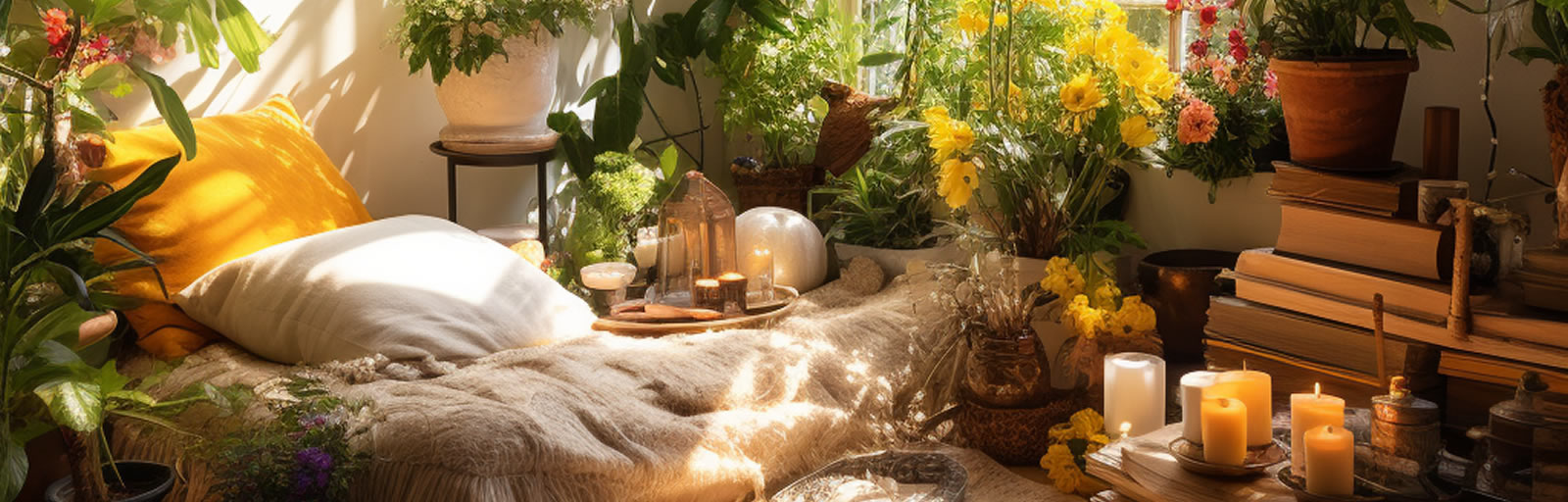
That’s where a sacred space comes in. It’s more than a corner with a chair. It’s a physical and emotional anchor — a place designed to slow you down, encourage stillness, and give your thoughts room to breathe.
A dedicated space for daily reflection can help you regain clarity, reduce stress, and cultivate mindfulness. This guide will walk you through every step of creating a sacred space at home — one that feels personal, purposeful, and inviting.
Why a Sacred Space for Daily Reflection Matters
A sacred space signals to your mind that it’s time to pause. It creates a boundary between daily chaos and intentional quiet.
Researchers from the University of Wisconsin–Madison found that even short, regular mindfulness sessions can lower anxiety and improve emotional regulation. Having a designated space makes that practice easier to maintain.
In practical terms, a sacred space:
- Encourages consistency in reflection
- Reduces decision fatigue (“Where should I sit today?”)
- Becomes a visual reminder to slow down
- Supports rituals that strengthen mental health
It’s not about size or cost. It’s about meaning, comfort, and connection to your inner life.

Step 1: Choosing the Right Location for Your Sacred Space
The location shapes the energy of your sacred space.
Look for a Quiet Spot
Noise is the enemy of reflection. Choose an area away from heavy foot traffic. Even if you live in a small home, you can use a quiet corner, a section of a bedroom, or a spot by a window.
Consider Natural Light
Natural light can lift mood and make your space feel alive. A window seat, balcony nook, or sunny alcove can work wonders.
Think About Privacy
You want to feel unobserved. If you can’t dedicate an entire room, use room dividers, tall plants, or curtains to create a boundary.
Mind the Flow
If the space is hard to access or constantly interrupted, you’ll use it less. Pick somewhere easy to reach yet shielded from distractions.
Step 2: Decluttering Before Creating a Sacred Space
Clutter carries mental weight. It signals unfinished business, which can pull focus away from reflection.
Before you bring in anything new, remove what doesn’t belong. This doesn’t mean stripping the space bare — it means being intentional.
- Clear surfaces
- Store unrelated items elsewhere
- Leave open space to breathe
A decluttered area sets a mental tone: “This is where I release, not where I juggle tasks.”
Step 3: Defining the Purpose of Your Sacred Space
Not all sacred spaces are identical. Yours should reflect how you intend to use it.
Meditation
If your main goal is meditation, you might want floor cushions, soft lighting, and a focal point like a candle or statue.
Prayer
If prayer is central, you may include religious texts, icons, or an altar-like setup.
Journaling
For reflective writing, you’ll need a small table, a comfortable chair, and good lighting.
Mixed Use
Many people combine activities: meditation, gratitude journaling, deep breathing, and quiet reading. If so, keep the setup flexible.
Being clear on the purpose will guide every design choice that follows.
Step 4: Choosing Meaningful Elements for Daily Reflection
A sacred space works best when it feels personal. That means surrounding yourself with items that inspire, calm, or ground you.
Seating
Your seat should encourage relaxation but not sleep. A meditation cushion, armchair, or yoga mat can work.
Focal Points
Humans respond well to visual anchors. A piece of art, a candle, or a plant can serve as your focal point.
Natural Elements
Nature has a proven calming effect. Include stones, shells, wood, or plants to soften the space.
Textures
Soft blankets, rugs, or cushions can make the space more inviting.
Scents
Smell is tied closely to memory and mood. Use essential oils, incense, or fresh flowers to signal the start of reflection.
Step 5: Lighting Your Sacred Space for Reflection
Lighting shapes mood more than most people realize.
Natural Light
If possible, position the space near a window. Morning light can feel energizing; evening light can feel serene.
Adjustable Lighting
Use lamps with dimmers so you can control brightness.
Candlelight
Candles add warmth and ritual. Just ensure safety — use holders and never leave flames unattended.
Step 6: Adding Rituals to Your Sacred Space Practice
The most successful sacred spaces aren’t just pretty corners — they’re active environments for daily practice.
Start with a Trigger
A trigger signals that it’s time to begin. It could be lighting a candle, ringing a small bell, or taking three deep breaths.
Keep Rituals Consistent
Repetition strengthens the mind’s association with the space. Over time, simply entering the space can shift you into reflection mode.
End Intentionally
Close each session with a small ritual — blowing out a candle, writing a final note, or whispering gratitude.
Step 7: Managing Sensory Elements in a Sacred Space
Your sacred space should engage the senses in ways that support calm and focus.
Sound
Some prefer silence. Others like soft music, nature sounds, or white noise. Experiment to see what feels right.
Scent
Lavender, sandalwood, and cedarwood are often associated with calmness. If you dislike strong scents, even a single fresh flower can work.
Touch
Texture matters. A rough wool blanket feels different from smooth silk. Choose fabrics that feel comforting under your hands.
Sight
Colors influence mood. Soft blues and greens can be calming, while warm tones like amber or gold can feel grounding.
Step 8: Keeping Your Sacred Space Flexible
Life changes. Your sacred space should adapt.
If the seasons shift, you might move closer to a sunny window in winter or open a balcony corner in summer.
If your practice evolves, swap items to match your needs.
The key is to maintain the intention of the space, even if its look changes.
Step 9: Protecting the Energy of Your Sacred Space
Once you’ve created it, guard it.
- Ask household members to respect its purpose
- Avoid using it for unrelated tasks
- Keep it clean and ready for use
When a space is treated with respect, it holds its energy.
Step 10: Making Daily Reflection a Habit in Your Sacred Space
A sacred space is most powerful when used often.
Aim for short daily sessions — even five minutes count.
You can always extend the time later. Consistency matters more than length.
Morning use can set the tone for the day. Evening use can help release stress.
Common Mistakes to Avoid When Creating a Sacred Space
- Overfilling the space with decor that distracts
- Using uncomfortable seating that shortens sessions
- Placing it in high-traffic areas
- Letting clutter creep back in
- Treating it as a one-time project instead of an evolving practice
The Lasting Impact of a Sacred Space for Reflection
With regular use, a sacred space can influence more than just the moments spent inside it.
You may notice:
- Lower stress levels
- Better emotional clarity
- Stronger connection to personal values
- More consistent mindfulness practice
It becomes not just a physical area, but a habit of mind.
Example Layout for a Small Sacred Space at Home
Here’s a simple example to visualize:
- Location: Bedroom corner near a window
- Seating: Soft floor cushion with a small backrest
- Focal Point: Low wooden table with a candle and plant
- Lighting: Small dimmable lamp for evenings
- Accessories: Journal, pen, essential oil diffuser with lavender
- Ritual: Light candle, deep breath, write three lines of gratitude
Small, functional, and deeply personal.
Maintaining the Energy of Your Sacred Space
Your sacred space will feel different when it’s cared for.
- Dust surfaces weekly
- Replace wilted plants or flowers
- Rotate decor seasonally
- Keep a dedicated cloth for cleaning
- Refresh scents periodically
This maintenance becomes part of the ritual itself.
Sacred Space Ideas When You Have Limited Room
No room? No problem. Sacred spaces can be portable.
Examples:
- A small tray that holds your candle, journal, and incense — easy to store and set up anywhere
- A meditation mat you roll out only when in use
- A shelf in a closet with meaningful objects
Even a single chair by a window can become sacred when approached with intention.
Adapting Your Sacred Space for Specific Needs
For Families
Include shared elements like a gratitude jar everyone can contribute to.
For Work-from-Home Schedules
Use the space as a mental transition between work and personal time.
For Healing
Incorporate comforting textures, healing crystals, or soothing music to support recovery.
Final Thoughts on Creating a Sacred Space for Daily Reflection
Creating a sacred space at home for daily reflection doesn’t require perfection. It requires intention, care, and consistency.
It’s a space that grows with you. It becomes a mirror of your inner journey. And it’s always there, ready to welcome you back.
Small, daily moments inside it can shift the way you experience the rest of your life.

View our Live Telephone Psychic Readers
Images by Carl Burness
SHARE THIS POST WITH YOUR FRIENDS:
Read further posts:

Jun. 30, 2026
How to Talk to Kids About Intuition and Inner Knowing

Jun. 24, 2026
The Language of Symbols in Healing and Dreams

Jun. 15, 2026
Healing from Burnout Using Spiritual Frameworks

Jun. 08, 2026
How to Track Moon Phases for Personal Transformation

Jun. 04, 2026
Daily Energy Protection Practices for Highly Sensitive People

May. 26, 2026
Working with Spirit Animals: Meaning and Connection

May. 20, 2026
How to Create Your Own Personalized Tarot Spreads

May. 13, 2026
The Role of the Subconscious in Psychic Development

May. 05, 2026
How to Clear Your Aura After Challenging Interactions
Apr. 29, 2026
Tarot and Seasonal Rituals: Aligning Readings with the Earth Cycle

Apr. 21, 2026
The Difference Between Intuition and Ego: How to Tell Them Apart

Apr. 14, 2026
How to Develop Clairaudience (Psychic Hearing): Signs & Exercises

Apr. 07, 2026
How to Read Tarot for Children or Teens

Apr. 01, 2026
How to Recognise and Interpret Synchronicities in Daily Life

Mar. 24, 2026
Late-Night Psychic Phone Readings for Australians Who Need Guidance Now

Mar. 14, 2026
Why Australians Are Choosing UK Psychic Phone Readings for Spiritual Guidance

Mar. 11, 2026
Understanding and Using Sacred Geometry in Healing

Mar. 02, 2026
Using Tarot for Emotional Healing After Trauma

Feb. 23, 2026
Shadow Work for Spiritual Growth: A Step-by-Step Guide

Feb. 17, 2026
Signs from Loved Ones Who’ve Passed On: What to Look for

Feb. 10, 2026
Manifesting Love: How to Use New Age Tools—Tarot, Crystals, Affirmations

Feb. 03, 2026
Mindful Eating & Spirituality: Does What You Eat Affect Your Energy?

Jan. 28, 2026
How Psychic Readings Can Help in Business & Career Decisions

Jan. 20, 2026
How Psychic Readings Can Help with Grief
Jan. 13, 2026
How to Use Tarot Spreads: Daily, Weekly & Special Purposes

Jan. 06, 2026
Spiritual Significance of Dreams: Lucid Dreaming, Nightmares, and Recurring Dreams

Dec. 30, 2025
How to Create a Sacred Space at Home: Altars, Smudging, Candles, and More

Dec. 19, 2025
A Wellbeing guide for enjoying Christmas

Dec. 16, 2025
Using Colour & Journalling for Spiritual Growth

Dec. 09, 2025
Signs of Psychic Intuition: How to Recognize Yours

Dec. 03, 2025
What to Ask During a Psychic Reading: 10 Good Questions

Nov. 26, 2025
How to Connect with Your Spirit Guides or Angels

Nov. 18, 2025
Understanding Energy Healing: Chakras, Auras, Reiki, and More

Nov. 12, 2025
Using Aromatherapy Oils to Reduce Stress & Anxiety

Nov. 06, 2025
How Crystals Can Support Emotional Wellbeing: Science or Spirituality?

Oct. 29, 2025
Sound Healing: Using Singing Bowls, Drums & Music for Relaxation

Oct. 23, 2025
Spiritual Tools Every New Age Beginner Should Own

Oct. 14, 2025
How to Use Dreamcatchers & Wind Chimes to Improve Sleep & Energy

Oct. 08, 2025
How to Use Incense and Smudge Sticks for Space Cleansing

Sep. 30, 2025
Moon Rituals: How to Use the New Moon and Full Moon to Reset

Sep. 25, 2025
A Beginner’s Guide to Astrology: Sun, Moon & Rising Signs
Sep. 16, 2025
Tarot Cards 101: Meaning of Major & Minor Arcana

Sep. 10, 2025
The Power of Gratitude in Elevating Your Energy and Awareness

Sep. 01, 2025
Understanding the Role of the Ego in Your Spiritual Path

Aug. 26, 2025
How to Work With Crystals for Emotional and Spiritual Wellness

Aug. 19, 2025
Balancing the Chakras: A Practical Guide for Beginners
Aug. 13, 2025
How to Create a Sacred Space at Home for Daily Reflection | Simple Steps for Peace & Mindfulness

Aug. 05, 2025
Beginner’s Guide to Meditation for Spiritual Growth

Jul. 29, 2025
Yoga as a Spiritual Practice: More Than Just Flexibility

Jul. 23, 2025
The Role of Nutrition in Spiritual Clarity and Energy

Jul. 17, 2025
How to Create a Daily Wellness Routine That Feeds the Soul

Jul. 11, 2025
The Connection Between Mindfulness and Physical Health

Jul. 03, 2025
Signs You’re Experiencing a Spiritual Awakening

Jun. 25, 2025
Are You an Empath? 7 Psychic Signs You Might Be an Empath

Jun. 18, 2025
Psychic Readings vs. Tarot Cards: What’s the Difference?

Jun. 11, 2025
How a Psychic Reading Can Help You Heal After a Breakup

Jun. 04, 2025
Can a Psychic Help You Find Your Soulmate?

May. 28, 2025
The Most Common Love Questions People Ask Psychics

May. 20, 2025
What Your Favorite Color Reveals About Your Aura

May. 14, 2025
The Spiritual Meaning Behind Recurring Dreams

May. 07, 2025
What Your Love Life Says About Your Energy Field

Apr. 28, 2025
Should You Ask a Psychic About Your Ex?

Apr. 22, 2025
Top 7 Benefits of Getting a Psychic Reading by Phone

Apr. 16, 2025
Lifestyle and Health

Apr. 08, 2025
What to Expect During Your First Psychic Phone Reading

Apr. 01, 2025
Mindfulness for Beginners: A Step-by-Step Guide to Living in the Present

Mar. 25, 2025
Using Essential Oils for Emotional and Spiritual Well-Being

Mar. 19, 2025
Understanding Karma: How Your Actions Shape Your Spiritual Path

Mar. 10, 2025
The Role of Mercury Retrograde in Personal Transformation

Mar. 03, 2025
How Meditation Can Help You Manifest Your Dreams

Feb. 24, 2025
Astrology for Healing: How the Planets Influence Your Energy

Feb. 18, 2025
Energy Healing Explained: What Is Reiki and How Does It Work?

Feb. 10, 2025
Breaking Through Limiting Beliefs: A Spiritual Approach to Self-Healing

Feb. 03, 2025
The Magic of Sacred Plants: Spiritual Benefits of Herbal Teas and Remedies

Jan. 29, 2025
Stargazing for the Soul: Finding Inspiration in the Night Sky

Jan. 21, 2025
The Science of Synchronicity: How to Recognize Spiritual Signs in Everyday Life

Jan. 17, 2025
Channeling and Spirit Guides: How to Connect with Higher Wisdom

Jan. 14, 2025
Soulmates and Twin Flames: How to Recognize Spiritual Connections

Jan. 09, 2025
The Spiritual Lessons of the Seasons: Finding Balance in Change

Jan. 06, 2025
How to Align Your Chakras for Balance and Harmony

Jan. 02, 2025
Awakening Your Higher Self: 7 Practices to Raise Your Vibrational Energy

Dec. 29, 2024
The Law of Attraction Explained: How to Manifest Your Ideal Life

Dec. 20, 2024
Harnessing the Power of the Moon for Personal Growth

Dec. 18, 2024
The Art of Journaling for Spiritual Growth: 5 Techniques to Deepen Your Practice

Dec. 15, 2024
How to Perform a Full Moon Ritual for Releasing Negativity

Dec. 12, 2024
Sacred Smudging: How to Cleanse Your Space with Sage and Palo Santo

Dec. 09, 2024
The Power of Affirmations: Transform Your Life with Positive Energy

Dec. 05, 2024
Sacred Spaces: Creating a Meditation Room at Home

Dec. 03, 2024
Grounding Techniques: How to Connect with Earth Energy Daily

Nov. 29, 2024
The Healing Power of Sound: Exploring Singing Bowls and Mantras

Nov. 26, 2024
Forest Bathing: Reconnecting with Nature for Spiritual Healing

Nov. 23, 2024
The Spiritual Meaning of a Morning Ritual: How to Start Your Day with Purpose

Nov. 19, 2024
Psychic Guides and Personal Transformation: From Doubt to Belief

Nov. 13, 2024
Psychic Guides and the Power of Gratitude: Cultivating Positivity
Nov. 09, 2024
Timing with Tarot: Using Tarot to Predict Timelines and Events

Nov. 04, 2024
Tarot and Dream Interpretation: Using Tarot to Decipher Dream Symbols

Oct. 30, 2024
Tarot and the Chakras: Combining Tarot with Chakra Energy Work

Oct. 25, 2024
Tarot Ethics: Guidelines for Ethical Tarot Reading and Consulting

Oct. 22, 2024
Tarot Rituals: Incorporating Tarot into Meditation and Spiritual Practices

Oct. 03, 2024
Reversed Cards: Interpreting Reversed or Inverted Tarot Cards

Sep. 30, 2024
Symbolism in Tarot: Analyzing Symbols, Colors, and Imagery in Cards

Sep. 27, 2024
Understanding Dream Interpretation Through Psychic Readings

Sep. 24, 2024
Can Psychic Readings Help You Make Career Decisions?

Sep. 22, 2024
How Psychic Readings Can Help You Find Love and Improve Relationships

Sep. 18, 2024
How Psychic Readings Can Offer Guidance During Difficult Times

Sep. 15, 2024
Why Energy Readings Can Help You Clear Blocks and Move Forward

Sep. 11, 2024
Psychic Guides and Empathy: Nurturing Your Empathic Abilities

Sep. 08, 2024
Mindfulness and Meditation: Benefits, Techniques, and How to Get Started with Mindfulness and Meditation Practices

Sep. 02, 2024
Positive Psychology: Techniques for Fostering a Positive Mindset and Increasing Happiness

Aug. 28, 2024
Psychic Guides and Psychic Mediums: Bridging the Spiritual Gap

Aug. 20, 2024
Building a Support Network: Importance of Having a Strong Social Support System and Tips for Building One

Aug. 13, 2024
Self-Care Routines: Ideas for Incorporating Self-Care into Daily Life

Aug. 07, 2024
Psychic Mediumship: Connecting with Loved Ones on the Other Side

Aug. 02, 2024
Psychic Predictions: What to Expect and How to Interpret Them

Jul. 30, 2024
Psychic Readings for Career Guidance: Finding Your True Calling

Jul. 25, 2024
Building Resilience: How to Develop Resilience and Cope with Life’s Challenges

Jul. 22, 2024
Dream Interpretation: Unveiling the Messages from Your Subconscious

Jul. 18, 2024
The History of Psychic Readings: From Ancient Times to Modern Practices

Jul. 16, 2024
Psychic Development: Cultivating Your Intuition

Jul. 12, 2024