





0
In Cart
How to Create a Sacred Space at Home: Altars, Smudging, Candles, and More
Word count: ~3,200 words
Estimated reading time: 14–16 minutes
Creating a sacred space at home is not about perfection or expensive tools. It is about intention. A sacred space gives you a place to slow down, reflect, pray, meditate, or simply breathe. It becomes a physical reminder that your inner life matters.
This guide stays focused on the practical steps of creating a sacred space at home. You will learn how to choose the right location, set up an altar, work with candles, practice smudging safely, and maintain the energy of the space over time. Everything here is meant to be usable, grounded, and respectful of different spiritual paths.
Why a Sacred Space at Home Matters
A sacred space acts as a boundary between daily noise and inner quiet. When you return to the same place regularly, your mind learns to settle faster. Over time, the space itself signals safety, focus, and presence.
Research on habit formation shows that consistent physical cues support routine behaviors. A dedicated spiritual or reflective space works the same way. When you sit there, your nervous system recognizes what comes next.
A sacred space also offers containment. Emotions, prayers, intentions, and questions have a place to land. This can reduce mental clutter and support emotional regulation.
Most importantly, a sacred space belongs to you. It reflects your values, symbols, and rhythms rather than someone else’s rules.
Choosing the Right Location for Your Sacred Space
Start Small and Stay Realistic
You do not need a whole room. A shelf, corner, windowsill, or small table works well. What matters is consistency, not size.
Choose a location you can access easily. If the space is too hidden or inconvenient, it may not get used. A sacred space should invite you in, not feel like a chore.
Consider Light, Sound, and Privacy
Natural light helps many people feel grounded. A spot near a window can work well. If that is not possible, soft artificial light is fine.
Pay attention to noise. Complete silence is not required, but constant interruptions can make it harder to settle. Try to choose a space where you will not be disturbed often.
Privacy matters too. You may want a place where you can sit, pray, or cry without feeling watched.
Keep It Separate From Work and Sleep
Avoid mixing your sacred space with work surfaces if possible. Your brain already associates desks with productivity and stress. The same applies to your bed for many people.
Creating a clear physical boundary helps reinforce a mental one.
Setting an Intention Before You Begin
Before placing any objects, pause. Take a few breaths. Ask yourself what this space is for.
Your intention might include:
- Meditation or mindfulness
- Prayer or devotion
- Grief processing
- Gratitude and reflection
- Energy clearing
- Daily grounding
You can write your intention down or say it out loud. This step anchors everything that follows. Objects gain meaning because of intention, not because of tradition alone.
Revisit this intention as your life changes. Sacred spaces are allowed to evolve.
Creating an Altar: The Heart of the Sacred Space
What an Altar Really Is
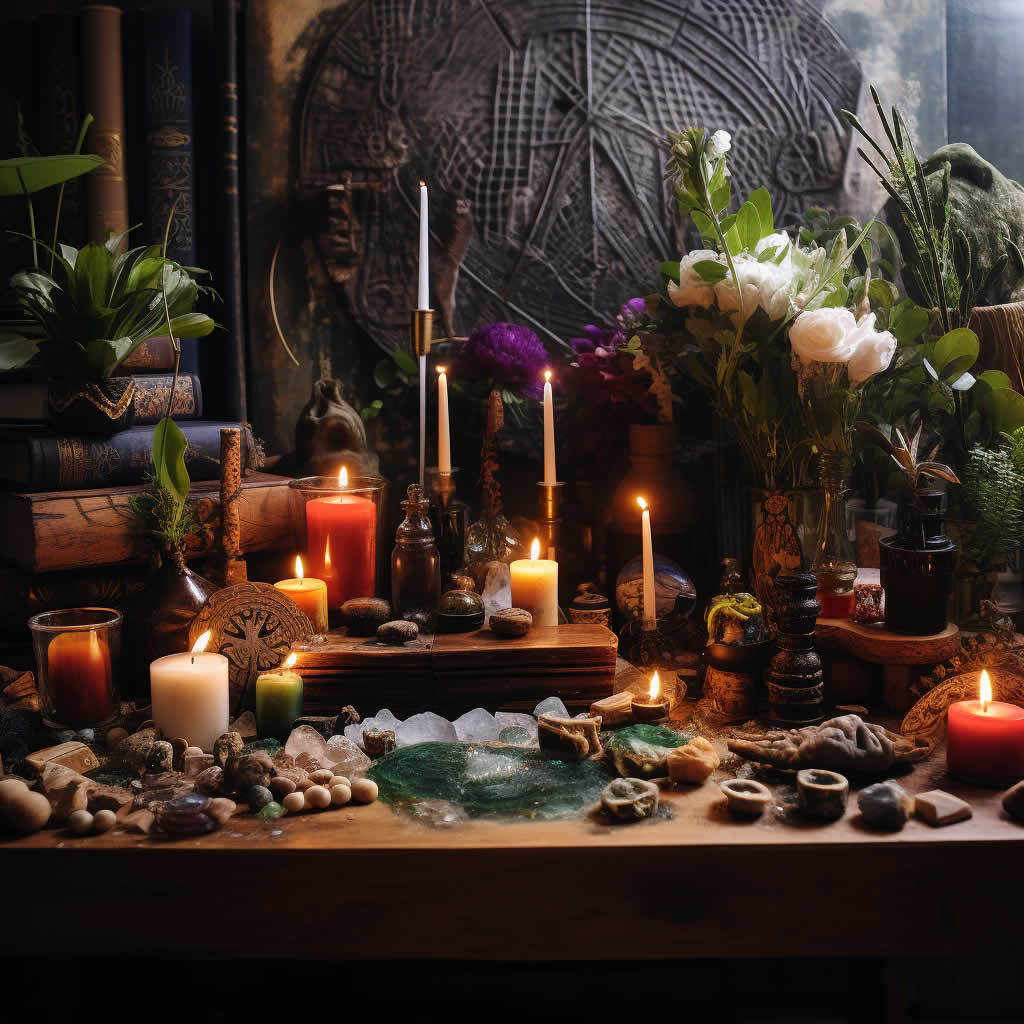
An altar is a focal point. It holds objects that symbolize meaning, connection, and remembrance. It does not need to follow a religious template unless you want it to.
Altars can be spiritual, cultural, ancestral, seasonal, or personal. The common thread is symbolism.
Choosing a Surface
Use something stable and easy to clean. Small tables, shelves, stools, or trays work well. Height matters less than accessibility.
If the altar is temporary, a tray allows you to move it easily. If it is permanent, choose a surface that feels anchored.
Core Altar Elements
Most altars include a few basic categories. You do not need all of them.
A Central Symbol
This represents the heart of your intention. It could be:
- A statue or icon
- A meaningful object from nature
- A photo of ancestors or loved ones
- A written word or symbol
Keep this object visually central.
The Four Elements (Optional)
Many people like to include representations of earth, air, fire, and water.
- Earth: stones, crystals, soil, plants
- Air: incense, feathers, bells
- Fire: candles
- Water: a bowl or cup
These elements help create balance and sensory engagement.
Personal Objects
Add items that carry emotional or spiritual weight. These might include jewelry, letters, or objects from important life events.
If an item feels heavy or distracting, remove it. Your altar should support clarity, not overwhelm.
Working With Candles in a Sacred Space
Why Candles Matter
Candles represent presence and attention. Lighting a candle marks a transition from ordinary time to intentional time.
The flame provides a visual anchor. Watching it can calm the nervous system and deepen focus.
Choosing the Right Candles
Simple candles work best. White is versatile and symbolically neutral. Colored candles can add meaning if that resonates with you.
Beeswax and soy candles burn cleaner than paraffin. If scent distracts you, choose unscented candles.
Avoid using candles that carry stressful associations, such as emergency or utility candles.
Candle Safety Basics
Never leave a burning candle unattended. Place candles on heat-resistant surfaces. Keep them away from fabric, paper, and drafts.
If open flame is not safe in your home, battery-powered candles are a valid alternative. Intention matters more than the tool.
Using Candles as Ritual Markers
You can light a candle to:
- Begin meditation
- Open or close prayer
- Mark grief or remembrance
- Set daily intentions
Extinguish the candle mindfully rather than rushing. This reinforces closure.
Smudging and Smoke Cleansing: A Grounded Approach
Understanding Smudging vs. Smoke Cleansing
Smudging is a specific Indigenous ceremonial practice. If you are not part of those traditions, it is more accurate to use the term smoke cleansing.
Smoke cleansing is used to refresh the energy of a space and mark transitions.
Common Herbs and Materials
Different plants have different cultural histories. Learn before you use them.
- White sage: Traditionally Indigenous and sacred. Use respectfully and sparingly.
- Palo santo: Culturally significant and often overharvested. Source ethically if used.
- Cedar: Common in many traditions. Grounding and protective.
- Lavender: Calming and widely accessible.
- Incense: An alternative that produces consistent smoke with less preparation.
If smoke bothers your lungs, skip this step. Sacred spaces do not require smoke.
How to Practice Smoke Cleansing Safely
Open a window or door. Light the herb or incense until it smolders. Gently guide the smoke around your space using your hand or a fan.
Move slowly. Focus on corners and doorways if that feels right.
As you cleanse, hold a clear intention. For example, releasing stagnant energy or inviting calm.
Extinguish fully when finished.
Using Sound to Support Sacred Space Energy
Sound is often overlooked. It can shift energy quickly and effectively.
Simple Sound Tools
- Bells
- Singing bowls
- Chimes
- Drums
- Clapping
Even your voice counts. Humming or chanting can ground you deeply.
When to Use Sound
Use sound to open or close your sacred time. It helps signal transitions. It can also clear mental fog if you feel distracted.
One or two gentle sounds are enough. This is not about volume.
Incorporating Natural Elements Thoughtfully
Nature grounds sacred space. It reminds you of cycles, growth, and impermanence.
Plants
Living plants bring oxygen and life. Choose plants that fit the light conditions and your care capacity.
If plants stress you out, skip them. Dried herbs or stones work just as well.
Stones and Crystals
Stones add weight and stability. If you work with crystals, learn their properties from reliable sources. Avoid treating them as magical fixes.
Clean stones occasionally with water or sunlight if appropriate.
Water
A small bowl of water symbolizes flow and emotion. Change it regularly. Stagnant water affects the feeling of the space.
Keeping the Space Clean and Energetically Clear
Physical Maintenance
Dust regularly. Remove clutter. Replace burned-out candles. Physical mess affects mental clarity.
Do not let the altar become a dumping ground for random objects.
Energetic Maintenance
Refresh the space when it feels heavy. This might include:
- Opening windows
- Using sound
- Rearranging objects
- Reaffirming intention
Trust your perception. If something feels off, adjust it.
How Often to Use Your Sacred Space
Consistency matters more than duration. Five minutes daily can be more powerful than an hour once a month.
Some people visit their space every morning. Others come only during stress or transition.
There is no correct schedule. The space exists to support you, not pressure you.
Adapting Your Sacred Space Over Time
Life changes. Your sacred space should change too.
Seasonal shifts, grief, healing, or growth may call for new symbols. Remove what no longer fits.
Temporary altars can mark specific periods. Permanent ones can anchor long-term practice.
Nothing needs to stay forever.

Sacred Spaces in Shared or Small Homes
You can create sacred space even if you share your home.
Use portable altars. Store items respectfully when not in use. Set boundaries through routine rather than territory.
Communicate with others if needed. You do not have to explain your beliefs to ask for respect.
Even a single candle lit with intention can become a sacred moment.
Common Mistakes to Avoid
- Overloading the altar with too many objects
- Copying someone else’s setup without meaning
- Ignoring safety with candles or smoke
- Treating the space as decoration only
- Feeling guilty for not using it “enough”
Sacred space is a relationship. It grows through use, not perfection.
Bringing Sacredness Into Daily Life
Your sacred space does not end at the altar. Over time, the calm you cultivate there can follow you.
You may notice more mindful pauses. You may respond rather than react. These shifts matter.
The space is a teacher, not a container.
Final Thoughts
Creating a sacred space at home is an act of self-respect. It says that reflection, healing, and meaning deserve room in your life.
You do not need special tools. You need intention, attention, and care.
Start small. Stay honest. Let the space support who you are now, not who you think you should be.
View our Live Telephone Psychic Readers
Images by Carl Burness
SHARE THIS POST WITH YOUR FRIENDS:
Read further posts:
Jun. 08, 2026
How to Track Moon Phases for Personal Transformation

Jun. 04, 2026
Daily Energy Protection Practices for Highly Sensitive People

May. 26, 2026
Working with Spirit Animals: Meaning and Connection
May. 20, 2026
How to Create Your Own Personalized Tarot Spreads

May. 13, 2026
The Role of the Subconscious in Psychic Development

May. 05, 2026
How to Clear Your Aura After Challenging Interactions
Apr. 29, 2026
Tarot and Seasonal Rituals: Aligning Readings with the Earth Cycle

Apr. 21, 2026
The Difference Between Intuition and Ego: How to Tell Them Apart

Apr. 14, 2026
How to Develop Clairaudience (Psychic Hearing): Signs & Exercises

Apr. 07, 2026
How to Read Tarot for Children or Teens

Apr. 01, 2026
How to Recognise and Interpret Synchronicities in Daily Life

Mar. 24, 2026
Late-Night Psychic Phone Readings for Australians Who Need Guidance Now

Mar. 14, 2026
Why Australians Are Choosing UK Psychic Phone Readings for Spiritual Guidance

Mar. 11, 2026
Understanding and Using Sacred Geometry in Healing
Mar. 02, 2026
Using Tarot for Emotional Healing After Trauma

Feb. 23, 2026
Shadow Work for Spiritual Growth: A Step-by-Step Guide

Feb. 17, 2026
Signs from Loved Ones Who’ve Passed On: What to Look for

Feb. 10, 2026
Manifesting Love: How to Use New Age Tools—Tarot, Crystals, Affirmations

Feb. 03, 2026
Mindful Eating & Spirituality: Does What You Eat Affect Your Energy?

Jan. 28, 2026
How Psychic Readings Can Help in Business & Career Decisions

Jan. 20, 2026
How Psychic Readings Can Help with Grief

Jan. 13, 2026
How to Use Tarot Spreads: Daily, Weekly & Special Purposes

Jan. 06, 2026
Spiritual Significance of Dreams: Lucid Dreaming, Nightmares, and Recurring Dreams
Dec. 30, 2025
How to Create a Sacred Space at Home: Altars, Smudging, Candles, and More

Dec. 19, 2025
A Wellbeing guide for enjoying Christmas

Dec. 16, 2025
Using Colour & Journalling for Spiritual Growth

Dec. 09, 2025
Signs of Psychic Intuition: How to Recognize Yours

Dec. 03, 2025
What to Ask During a Psychic Reading: 10 Good Questions

Nov. 26, 2025
How to Connect with Your Spirit Guides or Angels

Nov. 18, 2025
Understanding Energy Healing: Chakras, Auras, Reiki, and More
Nov. 12, 2025
Using Aromatherapy Oils to Reduce Stress & Anxiety

Nov. 06, 2025
How Crystals Can Support Emotional Wellbeing: Science or Spirituality?

Oct. 29, 2025
Sound Healing: Using Singing Bowls, Drums & Music for Relaxation

Oct. 23, 2025
Spiritual Tools Every New Age Beginner Should Own

Oct. 14, 2025
How to Use Dreamcatchers & Wind Chimes to Improve Sleep & Energy

Oct. 08, 2025
How to Use Incense and Smudge Sticks for Space Cleansing

Sep. 30, 2025
Moon Rituals: How to Use the New Moon and Full Moon to Reset

Sep. 25, 2025
A Beginner’s Guide to Astrology: Sun, Moon & Rising Signs
Sep. 16, 2025
Tarot Cards 101: Meaning of Major & Minor Arcana

Sep. 10, 2025
The Power of Gratitude in Elevating Your Energy and Awareness

Sep. 01, 2025
Understanding the Role of the Ego in Your Spiritual Path

Aug. 26, 2025
How to Work With Crystals for Emotional and Spiritual Wellness

Aug. 19, 2025
Balancing the Chakras: A Practical Guide for Beginners
Aug. 13, 2025
How to Create a Sacred Space at Home for Daily Reflection | Simple Steps for Peace & Mindfulness

Aug. 05, 2025
Beginner’s Guide to Meditation for Spiritual Growth

Jul. 29, 2025
Yoga as a Spiritual Practice: More Than Just Flexibility

Jul. 23, 2025
The Role of Nutrition in Spiritual Clarity and Energy
Jul. 17, 2025
How to Create a Daily Wellness Routine That Feeds the Soul

Jul. 11, 2025
The Connection Between Mindfulness and Physical Health

Jul. 03, 2025
Signs You’re Experiencing a Spiritual Awakening

Jun. 25, 2025
Are You an Empath? 7 Psychic Signs You Might Be an Empath

Jun. 18, 2025
Psychic Readings vs. Tarot Cards: What’s the Difference?

Jun. 11, 2025
How a Psychic Reading Can Help You Heal After a Breakup

Jun. 04, 2025
Can a Psychic Help You Find Your Soulmate?

May. 28, 2025
The Most Common Love Questions People Ask Psychics

May. 20, 2025
What Your Favorite Color Reveals About Your Aura

May. 14, 2025
The Spiritual Meaning Behind Recurring Dreams

May. 07, 2025
What Your Love Life Says About Your Energy Field

Apr. 28, 2025
Should You Ask a Psychic About Your Ex?

Apr. 22, 2025
Top 7 Benefits of Getting a Psychic Reading by Phone

Apr. 16, 2025
Lifestyle and Health

Apr. 08, 2025
What to Expect During Your First Psychic Phone Reading

Apr. 01, 2025
Mindfulness for Beginners: A Step-by-Step Guide to Living in the Present
Mar. 25, 2025
Using Essential Oils for Emotional and Spiritual Well-Being

Mar. 19, 2025
Understanding Karma: How Your Actions Shape Your Spiritual Path

Mar. 10, 2025
The Role of Mercury Retrograde in Personal Transformation

Mar. 03, 2025
How Meditation Can Help You Manifest Your Dreams

Feb. 24, 2025
Astrology for Healing: How the Planets Influence Your Energy

Feb. 18, 2025
Energy Healing Explained: What Is Reiki and How Does It Work?
Feb. 10, 2025
Breaking Through Limiting Beliefs: A Spiritual Approach to Self-Healing

Feb. 03, 2025
The Magic of Sacred Plants: Spiritual Benefits of Herbal Teas and Remedies

Jan. 29, 2025
Stargazing for the Soul: Finding Inspiration in the Night Sky

Jan. 21, 2025
The Science of Synchronicity: How to Recognize Spiritual Signs in Everyday Life

Jan. 17, 2025
Channeling and Spirit Guides: How to Connect with Higher Wisdom

Jan. 14, 2025
Soulmates and Twin Flames: How to Recognize Spiritual Connections

Jan. 09, 2025
The Spiritual Lessons of the Seasons: Finding Balance in Change

Jan. 06, 2025
How to Align Your Chakras for Balance and Harmony

Jan. 02, 2025
Awakening Your Higher Self: 7 Practices to Raise Your Vibrational Energy

Dec. 29, 2024
The Law of Attraction Explained: How to Manifest Your Ideal Life

Dec. 20, 2024
Harnessing the Power of the Moon for Personal Growth

Dec. 18, 2024
The Art of Journaling for Spiritual Growth: 5 Techniques to Deepen Your Practice

Dec. 15, 2024
How to Perform a Full Moon Ritual for Releasing Negativity

Dec. 12, 2024
Sacred Smudging: How to Cleanse Your Space with Sage and Palo Santo

Dec. 09, 2024
The Power of Affirmations: Transform Your Life with Positive Energy

Dec. 05, 2024
Sacred Spaces: Creating a Meditation Room at Home

Dec. 03, 2024
Grounding Techniques: How to Connect with Earth Energy Daily

Nov. 29, 2024
The Healing Power of Sound: Exploring Singing Bowls and Mantras

Nov. 26, 2024
Forest Bathing: Reconnecting with Nature for Spiritual Healing

Nov. 23, 2024
The Spiritual Meaning of a Morning Ritual: How to Start Your Day with Purpose

Nov. 19, 2024
Psychic Guides and Personal Transformation: From Doubt to Belief

Nov. 13, 2024
Psychic Guides and the Power of Gratitude: Cultivating Positivity
Nov. 09, 2024
Timing with Tarot: Using Tarot to Predict Timelines and Events
Nov. 04, 2024
Tarot and Dream Interpretation: Using Tarot to Decipher Dream Symbols

Oct. 30, 2024
Tarot and the Chakras: Combining Tarot with Chakra Energy Work

Oct. 25, 2024
Tarot Ethics: Guidelines for Ethical Tarot Reading and Consulting

Oct. 22, 2024
Tarot Rituals: Incorporating Tarot into Meditation and Spiritual Practices
Oct. 03, 2024
Reversed Cards: Interpreting Reversed or Inverted Tarot Cards

Sep. 30, 2024
Symbolism in Tarot: Analyzing Symbols, Colors, and Imagery in Cards

Sep. 27, 2024
Understanding Dream Interpretation Through Psychic Readings

Sep. 24, 2024
Can Psychic Readings Help You Make Career Decisions?

Sep. 22, 2024
How Psychic Readings Can Help You Find Love and Improve Relationships

Sep. 18, 2024
How Psychic Readings Can Offer Guidance During Difficult Times

Sep. 15, 2024
Why Energy Readings Can Help You Clear Blocks and Move Forward

Sep. 11, 2024
Psychic Guides and Empathy: Nurturing Your Empathic Abilities

Sep. 08, 2024
Mindfulness and Meditation: Benefits, Techniques, and How to Get Started with Mindfulness and Meditation Practices

Sep. 02, 2024
Positive Psychology: Techniques for Fostering a Positive Mindset and Increasing Happiness

Aug. 28, 2024
Psychic Guides and Psychic Mediums: Bridging the Spiritual Gap

Aug. 20, 2024
Building a Support Network: Importance of Having a Strong Social Support System and Tips for Building One

Aug. 13, 2024
Self-Care Routines: Ideas for Incorporating Self-Care into Daily Life

Aug. 07, 2024
Psychic Mediumship: Connecting with Loved Ones on the Other Side

Aug. 02, 2024
Psychic Predictions: What to Expect and How to Interpret Them

Jul. 30, 2024
Psychic Readings for Career Guidance: Finding Your True Calling

Jul. 25, 2024
Building Resilience: How to Develop Resilience and Cope with Life’s Challenges

Jul. 22, 2024
Dream Interpretation: Unveiling the Messages from Your Subconscious

Jul. 18, 2024
The History of Psychic Readings: From Ancient Times to Modern Practices

Jul. 16, 2024
Psychic Development: Cultivating Your Intuition

Jul. 12, 2024
Nature and Wellbeing: The Benefits of Spending Time in Nature and How to Incorporate It into Daily Life

Jul. 09, 2024
Managing Anxiety and Stress: Tips and Techniques for Coping with Anxiety and Stress, Especially in the Workplace or During Major Life Changes

Jul. 05, 2024
Psychic Guides and The Akashic Records: Accessing Your Soul’s History

Jun. 29, 2024