





0
In Cart
The Healing Power of Sound: Exploring Singing Bowls and Mantras

Sound has been a central part of human existence for millennia. It transcends culture, geography, and time, resonating deeply within the human spirit. Among the many tools harnessing the transformative power of sound are singing bowls and mantras. These ancient practices are experiencing a modern revival as more people turn to sound therapy for relaxation, healing, and spiritual growth.
What Are Singing Bowls?
Origins and History
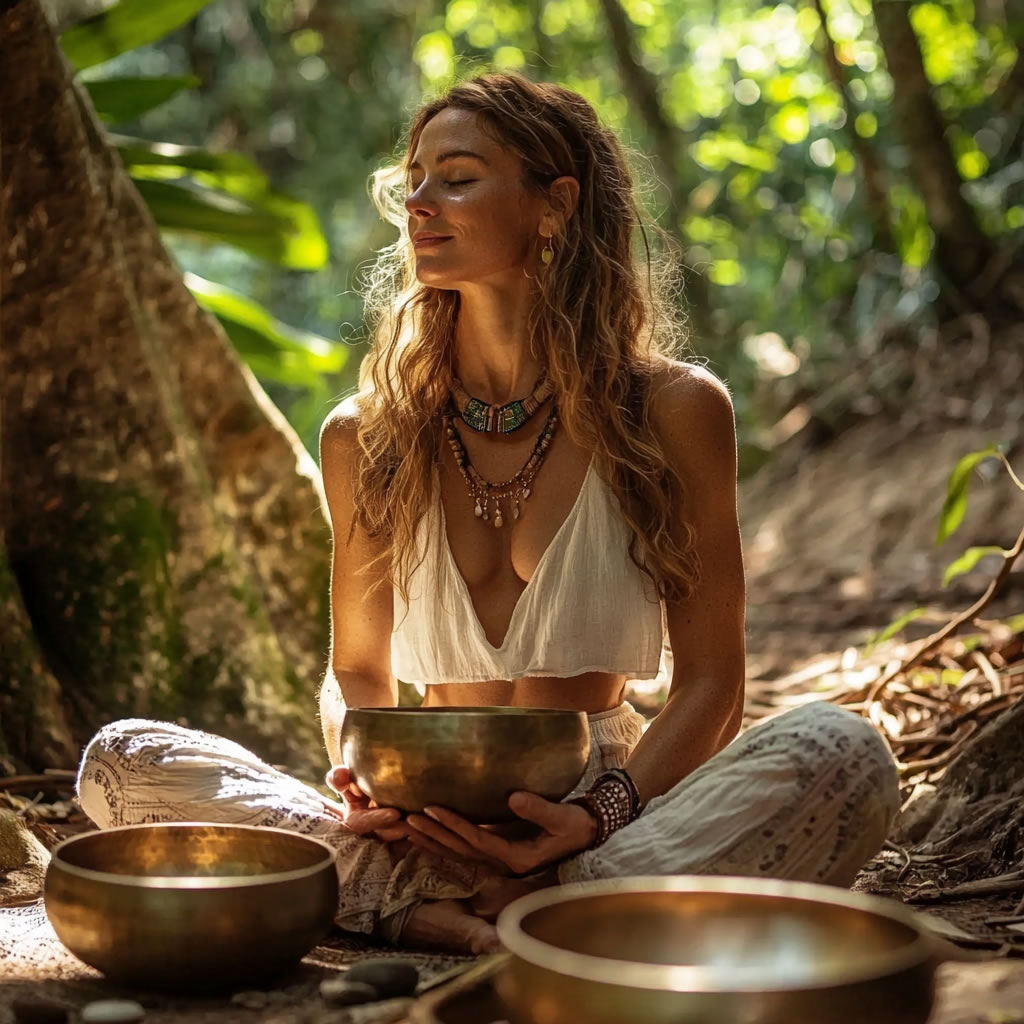
Singing bowls, often called Tibetan singing bowls, date back over 2,500 years. They were historically used in Himalayan regions, particularly in Nepal, Bhutan, and Tibet, for meditation and spiritual rituals. Made from a blend of metals, typically including copper, tin, and sometimes gold or silver, these bowls are as much instruments as they are symbols of spiritual practice.
How Do Singing Bowls Work?
The unique vibrations of singing bowls are produced by striking or circling the rim with a mallet. These vibrations create a harmonic resonance that is believed to influence the body’s energy centers, also known as chakras.
Scientific studies have shown that sound frequencies can affect the brain. Singing bowls often operate at frequencies that encourage theta brainwaves, which are associated with deep relaxation and meditation.
Benefits of Singing Bowls
The healing effects of singing bowls include:
- Stress Reduction: The soothing sounds help quiet mental chatter and reduce stress hormones like cortisol.
- Improved Focus: The steady tones guide your mind into a state of heightened concentration.
- Pain Relief: Studies suggest that sound vibrations can reduce the perception of pain by shifting the brain’s focus and relaxing muscles.
- Enhanced Meditation: The harmonic tones make it easier to enter a meditative state, even for beginners.
One study published in The Journal of Evidence-Based Complementary & Alternative Medicine found that listening to singing bowls significantly reduced anxiety levels in participants.
What Are Mantras?
Understanding Mantras
A mantra is a word, phrase, or sound repeated during meditation or prayer. It originates from Sanskrit, where “man” means mind and “tra” means tool or instrument. Essentially, a mantra is a tool to focus and calm the mind.
Mantras can be vocalized, whispered, or silently repeated. They are often tied to spiritual traditions, but their use extends beyond religious contexts to encompass wellness and mindfulness.
The Science Behind Mantras
When you chant or listen to a mantra, the rhythmic repetition influences your brainwaves. The process activates the vagus nerve, promoting relaxation and reducing inflammation in the body. Additionally, chanting mantras synchronizes your breathing, further calming your nervous system.
Mantras like “Om” or “So Hum” vibrate at specific frequencies believed to align with universal energies. This alignment may have a grounding effect, fostering inner peace and stability.
Benefits of Mantras
- Reduced Stress: Repeating mantras has been shown to decrease activity in the amygdala, the brain’s stress center.
- Better Focus: The repetitive nature of mantras helps eliminate distractions, sharpening mental clarity.
- Emotional Balance: Chanting can foster feelings of compassion and self-acceptance.
- Enhanced Sleep: Mantras encourage relaxation, making it easier to fall into restful sleep.
How Singing Bowls and Mantras Complement Each Other
Singing bowls and mantras share a deep connection. Together, they amplify the healing power of sound. Singing bowls set the stage by creating an atmosphere of tranquility. When paired with mantra chanting, the vibrations of the bowls harmonize with your voice, enhancing the overall experience.
For example, chanting “Om” while playing a singing bowl tuned to the same frequency can create a profound resonance. This synergy can deepen meditation, balance energy centers, and heighten self-awareness.
Practical Applications of Singing Bowls and Mantras
Meditation and Mindfulness Practices
Both tools are staples in meditation. Use a singing bowl to mark the beginning and end of a session, or play it continuously to maintain focus. Pair it with a mantra for a dual-layered approach to calming your mind.
Energy Healing and Chakra Balancing
Many practitioners believe singing bowls correspond to specific chakras. For instance, a bowl tuned to a G-note might align with the throat chakra. Chanting related mantras, such as “Ham” for the throat chakra, while playing the corresponding bowl enhances the effect.
Yoga Practice
Incorporating singing bowls or mantras into yoga sessions can deepen the connection between mind and body. Start with a mantra to center yourself, and conclude with a singing bowl to seal in the practice.
Stress Relief Sessions
Even a short five-minute session with a singing bowl or mantra can reset your mood. Use it during breaks to recharge and refocus.
The Science of Sound Healing
Vibrational Frequencies and the Body
Every cell in your body vibrates at a specific frequency. When exposed to harmonious frequencies, such as those produced by singing bowls, your body’s vibrations can realign. This principle, called entrainment, is why sound therapy can be so effective.
In a study published in Sound Healing Research Foundation, participants reported a 60% improvement in mood after just one sound healing session. The study highlighted how specific tones stimulate the parasympathetic nervous system, promoting relaxation and healing.
Brainwave Synchronization
Singing bowls and mantra chanting influence brainwave activity. As you engage with these sounds, your brain transitions from beta waves (active thinking) to alpha and theta waves (relaxed states). This transition can help alleviate anxiety, improve memory, and boost creativity.
Cellular Regeneration
Some researchers theorize that sound vibrations may stimulate cellular repair. While this is still an emerging field, early evidence suggests sound waves can positively influence cell behavior, especially in promoting relaxation and reducing tension.
Tips for Beginners
Choosing a Singing Bowl
When selecting a singing bowl, consider its size and tone. Larger bowls produce deeper, grounding tones, while smaller bowls offer higher-pitched sounds suitable for uplifting energy. Test several bowls, and choose one that resonates with you.
Starting With Mantras
If you’re new to mantras, start simple. “Om” is a universal mantra that anyone can practice. Focus on matching your breath to the rhythm of the chant.
Creating a Routine
Set aside a dedicated time each day for sound healing. Even 10 minutes can make a noticeable difference. Experiment with different combinations of singing bowls and mantras to find what works best for you.
Incorporating Sound Healing Into Daily Life
Morning Rituals
Begin your day with a short mantra or a few minutes of playing a singing bowl. This helps set a positive tone for the hours ahead.
Work Breaks
Use singing bowls or mantra chanting as a midday reset. It’s especially helpful during stressful workdays.
Evening Wind-Down
End your day with a longer session, combining both tools. The calming vibrations can prepare your body and mind for restful sleep.
Potential Challenges and How to Overcome Them
Difficulty in Staying Focused
It’s normal for your mind to wander during sound healing practices. If this happens, gently return your focus to the sound or mantra.
Finding the Right Tools
If you’re unsure about purchasing a singing bowl, start with online resources or apps that simulate bowl sounds. This allows you to explore before committing.
Cultural Sensitivity
Both singing bowls and mantras have deep cultural roots. Approach these practices with respect and learn about their origins to honor their traditions.
Conclusion
The healing power of sound is undeniable, and singing bowls and mantras are two of the most accessible ways to tap into its benefits. Whether you’re seeking stress relief, improved focus, or deeper spiritual connection, these ancient tools offer a pathway to harmony and well-being.
Start small, stay consistent, and let the vibrations guide you toward inner peace. The journey into sound healing is as rewarding as the destination.
View our Live Telephone Psychic Readers
Images by Carl Burness
SHARE THIS POST WITH YOUR FRIENDS:
Read further posts:

Jun. 30, 2026
How to Talk to Kids About Intuition and Inner Knowing

Jun. 24, 2026
The Language of Symbols in Healing and Dreams

Jun. 15, 2026
Healing from Burnout Using Spiritual Frameworks
Jun. 08, 2026
How to Track Moon Phases for Personal Transformation

Jun. 04, 2026
Daily Energy Protection Practices for Highly Sensitive People

May. 26, 2026
Working with Spirit Animals: Meaning and Connection

May. 20, 2026
How to Create Your Own Personalized Tarot Spreads

May. 13, 2026
The Role of the Subconscious in Psychic Development

May. 05, 2026
How to Clear Your Aura After Challenging Interactions
Apr. 29, 2026
Tarot and Seasonal Rituals: Aligning Readings with the Earth Cycle

Apr. 21, 2026
The Difference Between Intuition and Ego: How to Tell Them Apart
Apr. 14, 2026
How to Develop Clairaudience (Psychic Hearing): Signs & Exercises

Apr. 07, 2026
How to Read Tarot for Children or Teens

Apr. 01, 2026
How to Recognise and Interpret Synchronicities in Daily Life

Mar. 24, 2026
Late-Night Psychic Phone Readings for Australians Who Need Guidance Now

Mar. 14, 2026
Why Australians Are Choosing UK Psychic Phone Readings for Spiritual Guidance
Mar. 11, 2026
Understanding and Using Sacred Geometry in Healing
Mar. 02, 2026
Using Tarot for Emotional Healing After Trauma

Feb. 23, 2026
Shadow Work for Spiritual Growth: A Step-by-Step Guide

Feb. 17, 2026
Signs from Loved Ones Who’ve Passed On: What to Look for

Feb. 10, 2026
Manifesting Love: How to Use New Age Tools—Tarot, Crystals, Affirmations

Feb. 03, 2026
Mindful Eating & Spirituality: Does What You Eat Affect Your Energy?

Jan. 28, 2026
How Psychic Readings Can Help in Business & Career Decisions

Jan. 20, 2026
How Psychic Readings Can Help with Grief
Jan. 13, 2026
How to Use Tarot Spreads: Daily, Weekly & Special Purposes

Jan. 06, 2026
Spiritual Significance of Dreams: Lucid Dreaming, Nightmares, and Recurring Dreams

Dec. 30, 2025
How to Create a Sacred Space at Home: Altars, Smudging, Candles, and More

Dec. 19, 2025
A Wellbeing guide for enjoying Christmas

Dec. 16, 2025
Using Colour & Journalling for Spiritual Growth

Dec. 09, 2025
Signs of Psychic Intuition: How to Recognize Yours

Dec. 03, 2025
What to Ask During a Psychic Reading: 10 Good Questions

Nov. 26, 2025
How to Connect with Your Spirit Guides or Angels
Nov. 18, 2025
Understanding Energy Healing: Chakras, Auras, Reiki, and More
Nov. 12, 2025
Using Aromatherapy Oils to Reduce Stress & Anxiety

Nov. 06, 2025
How Crystals Can Support Emotional Wellbeing: Science or Spirituality?

Oct. 29, 2025
Sound Healing: Using Singing Bowls, Drums & Music for Relaxation

Oct. 23, 2025
Spiritual Tools Every New Age Beginner Should Own

Oct. 14, 2025
How to Use Dreamcatchers & Wind Chimes to Improve Sleep & Energy

Oct. 08, 2025
How to Use Incense and Smudge Sticks for Space Cleansing

Sep. 30, 2025
Moon Rituals: How to Use the New Moon and Full Moon to Reset

Sep. 25, 2025
A Beginner’s Guide to Astrology: Sun, Moon & Rising Signs
Sep. 16, 2025
Tarot Cards 101: Meaning of Major & Minor Arcana

Sep. 10, 2025
The Power of Gratitude in Elevating Your Energy and Awareness

Sep. 01, 2025
Understanding the Role of the Ego in Your Spiritual Path

Aug. 26, 2025
How to Work With Crystals for Emotional and Spiritual Wellness

Aug. 19, 2025
Balancing the Chakras: A Practical Guide for Beginners

Aug. 13, 2025
How to Create a Sacred Space at Home for Daily Reflection | Simple Steps for Peace & Mindfulness

Aug. 05, 2025
Beginner’s Guide to Meditation for Spiritual Growth

Jul. 29, 2025
Yoga as a Spiritual Practice: More Than Just Flexibility

Jul. 23, 2025
The Role of Nutrition in Spiritual Clarity and Energy

Jul. 17, 2025
How to Create a Daily Wellness Routine That Feeds the Soul

Jul. 11, 2025
The Connection Between Mindfulness and Physical Health

Jul. 03, 2025
Signs You’re Experiencing a Spiritual Awakening

Jun. 25, 2025
Are You an Empath? 7 Psychic Signs You Might Be an Empath

Jun. 18, 2025
Psychic Readings vs. Tarot Cards: What’s the Difference?

Jun. 11, 2025
How a Psychic Reading Can Help You Heal After a Breakup

Jun. 04, 2025
Can a Psychic Help You Find Your Soulmate?
May. 28, 2025
The Most Common Love Questions People Ask Psychics

May. 20, 2025
What Your Favorite Color Reveals About Your Aura

May. 14, 2025
The Spiritual Meaning Behind Recurring Dreams

May. 07, 2025
What Your Love Life Says About Your Energy Field

Apr. 28, 2025
Should You Ask a Psychic About Your Ex?

Apr. 22, 2025
Top 7 Benefits of Getting a Psychic Reading by Phone

Apr. 16, 2025
Lifestyle and Health

Apr. 08, 2025
What to Expect During Your First Psychic Phone Reading

Apr. 01, 2025
Mindfulness for Beginners: A Step-by-Step Guide to Living in the Present
Mar. 25, 2025
Using Essential Oils for Emotional and Spiritual Well-Being

Mar. 19, 2025
Understanding Karma: How Your Actions Shape Your Spiritual Path

Mar. 10, 2025
The Role of Mercury Retrograde in Personal Transformation

Mar. 03, 2025
How Meditation Can Help You Manifest Your Dreams
Feb. 24, 2025
Astrology for Healing: How the Planets Influence Your Energy

Feb. 18, 2025
Energy Healing Explained: What Is Reiki and How Does It Work?

Feb. 10, 2025
Breaking Through Limiting Beliefs: A Spiritual Approach to Self-Healing

Feb. 03, 2025
The Magic of Sacred Plants: Spiritual Benefits of Herbal Teas and Remedies

Jan. 29, 2025
Stargazing for the Soul: Finding Inspiration in the Night Sky

Jan. 21, 2025
The Science of Synchronicity: How to Recognize Spiritual Signs in Everyday Life

Jan. 17, 2025
Channeling and Spirit Guides: How to Connect with Higher Wisdom

Jan. 14, 2025
Soulmates and Twin Flames: How to Recognize Spiritual Connections

Jan. 09, 2025
The Spiritual Lessons of the Seasons: Finding Balance in Change

Jan. 06, 2025
How to Align Your Chakras for Balance and Harmony

Jan. 02, 2025
Awakening Your Higher Self: 7 Practices to Raise Your Vibrational Energy

Dec. 29, 2024
The Law of Attraction Explained: How to Manifest Your Ideal Life

Dec. 20, 2024
Harnessing the Power of the Moon for Personal Growth

Dec. 18, 2024
The Art of Journaling for Spiritual Growth: 5 Techniques to Deepen Your Practice

Dec. 15, 2024
How to Perform a Full Moon Ritual for Releasing Negativity

Dec. 12, 2024
Sacred Smudging: How to Cleanse Your Space with Sage and Palo Santo

Dec. 09, 2024
The Power of Affirmations: Transform Your Life with Positive Energy

Dec. 05, 2024
Sacred Spaces: Creating a Meditation Room at Home

Dec. 03, 2024
Grounding Techniques: How to Connect with Earth Energy Daily
Nov. 29, 2024
The Healing Power of Sound: Exploring Singing Bowls and Mantras

Nov. 26, 2024
Forest Bathing: Reconnecting with Nature for Spiritual Healing

Nov. 23, 2024
The Spiritual Meaning of a Morning Ritual: How to Start Your Day with Purpose

Nov. 19, 2024
Psychic Guides and Personal Transformation: From Doubt to Belief

Nov. 13, 2024
Psychic Guides and the Power of Gratitude: Cultivating Positivity
Nov. 09, 2024
Timing with Tarot: Using Tarot to Predict Timelines and Events

Nov. 04, 2024
Tarot and Dream Interpretation: Using Tarot to Decipher Dream Symbols

Oct. 30, 2024
Tarot and the Chakras: Combining Tarot with Chakra Energy Work

Oct. 25, 2024
Tarot Ethics: Guidelines for Ethical Tarot Reading and Consulting

Oct. 22, 2024
Tarot Rituals: Incorporating Tarot into Meditation and Spiritual Practices
Oct. 03, 2024
Reversed Cards: Interpreting Reversed or Inverted Tarot Cards

Sep. 30, 2024
Symbolism in Tarot: Analyzing Symbols, Colors, and Imagery in Cards

Sep. 27, 2024
Understanding Dream Interpretation Through Psychic Readings

Sep. 24, 2024
Can Psychic Readings Help You Make Career Decisions?

Sep. 22, 2024
How Psychic Readings Can Help You Find Love and Improve Relationships

Sep. 18, 2024
How Psychic Readings Can Offer Guidance During Difficult Times

Sep. 15, 2024
Why Energy Readings Can Help You Clear Blocks and Move Forward

Sep. 11, 2024
Psychic Guides and Empathy: Nurturing Your Empathic Abilities

Sep. 08, 2024
Mindfulness and Meditation: Benefits, Techniques, and How to Get Started with Mindfulness and Meditation Practices

Sep. 02, 2024
Positive Psychology: Techniques for Fostering a Positive Mindset and Increasing Happiness

Aug. 28, 2024
Psychic Guides and Psychic Mediums: Bridging the Spiritual Gap

Aug. 20, 2024
Building a Support Network: Importance of Having a Strong Social Support System and Tips for Building One

Aug. 13, 2024
Self-Care Routines: Ideas for Incorporating Self-Care into Daily Life

Aug. 07, 2024
Psychic Mediumship: Connecting with Loved Ones on the Other Side

Aug. 02, 2024
Psychic Predictions: What to Expect and How to Interpret Them

Jul. 30, 2024
Psychic Readings for Career Guidance: Finding Your True Calling

Jul. 25, 2024
Building Resilience: How to Develop Resilience and Cope with Life’s Challenges

Jul. 22, 2024
Dream Interpretation: Unveiling the Messages from Your Subconscious

Jul. 18, 2024
The History of Psychic Readings: From Ancient Times to Modern Practices
Jul. 16, 2024
Psychic Development: Cultivating Your Intuition

Jul. 12, 2024