





0
In Cart
Reversed Cards: Interpreting Reversed or Inverted Tarot Cards
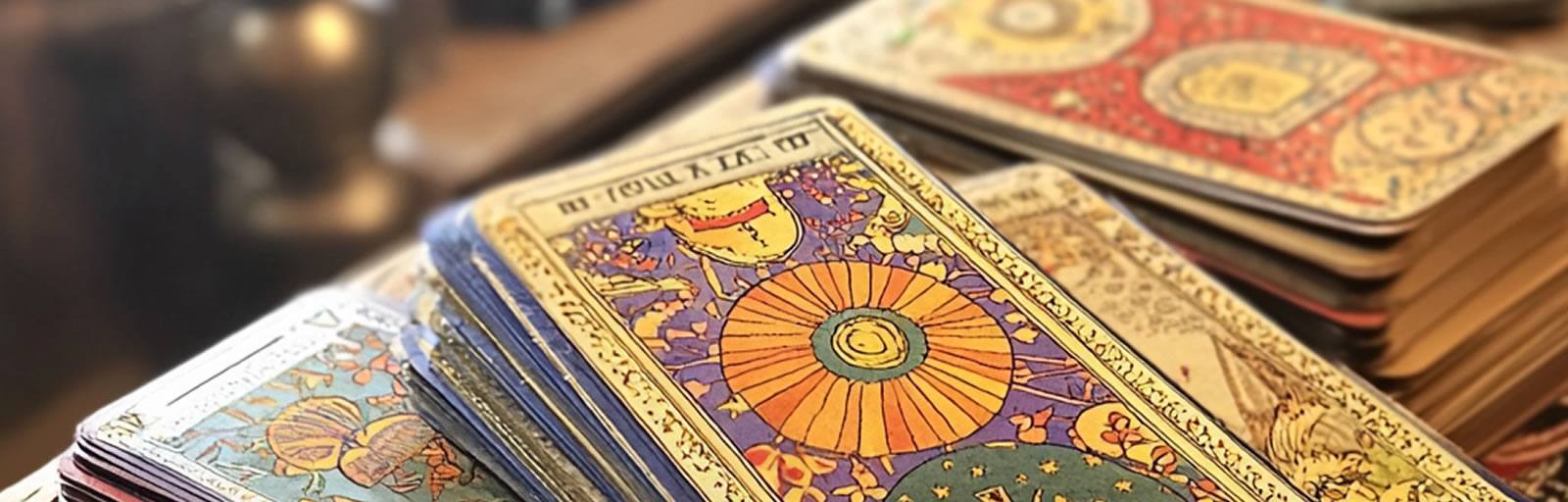
Interpreting Tarot cards is a journey that weaves symbolism, intuition, and personal growth. When a card appears reversed (or inverted) in a Tarot reading, it adds a layer of complexity to the interpretation. Reversed Tarot cards can represent a shift in meaning from their upright position and often indicate deeper, subtler, or more nuanced messages. Understanding reversed cards can enhance your readings, giving you a clearer picture of the situation at hand. Let’s dive into the various ways to interpret these mysterious cards and how they can enrich your Tarot practice.
What Does a Reversed Card Mean?
Reversed Tarot cards can mean different things depending on the context of the reading and the reader’s approach. Common interpretations include:
- Blockages or Delays: Reversed cards often suggest that energy is blocked or stalled in some way. For instance, a reversed card can point to delayed results, frustrations, or obstacles that prevent forward momentum. This is especially true with cards associated with progress, such as the Chariot or Eight of Wands.
- Internalization: Sometimes, a reversed card signals that the upright card’s energy is directed inward. Instead of expressing the card’s qualities outwardly, you may be dealing with internal challenges, emotions, or thoughts. For example, the Hermit reversed could suggest isolation or self-reflection that has turned into loneliness or withdrawal.
- Opposite Meaning: Some Tarot readers interpret reversed cards as having the opposite meaning of their upright version. For instance, the upright Fool might signify a new beginning, spontaneity, and innocence, while the reversed Fool could indicate recklessness, naivety, or hesitation.
- Weakening of the Upright Energy: Reversed cards can also suggest that the energy of the card is present but diminished. A reversed Strength card, for example, may indicate that you’re finding it difficult to tap into your inner strength and resilience.
- A Need for Change: Reversed cards can serve as gentle reminders that something in your life needs to be realigned. They may point to unresolved issues, unhealthy habits, or situations that require transformation. If the Death card appears reversed, it could signal that you are resisting necessary changes or clinging to outdated beliefs.
- Shadow Aspects: Often, reversed Tarot cards highlight shadow aspects of the archetypes they represent. These are traits or behaviors that you may not be consciously aware of but are influencing your current situation. For instance, a reversed Magician could indicate manipulation, deceit, or misuse of power.
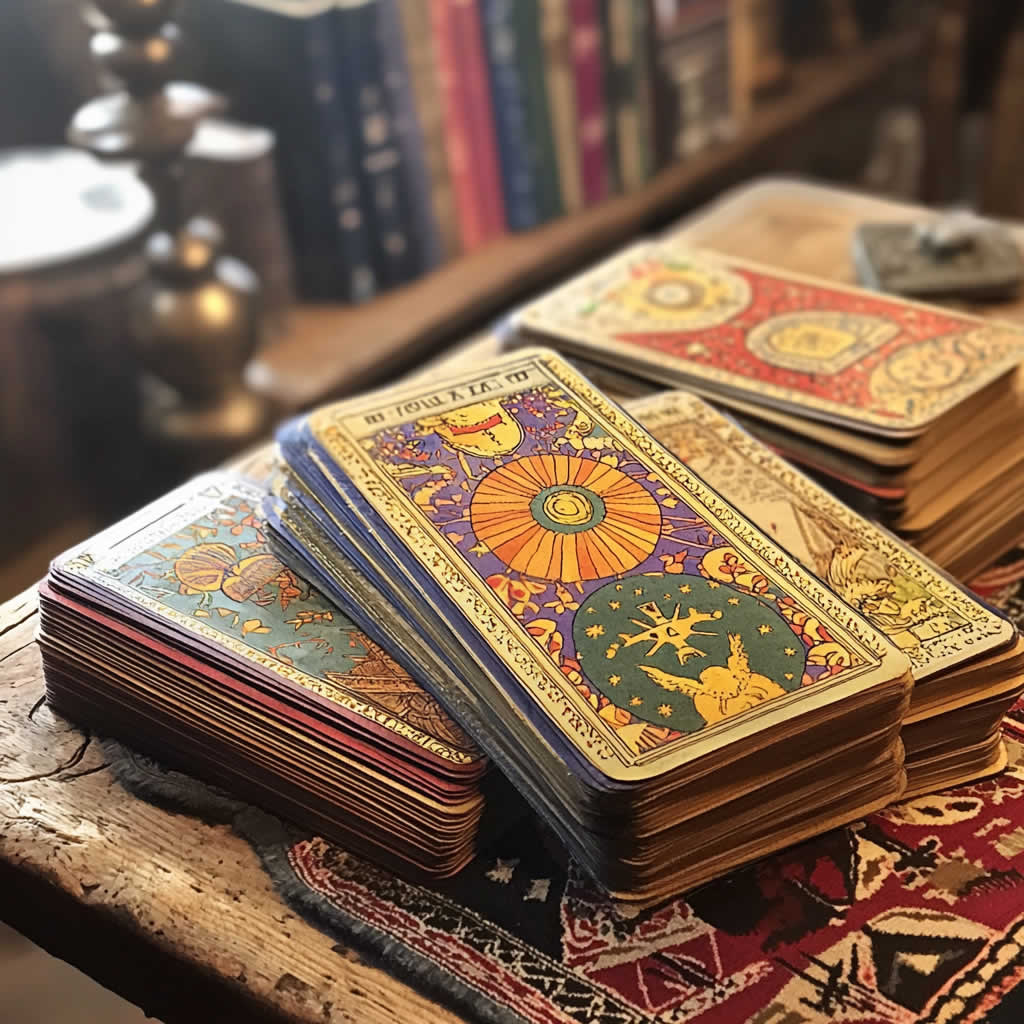
How to Approach Reversed Cards
The key to interpreting reversed Tarot cards is to be flexible and listen to your intuition. Not all reversed cards need to be viewed negatively. In fact, they can often offer valuable insights that upright cards might not. Here are some approaches to consider when reversed cards show up in your readings:
- Context is King: Always interpret reversed cards within the context of the overall reading. What other cards are present? What is the question being asked? The surrounding cards can shed light on the meaning of the reversed card and how it relates to the situation.
- Upright First: Some readers prefer to consider the upright meaning of the card first, even when it appears reversed. Once the upright meaning is clear, they then explore how the reversed position might alter or deepen that meaning.
- Ask for Clarification: If a reversed card’s message feels unclear, you can pull an additional card to clarify its meaning. This can help to contextualize the reversal and provide more insight into the situation.
- Keep an Open Mind: Don’t automatically assume that a reversed card indicates something negative. Sometimes, it can reveal a positive outcome that just requires more patience, inner work, or a change in perspective.
Examples of Reversed Cards in Practice
Let’s explore some specific examples of reversed cards and how their interpretations might differ from their upright meanings.
The Lovers (Reversed)
- Upright Meaning: Harmony, partnerships, love, choices.
- Reversed Meaning: Conflict, disharmony, difficult decisions, misaligned values.
When the Lovers appear reversed, it could indicate conflict or miscommunication within a relationship. You may be facing a choice where your heart and mind are at odds, or you might be struggling with commitment issues. Alternatively, it could signify that you’re out of alignment with your own values, causing tension within yourself.
The Tower (Reversed)
- Upright Meaning: Sudden change, upheaval, revelation.
- Reversed Meaning: Avoidance of disaster, resistance to change, prolonged instability.
A reversed Tower card might suggest that you’re avoiding a necessary upheaval or that you’re resisting inevitable change. While the upright Tower can represent sudden shocks, the reversed Tower often hints at a slow-burning crisis—something that you’re trying to hold onto despite knowing that it’s crumbling.
The Empress (Reversed)
- Upright Meaning: Fertility, nurturing, abundance, creation.
- Reversed Meaning: Creative block, smothering, neglect, dependence.
When the Empress appears reversed, it can point to feelings of creative stagnation or a lack of self-care. You might be neglecting your needs or struggling with feelings of inadequacy. It can also suggest being overly nurturing to the point of smothering, or dependency on others for emotional or financial support.
The Sun (Reversed)
- Upright Meaning: Joy, success, vitality, positivity.
- Reversed Meaning: Temporary setbacks, pessimism, diminished enthusiasm.
A reversed Sun card may indicate that while success is possible, there are temporary delays or obstacles in the way. It might also suggest that you’re focusing on the negatives, even when things are generally going well. You may need to adjust your perspective and allow more optimism into your life.
Reversed Court Cards
Reversed Court Cards (such as Kings, Queens, Knights, and Pages) often represent people in your life or aspects of yourself. When reversed, they might indicate problematic behaviors, difficulties with authority, or internal conflicts.
- Reversed Kings: A reversed King can signify misuse of power, rigidity, or being out of touch with one’s emotions. It might indicate someone who is controlling or a leader who has lost their way.
- Reversed Queens: Reversed Queens often reflect emotional instability, jealousy, or lack of self-care. They may represent someone who is overbearing, insecure, or withdrawn.
- Reversed Knights: Reversed Knights can signify impulsiveness, scattered energy, or lack of direction. A reversed Knight of Swords might represent reckless communication, while a reversed Knight of Cups could suggest emotional immaturity.
- Reversed Pages: Reversed Pages often point to inexperience, immaturity, or a lack of focus. They can also indicate messages or news that is delayed or unwelcome.
Reversed Major Arcana Cards
The Major Arcana cards represent significant life lessons and karmic influences. When these cards appear reversed, the impact is often profound. Let’s look at a few examples:
- The Fool Reversed: The Fool reversed may indicate that you’re hesitating to take a leap of faith, or you’re acting recklessly without considering the consequences.
- The Hierophant Reversed: This card might suggest rebellion against tradition, challenges with authority figures, or feeling constrained by societal expectations.
- The Star Reversed: A reversed Star card can represent feelings of hopelessness, disappointment, or a lack of faith. You might be going through a difficult time and struggling to find inspiration or hope.
Reversed Minor Arcana Cards
The Minor Arcana cards deal with day-to-day events and challenges. When reversed, these cards may point to difficulties in everyday life or a need for reflection. Here are a few examples:
- Ace of Pentacles Reversed: This card might indicate missed opportunities, financial instability, or poor planning. It could also suggest that you need to reassess your goals and resources.
- Three of Swords Reversed: Reversed, this card often points to healing after heartbreak or emotional pain. You may be in the process of moving on, but there is still some lingering hurt.
- Nine of Cups Reversed: A reversed Nine of Cups can suggest that you’re feeling unfulfilled or that something you hoped for hasn’t turned out as expected. It may be a sign to reassess what truly brings you happiness.
Using Reversed Cards to Guide Personal Growth
Reversed Tarot cards are not just a warning of difficulties—they can also be opportunities for personal growth. When reversed cards appear, they often invite you to reflect on your current path and make adjustments.
- Focus on the Message: Rather than fearing reversed cards, look at them as guides offering insight into areas where you may be stuck. They can encourage you to face challenges head-on, identify limiting beliefs, or explore parts of yourself that need attention.
- Shadow Work: Reversed cards are often associated with shadow work—the process of integrating and understanding the darker or unconscious parts of yourself. By exploring these shadow aspects, you can develop a deeper understanding of your motivations, fears, and desires.
- Empowerment Through Awareness: Awareness is the first step toward change. Reversed cards bring hidden issues to the surface, allowing you to address them and move forward with greater clarity. This can empower you to take control of your life and make informed decisions.
Should You Use Reversed Cards in Readings?
Some Tarot readers choose not to use reversed cards in their practice, preferring to work exclusively with upright cards. There’s no right or wrong way—whether or not you incorporate reversed cards is a matter of personal preference.
- Advantages of Using Reversed Cards: Reversed cards can offer additional depth to a reading, revealing obstacles, challenges, or internal dynamics that might not be apparent in upright cards alone. They can also provide more nuanced interpretations of situations, helping to pinpoint areas that require attention or growth.
- Challenges of Using Reversed Cards: Some readers find that using reversed cards can complicate their readings or make them feel more negative. If you find reversed cards overwhelming, you can always choose to read them intuitively, considering their potential influence without needing to rely on a strict interpretation.
Practical Tips for Reading Reversed Tarot Cards
- Don’t Rush the Interpretation: Take your time when interpreting reversed cards. Consider the card’s upright meaning first, then explore how the reversal might alter it. Trust your intuition and be open to multiple layers of meaning.
- Use Reversed Cards as Conversation Starters: Reversed cards can spark deeper discussions with your querent. If a reversed card appears, ask open-ended questions to encourage reflection. For example, if the High Priestess appears reversed, you might ask, “Is there an inner voice you’re ignoring right now?”
- Experiment with Reversals: If you’re new to using reversed cards, start by incorporating them slowly into your practice. Experiment with different methods of interpretation and observe how they influence your readings. Over time, you’ll develop your own approach to reversals that works best for you.
- Stay Flexible: Reversed cards are highly context-dependent, so stay flexible in your interpretations. What a reversed card means in one reading may not apply in another. Allow the flow of the reading to guide you and remain open to new insights.
Final Thoughts
Reversed Tarot cards are powerful tools for deepening your understanding of a reading. While they may seem daunting at first, they can offer valuable insights into blockages, challenges, and areas that require personal growth. By approaching them with an open mind and a willingness to explore their deeper meanings, you can unlock new layers of wisdom in your Tarot practice.
Remember, Tarot is an art, not a science. There are no hard and fast rules when it comes to interpreting reversed cards. Trust your intuition, remain flexible, and let the cards guide you on your journey of discovery and self-awareness.
View our Live Telephone Psychic Readers
Images by Carl Burness
SHARE THIS POST WITH YOUR FRIENDS:
Read further posts:

Jun. 30, 2026
How to Talk to Kids About Intuition and Inner Knowing

Jun. 24, 2026
The Language of Symbols in Healing and Dreams
Jun. 15, 2026
Healing from Burnout Using Spiritual Frameworks
Jun. 08, 2026
How to Track Moon Phases for Personal Transformation
Jun. 04, 2026
Daily Energy Protection Practices for Highly Sensitive People
May. 26, 2026
Working with Spirit Animals: Meaning and Connection
May. 20, 2026
How to Create Your Own Personalized Tarot Spreads
May. 13, 2026
The Role of the Subconscious in Psychic Development
May. 05, 2026
How to Clear Your Aura After Challenging Interactions
Apr. 29, 2026
Tarot and Seasonal Rituals: Aligning Readings with the Earth Cycle
Apr. 21, 2026
The Difference Between Intuition and Ego: How to Tell Them Apart
Apr. 14, 2026
How to Develop Clairaudience (Psychic Hearing): Signs & Exercises
Apr. 07, 2026
How to Read Tarot for Children or Teens
Apr. 01, 2026
How to Recognise and Interpret Synchronicities in Daily Life
Mar. 24, 2026
Late-Night Psychic Phone Readings for Australians Who Need Guidance Now
Mar. 14, 2026
Why Australians Are Choosing UK Psychic Phone Readings for Spiritual Guidance
Mar. 11, 2026
Understanding and Using Sacred Geometry in Healing
Mar. 02, 2026
Using Tarot for Emotional Healing After Trauma

Feb. 23, 2026
Shadow Work for Spiritual Growth: A Step-by-Step Guide
Feb. 17, 2026
Signs from Loved Ones Who’ve Passed On: What to Look for
Feb. 10, 2026
Manifesting Love: How to Use New Age Tools—Tarot, Crystals, Affirmations

Feb. 03, 2026
Mindful Eating & Spirituality: Does What You Eat Affect Your Energy?

Jan. 28, 2026
How Psychic Readings Can Help in Business & Career Decisions
Jan. 20, 2026
How Psychic Readings Can Help with Grief
Jan. 13, 2026
How to Use Tarot Spreads: Daily, Weekly & Special Purposes
Jan. 06, 2026
Spiritual Significance of Dreams: Lucid Dreaming, Nightmares, and Recurring Dreams
Dec. 30, 2025
How to Create a Sacred Space at Home: Altars, Smudging, Candles, and More
Dec. 19, 2025
A Wellbeing guide for enjoying Christmas
Dec. 16, 2025
Using Colour & Journalling for Spiritual Growth
Dec. 09, 2025
Signs of Psychic Intuition: How to Recognize Yours

Dec. 03, 2025
What to Ask During a Psychic Reading: 10 Good Questions
Nov. 26, 2025
How to Connect with Your Spirit Guides or Angels
Nov. 18, 2025
Understanding Energy Healing: Chakras, Auras, Reiki, and More

Nov. 12, 2025
Using Aromatherapy Oils to Reduce Stress & Anxiety

Nov. 06, 2025
How Crystals Can Support Emotional Wellbeing: Science or Spirituality?

Oct. 29, 2025
Sound Healing: Using Singing Bowls, Drums & Music for Relaxation
Oct. 23, 2025
Spiritual Tools Every New Age Beginner Should Own
Oct. 14, 2025
How to Use Dreamcatchers & Wind Chimes to Improve Sleep & Energy
Oct. 08, 2025
How to Use Incense and Smudge Sticks for Space Cleansing
Sep. 30, 2025
Moon Rituals: How to Use the New Moon and Full Moon to Reset
Sep. 25, 2025
A Beginner’s Guide to Astrology: Sun, Moon & Rising Signs
Sep. 16, 2025
Tarot Cards 101: Meaning of Major & Minor Arcana

Sep. 10, 2025
The Power of Gratitude in Elevating Your Energy and Awareness

Sep. 01, 2025
Understanding the Role of the Ego in Your Spiritual Path

Aug. 26, 2025
How to Work With Crystals for Emotional and Spiritual Wellness
Aug. 19, 2025
Balancing the Chakras: A Practical Guide for Beginners

Aug. 13, 2025
How to Create a Sacred Space at Home for Daily Reflection | Simple Steps for Peace & Mindfulness

Aug. 05, 2025
Beginner’s Guide to Meditation for Spiritual Growth
Jul. 29, 2025
Yoga as a Spiritual Practice: More Than Just Flexibility

Jul. 23, 2025
The Role of Nutrition in Spiritual Clarity and Energy

Jul. 17, 2025
How to Create a Daily Wellness Routine That Feeds the Soul

Jul. 11, 2025
The Connection Between Mindfulness and Physical Health
Jul. 03, 2025
Signs You’re Experiencing a Spiritual Awakening
Jun. 25, 2025
Are You an Empath? 7 Psychic Signs You Might Be an Empath
Jun. 18, 2025
Psychic Readings vs. Tarot Cards: What’s the Difference?

Jun. 11, 2025
How a Psychic Reading Can Help You Heal After a Breakup
Jun. 04, 2025
Can a Psychic Help You Find Your Soulmate?
May. 28, 2025
The Most Common Love Questions People Ask Psychics

May. 20, 2025
What Your Favorite Color Reveals About Your Aura

May. 14, 2025
The Spiritual Meaning Behind Recurring Dreams
May. 07, 2025
What Your Love Life Says About Your Energy Field

Apr. 28, 2025
Should You Ask a Psychic About Your Ex?

Apr. 22, 2025
Top 7 Benefits of Getting a Psychic Reading by Phone

Apr. 16, 2025
Lifestyle and Health

Apr. 08, 2025
What to Expect During Your First Psychic Phone Reading

Apr. 01, 2025
Mindfulness for Beginners: A Step-by-Step Guide to Living in the Present
Mar. 25, 2025
Using Essential Oils for Emotional and Spiritual Well-Being
Mar. 19, 2025
Understanding Karma: How Your Actions Shape Your Spiritual Path
Mar. 10, 2025
The Role of Mercury Retrograde in Personal Transformation

Mar. 03, 2025
How Meditation Can Help You Manifest Your Dreams
Feb. 24, 2025
Astrology for Healing: How the Planets Influence Your Energy
Feb. 18, 2025
Energy Healing Explained: What Is Reiki and How Does It Work?
Feb. 10, 2025
Breaking Through Limiting Beliefs: A Spiritual Approach to Self-Healing

Feb. 03, 2025
The Magic of Sacred Plants: Spiritual Benefits of Herbal Teas and Remedies

Jan. 29, 2025
Stargazing for the Soul: Finding Inspiration in the Night Sky

Jan. 21, 2025
The Science of Synchronicity: How to Recognize Spiritual Signs in Everyday Life
Jan. 17, 2025
Channeling and Spirit Guides: How to Connect with Higher Wisdom
Jan. 14, 2025
Soulmates and Twin Flames: How to Recognize Spiritual Connections

Jan. 09, 2025
The Spiritual Lessons of the Seasons: Finding Balance in Change
Jan. 06, 2025
How to Align Your Chakras for Balance and Harmony
Jan. 02, 2025
Awakening Your Higher Self: 7 Practices to Raise Your Vibrational Energy

Dec. 29, 2024
The Law of Attraction Explained: How to Manifest Your Ideal Life
Dec. 20, 2024
Harnessing the Power of the Moon for Personal Growth
Dec. 18, 2024
The Art of Journaling for Spiritual Growth: 5 Techniques to Deepen Your Practice
Dec. 15, 2024
How to Perform a Full Moon Ritual for Releasing Negativity

Dec. 12, 2024
Sacred Smudging: How to Cleanse Your Space with Sage and Palo Santo

Dec. 09, 2024
The Power of Affirmations: Transform Your Life with Positive Energy

Dec. 05, 2024
Sacred Spaces: Creating a Meditation Room at Home
Dec. 03, 2024
Grounding Techniques: How to Connect with Earth Energy Daily
Nov. 29, 2024
The Healing Power of Sound: Exploring Singing Bowls and Mantras

Nov. 26, 2024
Forest Bathing: Reconnecting with Nature for Spiritual Healing
Nov. 23, 2024
The Spiritual Meaning of a Morning Ritual: How to Start Your Day with Purpose
Nov. 19, 2024
Psychic Guides and Personal Transformation: From Doubt to Belief
Nov. 13, 2024
Psychic Guides and the Power of Gratitude: Cultivating Positivity
Nov. 09, 2024
Timing with Tarot: Using Tarot to Predict Timelines and Events
Nov. 04, 2024
Tarot and Dream Interpretation: Using Tarot to Decipher Dream Symbols
Oct. 30, 2024
Tarot and the Chakras: Combining Tarot with Chakra Energy Work
Oct. 25, 2024
Tarot Ethics: Guidelines for Ethical Tarot Reading and Consulting
Oct. 22, 2024
Tarot Rituals: Incorporating Tarot into Meditation and Spiritual Practices
Oct. 03, 2024
Reversed Cards: Interpreting Reversed or Inverted Tarot Cards
Sep. 30, 2024
Symbolism in Tarot: Analyzing Symbols, Colors, and Imagery in Cards
Sep. 27, 2024
Understanding Dream Interpretation Through Psychic Readings

Sep. 24, 2024
Can Psychic Readings Help You Make Career Decisions?

Sep. 22, 2024
How Psychic Readings Can Help You Find Love and Improve Relationships
Sep. 18, 2024
How Psychic Readings Can Offer Guidance During Difficult Times
Sep. 15, 2024
Why Energy Readings Can Help You Clear Blocks and Move Forward

Sep. 11, 2024
Psychic Guides and Empathy: Nurturing Your Empathic Abilities

Sep. 08, 2024
Mindfulness and Meditation: Benefits, Techniques, and How to Get Started with Mindfulness and Meditation Practices

Sep. 02, 2024
Positive Psychology: Techniques for Fostering a Positive Mindset and Increasing Happiness
Aug. 28, 2024
Psychic Guides and Psychic Mediums: Bridging the Spiritual Gap

Aug. 20, 2024
Building a Support Network: Importance of Having a Strong Social Support System and Tips for Building One

Aug. 13, 2024
Self-Care Routines: Ideas for Incorporating Self-Care into Daily Life
Aug. 07, 2024
Psychic Mediumship: Connecting with Loved Ones on the Other Side
Aug. 02, 2024
Psychic Predictions: What to Expect and How to Interpret Them
Jul. 30, 2024
Psychic Readings for Career Guidance: Finding Your True Calling

Jul. 25, 2024
Building Resilience: How to Develop Resilience and Cope with Life’s Challenges

Jul. 22, 2024
Dream Interpretation: Unveiling the Messages from Your Subconscious
Jul. 18, 2024
The History of Psychic Readings: From Ancient Times to Modern Practices
Jul. 16, 2024
Psychic Development: Cultivating Your Intuition

Jul. 12, 2024