





0
In Cart
Yoga as a Spiritual Practice: More Than Just Flexibility

Word count: 3,213
Estimated reading time: 14–16 minutes
Introduction
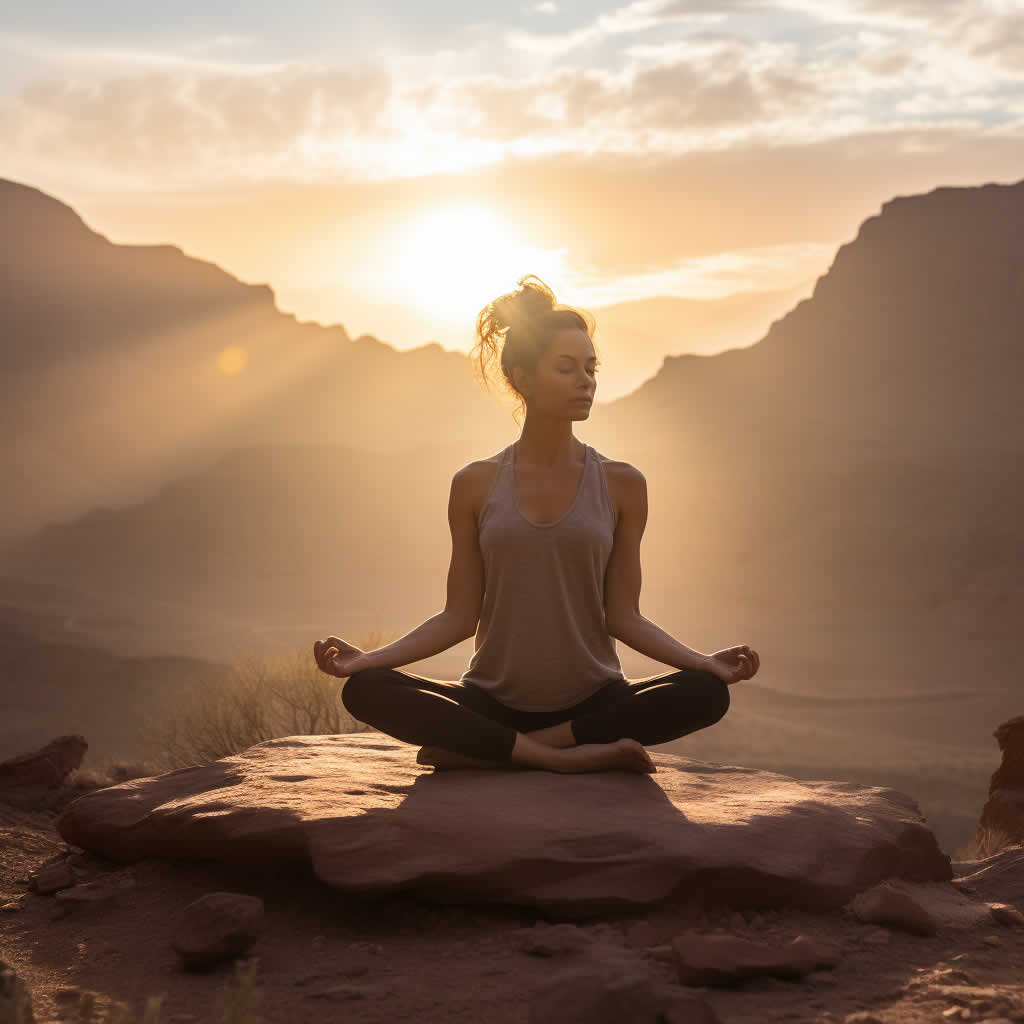
Yoga often gets labeled as a form of exercise. To many, it’s a tool for stretching tight muscles or improving posture. But if that’s all yoga is to you, you’re missing its deeper layers. At its core, yoga is a profound spiritual practice that goes far beyond physical flexibility.
Yoga wasn’t created for fitness. Its original purpose was to connect body, mind, and spirit. The poses—or asanas—are just one part of an eight-limbed path that leads toward inner freedom and spiritual awakening.
If you’re practicing yoga only for the physical benefits, this guide will help you explore its richer dimensions.
What Does Spiritual Mean in the Context of Yoga?
Spiritual doesn’t mean religious. You don’t have to subscribe to any belief system to practice spiritual yoga. In yoga, spirituality is about direct experience—connecting with something larger than yourself.
It’s about:
- Self-awareness
- Inner peace
- Mindfulness
- Unity with all living things
Yoga provides a structure for that kind of connection. It gives you the tools to quiet the mind and look inward.
The Origins of Yoga and Its Spiritual Roots
Yoga dates back over 5,000 years. Ancient texts like the Vedas, Upanishads, and the Bhagavad Gita talk about yoga as a way to reach spiritual liberation—known as moksha.
The foundational text for yoga philosophy is the Yoga Sutras of Patanjali, written around 200 BCE. In it, Patanjali outlines the Eight Limbs of Yoga—a roadmap to spiritual enlightenment.
These limbs are:
- Yama – Ethical restraints
- Niyama – Personal observances
- Asana – Physical postures
- Pranayama – Breath control
- Pratyahara – Withdrawal of senses
- Dharana – Concentration
- Dhyana – Meditation
- Samadhi – Union with the divine
As you can see, asana is only one part of a much bigger system.
Why Yoga Is More Than Just Flexibility
Yes, yoga makes your body more limber. But flexibility isn’t the end goal. It’s a byproduct of the deeper work you’re doing.
Here’s how yoga transforms more than your muscles:
1. Yoga Cultivates Inner Awareness
Holding a pose for several breaths forces you to become present. You notice how your body feels. You watch your thoughts. This awareness builds mindfulness—an essential aspect of spiritual growth.
2. Yoga Connects You to Your Breath
Pranayama (breath control) is a key component of spiritual yoga. Conscious breathing activates the parasympathetic nervous system, helping you move from stress into stillness. In that stillness, spiritual clarity often emerges.
3. Yoga Quiets the Ego
Balancing poses, inversions, and challenging sequences humble you. You learn to release comparison, judgment, and frustration. What’s left is a quieter mind—open to spiritual insight.
4. Yoga Encourages Self-Inquiry
The spiritual path is ultimately about knowing yourself. Yoga offers the space and silence needed to ask deeper questions:
- Who am I without my roles?
- What brings true peace?
- What am I here to do?
These aren’t questions you answer overnight. But yoga creates the space for them to arise.
The Role of Meditation in Spiritual Yoga
Meditation is central to yoga’s spiritual path. It builds on the focus and discipline you develop through the physical practice.
Why Meditation Matters
In the Yoga Sutras, the ultimate goal is samadhi—complete absorption or oneness with the divine. That’s not something achieved by stretching. It’s cultivated through sustained meditation.
You might start with simple breath awareness. Over time, you go deeper—into stillness, into consciousness, into something timeless.
Types of Meditation in Yoga
- Mantra meditation – Repeating sacred sounds
- Trataka – Fixed gaze on an object (like a candle flame)
- Loving-kindness (Metta) – Cultivating compassion
- Chakra meditation – Focusing on energy centers in the body
No single method is right for everyone. The goal is to find a practice that anchors you.
Ethical Living: The Yamas and Niyamas
The spiritual side of yoga begins with how you live. The yamas and niyamas are ethical principles that guide your thoughts and actions.
The Yamas: Restraints
- Ahimsa – Non-violence (in thought, word, and deed)
- Satya – Truthfulness
- Asteya – Non-stealing
- Brahmacharya – Moderation
- Aparigraha – Non-attachment
The Niyamas: Observances
- Shaucha – Cleanliness
- Santosha – Contentment
- Tapas – Discipline
- Svadhyaya – Self-study
- Ishvara Pranidhana – Surrender to a higher power
These aren’t rules. They’re invitations to align your life with deeper values. Living them brings your outer world into harmony with your inner path.
Breath as a Spiritual Bridge
Breath is life. In yoga, breath is more than air—it’s prana, or life force.
Controlling the breath can:
- Steady your mind
- Balance your emotions
- Move energy through the body
- Connect you with deeper states of consciousness
Key Pranayama Practices
- Nadi Shodhana – Alternate nostril breathing
- Kapalabhati – Cleansing breath
- Ujjayi – Victorious breath
These aren’t just breathing techniques. They’re spiritual practices that prepare you for deeper meditation and insight.
Yoga as a Path to Unity
The word “yoga” means union. The ultimate goal is to feel a sense of oneness—with yourself, others, and the universe.
That unity isn’t just an idea. It becomes a felt experience when you:
- Sit in meditation
- Breathe with intention
- Live ethically
- Move with presence
You start to realize that you’re not separate from the world. You’re an expression of it.
The Role of Ritual in Spiritual Yoga
Many spiritual traditions include rituals—and yoga is no different. Ritual helps mark sacred space and time.
In a yoga context, ritual can be:
- Lighting a candle before practice
- Chanting a mantra
- Creating an altar
- Dedicating your practice to someone or something
Ritual doesn’t need to be elaborate. Even a moment of silence before you begin can signal a shift from ordinary to sacred.
Yoga Off the Mat: Integrating Spiritual Practice into Daily Life
The real test of yoga isn’t how long you can hold a pose. It’s how you show up in the world.
Spiritual yoga means:
- Responding instead of reacting
- Choosing compassion over competition
- Creating rather than consuming
Your mat becomes a training ground. What you learn there ripples out into your relationships, your work, your choices.
Common Misconceptions About Spiritual Yoga
“You have to be religious.”
Not true. Yoga welcomes all beliefs—or none at all. Spirituality is about personal experience, not doctrine.
“It’s only for the flexible.”
Flexibility is irrelevant. Your willingness to be present matters more.
“It’s too mystical.”
Spiritual yoga can be grounded and practical. Breath. Stillness. Ethics. These are everyday tools.
Scientific Support for the Spiritual Side of Yoga
While spirituality is subjective, research supports the benefits of spiritual yoga practices:
- A 2021 study in Frontiers in Psychology found that spiritual experiences during yoga correlate with increased life satisfaction and emotional well-being.
- The National Center for Complementary and Integrative Health (NCCIH) reports that yoga can help reduce anxiety and promote emotional balance—both key outcomes of spiritual growth.
So even if the spiritual path feels abstract, its effects are measurable.
How to Start a More Spiritually Focused Yoga Practice
You don’t need a new teacher or fancy gear. You just need a shift in focus.
Here are simple ways to deepen your practice:
1. Set an Intention
Before you move, ask yourself: Why am I here? What am I seeking?
2. Slow Down
Hold poses longer. Feel each breath. Let your practice be a moving meditation.
3. Meditate Daily
Even 5 minutes a day makes a difference. Use a timer. Focus on the breath. Be consistent.
4. Journal Your Insights
After practice, jot down any thoughts or feelings that came up. Over time, you’ll notice patterns.
5. Study the Yoga Sutras
You don’t have to read the whole thing. Pick one sutra and reflect on it during your week.

Final Thoughts
Yoga is a spiritual path disguised as exercise. The poses are just the surface. Beneath them lies a system designed to wake you up—to yourself, to your breath, to your purpose.
You don’t have to abandon physical goals. But when you include the spiritual side, your practice becomes something much bigger. It becomes a path to inner freedom.
So next time you roll out your mat, try this: move with presence, breathe with intention, and listen deeply. You might just discover that the real stretch isn’t in your hamstrings—it’s in your heart.
View our Live Telephone Psychic Readers
Images by Carl Burness
SHARE THIS POST WITH YOUR FRIENDS:
Read further posts:

Jun. 24, 2026
The Language of Symbols in Healing and Dreams

Jun. 15, 2026
Healing from Burnout Using Spiritual Frameworks
Jun. 08, 2026
How to Track Moon Phases for Personal Transformation

Jun. 04, 2026
Daily Energy Protection Practices for Highly Sensitive People

May. 26, 2026
Working with Spirit Animals: Meaning and Connection

May. 20, 2026
How to Create Your Own Personalized Tarot Spreads

May. 13, 2026
The Role of the Subconscious in Psychic Development

May. 05, 2026
How to Clear Your Aura After Challenging Interactions
Apr. 29, 2026
Tarot and Seasonal Rituals: Aligning Readings with the Earth Cycle

Apr. 21, 2026
The Difference Between Intuition and Ego: How to Tell Them Apart
Apr. 14, 2026
How to Develop Clairaudience (Psychic Hearing): Signs & Exercises

Apr. 07, 2026
How to Read Tarot for Children or Teens

Apr. 01, 2026
How to Recognise and Interpret Synchronicities in Daily Life

Mar. 24, 2026
Late-Night Psychic Phone Readings for Australians Who Need Guidance Now
Mar. 14, 2026
Why Australians Are Choosing UK Psychic Phone Readings for Spiritual Guidance
Mar. 11, 2026
Understanding and Using Sacred Geometry in Healing
Mar. 02, 2026
Using Tarot for Emotional Healing After Trauma

Feb. 23, 2026
Shadow Work for Spiritual Growth: A Step-by-Step Guide

Feb. 17, 2026
Signs from Loved Ones Who’ve Passed On: What to Look for

Feb. 10, 2026
Manifesting Love: How to Use New Age Tools—Tarot, Crystals, Affirmations

Feb. 03, 2026
Mindful Eating & Spirituality: Does What You Eat Affect Your Energy?

Jan. 28, 2026
How Psychic Readings Can Help in Business & Career Decisions

Jan. 20, 2026
How Psychic Readings Can Help with Grief
Jan. 13, 2026
How to Use Tarot Spreads: Daily, Weekly & Special Purposes

Jan. 06, 2026
Spiritual Significance of Dreams: Lucid Dreaming, Nightmares, and Recurring Dreams

Dec. 30, 2025
How to Create a Sacred Space at Home: Altars, Smudging, Candles, and More

Dec. 19, 2025
A Wellbeing guide for enjoying Christmas

Dec. 16, 2025
Using Colour & Journalling for Spiritual Growth

Dec. 09, 2025
Signs of Psychic Intuition: How to Recognize Yours

Dec. 03, 2025
What to Ask During a Psychic Reading: 10 Good Questions
Nov. 26, 2025
How to Connect with Your Spirit Guides or Angels
Nov. 18, 2025
Understanding Energy Healing: Chakras, Auras, Reiki, and More
Nov. 12, 2025
Using Aromatherapy Oils to Reduce Stress & Anxiety

Nov. 06, 2025
How Crystals Can Support Emotional Wellbeing: Science or Spirituality?

Oct. 29, 2025
Sound Healing: Using Singing Bowls, Drums & Music for Relaxation

Oct. 23, 2025
Spiritual Tools Every New Age Beginner Should Own

Oct. 14, 2025
How to Use Dreamcatchers & Wind Chimes to Improve Sleep & Energy
Oct. 08, 2025
How to Use Incense and Smudge Sticks for Space Cleansing

Sep. 30, 2025
Moon Rituals: How to Use the New Moon and Full Moon to Reset

Sep. 25, 2025
A Beginner’s Guide to Astrology: Sun, Moon & Rising Signs

Sep. 16, 2025
Tarot Cards 101: Meaning of Major & Minor Arcana

Sep. 10, 2025
The Power of Gratitude in Elevating Your Energy and Awareness

Sep. 01, 2025
Understanding the Role of the Ego in Your Spiritual Path

Aug. 26, 2025
How to Work With Crystals for Emotional and Spiritual Wellness

Aug. 19, 2025
Balancing the Chakras: A Practical Guide for Beginners

Aug. 13, 2025
How to Create a Sacred Space at Home for Daily Reflection | Simple Steps for Peace & Mindfulness

Aug. 05, 2025
Beginner’s Guide to Meditation for Spiritual Growth
Jul. 29, 2025
Yoga as a Spiritual Practice: More Than Just Flexibility

Jul. 23, 2025
The Role of Nutrition in Spiritual Clarity and Energy
Jul. 17, 2025
How to Create a Daily Wellness Routine That Feeds the Soul

Jul. 11, 2025
The Connection Between Mindfulness and Physical Health

Jul. 03, 2025
Signs You’re Experiencing a Spiritual Awakening

Jun. 25, 2025
Are You an Empath? 7 Psychic Signs You Might Be an Empath

Jun. 18, 2025
Psychic Readings vs. Tarot Cards: What’s the Difference?

Jun. 11, 2025
How a Psychic Reading Can Help You Heal After a Breakup

Jun. 04, 2025
Can a Psychic Help You Find Your Soulmate?
May. 28, 2025
The Most Common Love Questions People Ask Psychics

May. 20, 2025
What Your Favorite Color Reveals About Your Aura

May. 14, 2025
The Spiritual Meaning Behind Recurring Dreams

May. 07, 2025
What Your Love Life Says About Your Energy Field

Apr. 28, 2025
Should You Ask a Psychic About Your Ex?

Apr. 22, 2025
Top 7 Benefits of Getting a Psychic Reading by Phone

Apr. 16, 2025
Lifestyle and Health

Apr. 08, 2025
What to Expect During Your First Psychic Phone Reading

Apr. 01, 2025
Mindfulness for Beginners: A Step-by-Step Guide to Living in the Present
Mar. 25, 2025
Using Essential Oils for Emotional and Spiritual Well-Being

Mar. 19, 2025
Understanding Karma: How Your Actions Shape Your Spiritual Path

Mar. 10, 2025
The Role of Mercury Retrograde in Personal Transformation

Mar. 03, 2025
How Meditation Can Help You Manifest Your Dreams
Feb. 24, 2025
Astrology for Healing: How the Planets Influence Your Energy

Feb. 18, 2025
Energy Healing Explained: What Is Reiki and How Does It Work?
Feb. 10, 2025
Breaking Through Limiting Beliefs: A Spiritual Approach to Self-Healing

Feb. 03, 2025
The Magic of Sacred Plants: Spiritual Benefits of Herbal Teas and Remedies

Jan. 29, 2025
Stargazing for the Soul: Finding Inspiration in the Night Sky

Jan. 21, 2025
The Science of Synchronicity: How to Recognize Spiritual Signs in Everyday Life

Jan. 17, 2025
Channeling and Spirit Guides: How to Connect with Higher Wisdom

Jan. 14, 2025
Soulmates and Twin Flames: How to Recognize Spiritual Connections

Jan. 09, 2025
The Spiritual Lessons of the Seasons: Finding Balance in Change

Jan. 06, 2025
How to Align Your Chakras for Balance and Harmony

Jan. 02, 2025
Awakening Your Higher Self: 7 Practices to Raise Your Vibrational Energy

Dec. 29, 2024
The Law of Attraction Explained: How to Manifest Your Ideal Life

Dec. 20, 2024
Harnessing the Power of the Moon for Personal Growth

Dec. 18, 2024
The Art of Journaling for Spiritual Growth: 5 Techniques to Deepen Your Practice

Dec. 15, 2024
How to Perform a Full Moon Ritual for Releasing Negativity

Dec. 12, 2024
Sacred Smudging: How to Cleanse Your Space with Sage and Palo Santo

Dec. 09, 2024
The Power of Affirmations: Transform Your Life with Positive Energy

Dec. 05, 2024
Sacred Spaces: Creating a Meditation Room at Home

Dec. 03, 2024
Grounding Techniques: How to Connect with Earth Energy Daily

Nov. 29, 2024
The Healing Power of Sound: Exploring Singing Bowls and Mantras

Nov. 26, 2024
Forest Bathing: Reconnecting with Nature for Spiritual Healing

Nov. 23, 2024
The Spiritual Meaning of a Morning Ritual: How to Start Your Day with Purpose

Nov. 19, 2024
Psychic Guides and Personal Transformation: From Doubt to Belief

Nov. 13, 2024
Psychic Guides and the Power of Gratitude: Cultivating Positivity
Nov. 09, 2024
Timing with Tarot: Using Tarot to Predict Timelines and Events

Nov. 04, 2024
Tarot and Dream Interpretation: Using Tarot to Decipher Dream Symbols
Oct. 30, 2024
Tarot and the Chakras: Combining Tarot with Chakra Energy Work
Oct. 25, 2024
Tarot Ethics: Guidelines for Ethical Tarot Reading and Consulting

Oct. 22, 2024
Tarot Rituals: Incorporating Tarot into Meditation and Spiritual Practices
Oct. 03, 2024
Reversed Cards: Interpreting Reversed or Inverted Tarot Cards
Sep. 30, 2024
Symbolism in Tarot: Analyzing Symbols, Colors, and Imagery in Cards

Sep. 27, 2024
Understanding Dream Interpretation Through Psychic Readings

Sep. 24, 2024
Can Psychic Readings Help You Make Career Decisions?

Sep. 22, 2024
How Psychic Readings Can Help You Find Love and Improve Relationships

Sep. 18, 2024
How Psychic Readings Can Offer Guidance During Difficult Times

Sep. 15, 2024
Why Energy Readings Can Help You Clear Blocks and Move Forward

Sep. 11, 2024
Psychic Guides and Empathy: Nurturing Your Empathic Abilities

Sep. 08, 2024
Mindfulness and Meditation: Benefits, Techniques, and How to Get Started with Mindfulness and Meditation Practices

Sep. 02, 2024
Positive Psychology: Techniques for Fostering a Positive Mindset and Increasing Happiness
Aug. 28, 2024
Psychic Guides and Psychic Mediums: Bridging the Spiritual Gap

Aug. 20, 2024
Building a Support Network: Importance of Having a Strong Social Support System and Tips for Building One

Aug. 13, 2024
Self-Care Routines: Ideas for Incorporating Self-Care into Daily Life

Aug. 07, 2024
Psychic Mediumship: Connecting with Loved Ones on the Other Side
Aug. 02, 2024
Psychic Predictions: What to Expect and How to Interpret Them

Jul. 30, 2024
Psychic Readings for Career Guidance: Finding Your True Calling

Jul. 25, 2024
Building Resilience: How to Develop Resilience and Cope with Life’s Challenges
Jul. 22, 2024
Dream Interpretation: Unveiling the Messages from Your Subconscious

Jul. 18, 2024
The History of Psychic Readings: From Ancient Times to Modern Practices
Jul. 16, 2024
Psychic Development: Cultivating Your Intuition

Jul. 12, 2024
Nature and Wellbeing: The Benefits of Spending Time in Nature and How to Incorporate It into Daily Life

Jul. 09, 2024