





0
In Cart
Sacred Spaces: Creating a Meditation Room at Home
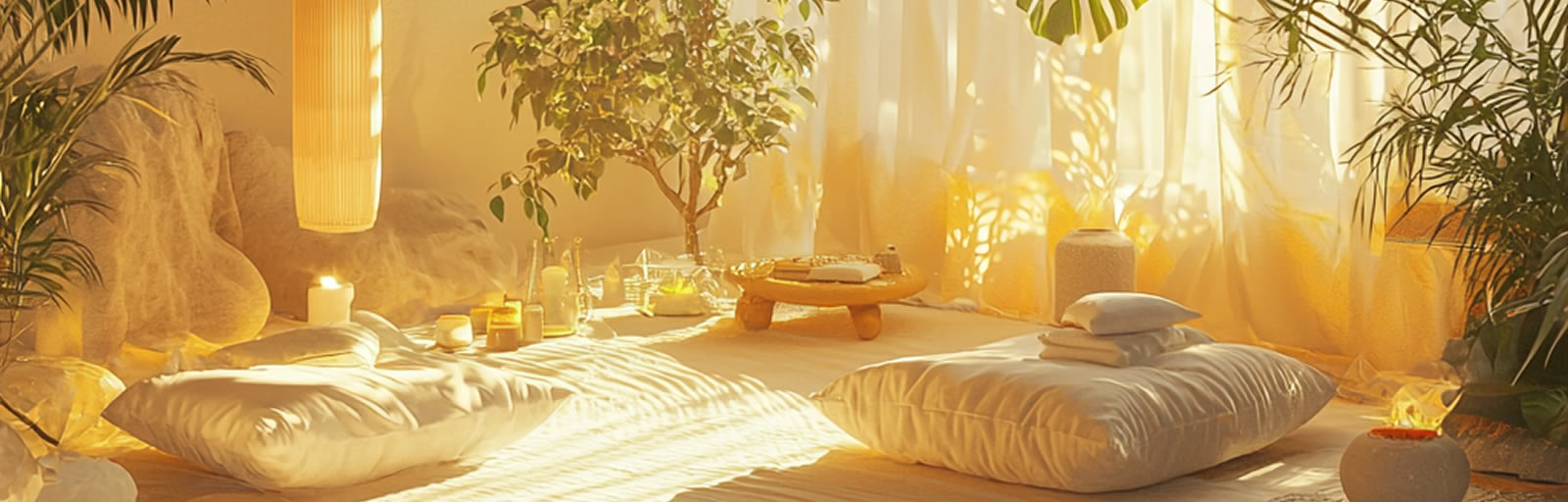
In today’s fast-paced world, finding a place for peace and relaxation is more important than ever. Meditation is a powerful tool for reducing stress and enhancing mental clarity, but having a dedicated space at home can take your practice to a whole new level. A well-designed meditation room can help you focus, unwind, and create a sanctuary for mindfulness.
Here’s how to create your sacred space and ensure it supports your meditation journey.
Why You Need a Meditation Room
Having a designated meditation room isn’t just a luxury—it’s a practical tool for building a consistent practice. Research shows that creating specific environments for habits can improve consistency by up to 40%. A meditation room removes distractions and helps signal to your mind and body that it’s time to relax.
Even a small corner or nook can make a difference if designed thoughtfully.
Step 1: Choosing the Right Location
1. Prioritize Privacy
The location of your meditation room should feel secluded. Choose a space where interruptions are minimal, whether it’s a spare room, attic, or even a quiet corner in a larger room. Privacy reinforces the sense of this being a special place.
2. Embrace Natural Light
Natural light fosters tranquility and a connection to the outside world. If possible, select a space with windows. Consider the angle of the sunlight and how it changes throughout the day to avoid harsh glare.
3. Consider Acoustics
Noise can disrupt meditation. Opt for a room away from high-traffic areas like the kitchen or living room. If complete silence isn’t an option, think about adding soundproofing elements or white noise machines.
Step 2: Designing Your Space
1. Simplify the Layout
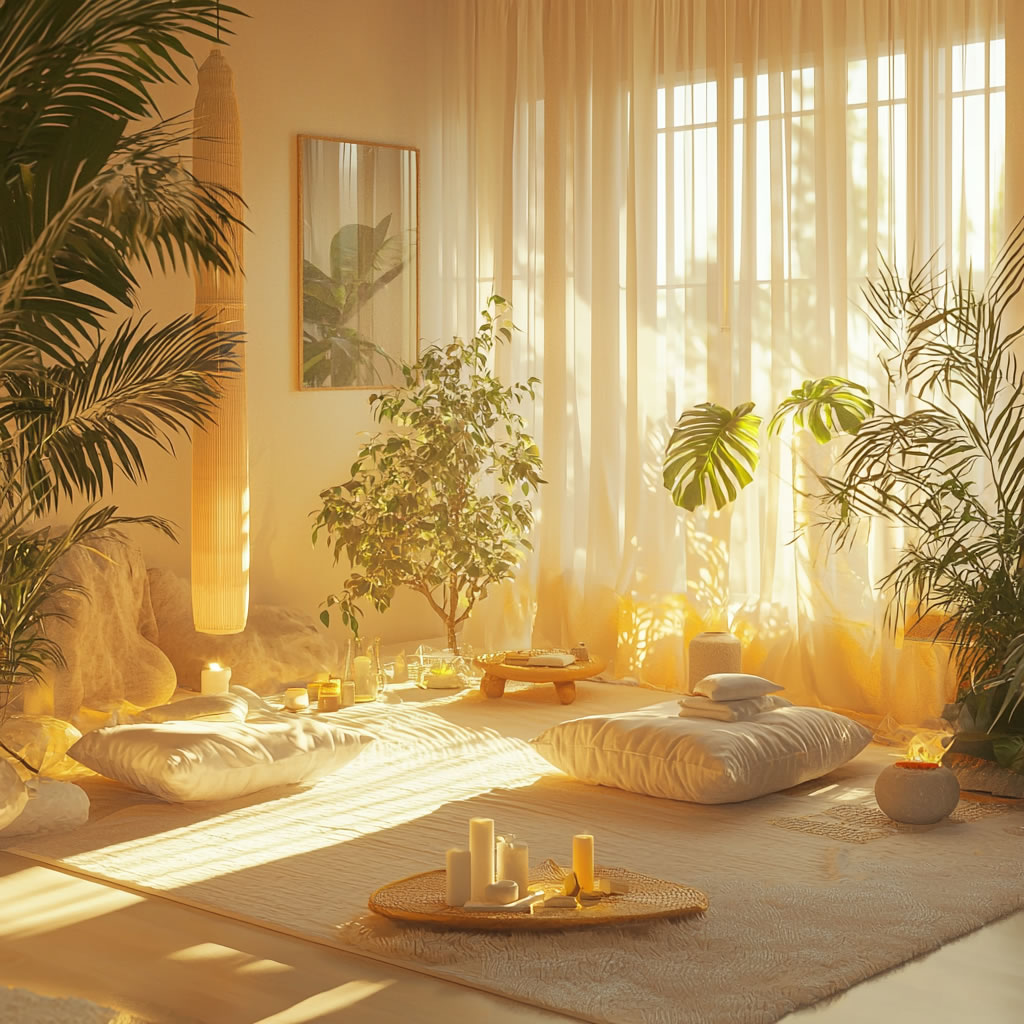
Minimalism is key. A cluttered space can create mental clutter. Keep furniture and decor to a minimum—focus on only what enhances your practice. A cushion, mat, and perhaps a small table or shelf may suffice.
2. Choose Calming Colors
Color impacts mood. Soft, neutral tones like whites, beiges, or light greys work well. If you prefer a hint of color, go for muted blues or greens, which are known to promote calmness.
3. Incorporate Nature
Natural elements like plants, stones, or a small water fountain can help ground your space. Studies show that exposure to natural elements can lower stress levels and improve focus by up to 15%.
4. Lighting
Lighting should be soft and adjustable. Use dimmable lights or candles to create a soothing atmosphere. Avoid harsh overhead lights.
Step 3: Adding Essential Elements
1. Comfortable Seating
Invest in high-quality meditation cushions or a supportive chair if sitting on the floor isn’t comfortable. Your posture is vital for a productive meditation session.
2. Aromatherapy
Scents like lavender, sandalwood, or eucalyptus can enhance relaxation. Use essential oil diffusers, incense, or candles, but ensure proper ventilation.
3. Soundscapes
Whether it’s calming music, a singing bowl, or nature sounds, the auditory element can deepen your meditation experience. A Bluetooth speaker or sound machine can be an excellent addition.
4. Visual Focal Points
A focal point like a small statue, mandala, or vision board can help center your practice. Keep it meaningful and personal.
Step 4: Personalizing Your Sacred Space
1. Reflect Your Personality
Incorporate items that inspire you. Maybe it’s a family heirloom, spiritual text, or personal artwork. However, keep it minimal to maintain a serene vibe.
2. Flexibility
Make your space adaptable to different practices. Whether you meditate, do yoga, or journal, the room should accommodate all these activities.
Step 5: Maintaining Your Meditation Room
1. Keep It Clean
Cleanliness supports clarity. Dust and clutter can disrupt the meditative environment. Regularly tidy and remove unnecessary items.
2. Refresh the Energy
Periodically change the arrangement or add seasonal touches like flowers to keep the space feeling fresh.
3. Limit Use
Dedicate the space solely to meditation and similar activities. Avoid multitasking in this area—it keeps the energy pure.
Benefits of a Meditation Room
1. Enhanced Focus
When you consistently meditate in the same spot, your brain associates the environment with mindfulness. This strengthens your focus over time.
2. Reduced Stress
Having a sanctuary helps create a mental boundary between the stresses of daily life and your peaceful practice. Even a short session in your meditation room can reset your mindset.
3. Improved Sleep
Practicing mindfulness in a dedicated space can improve sleep quality. Meditation before bed reduces cortisol, the stress hormone, by up to 31%, which promotes relaxation.
4. Consistency
A meditation room removes excuses. Knowing you have a ready-made space makes it easier to stick to a daily routine.
Small Space Solutions
Don’t have an extra room? No problem! Here are some creative ways to carve out a sacred space in small areas:
- Closet Conversion: Turn an unused closet into a cozy meditation nook.
- Corner Spaces: Use folding screens or curtains to define a corner.
- Multi-Use Furniture: Opt for foldable cushions or collapsible decor that can be stored when not in use.
Common Mistakes to Avoid
- Overcrowding: Avoid filling the space with unnecessary items. Less is more.
- Choosing a Noisy Area: Select a location away from distractions.
- Ignoring Comfort: An uncomfortable setup can discourage you from using the space.
- Lack of Personalization: Make sure the space reflects your needs and preferences.
Inspiration From Around the World
Cultures globally have long traditions of meditation spaces. Take inspiration from:
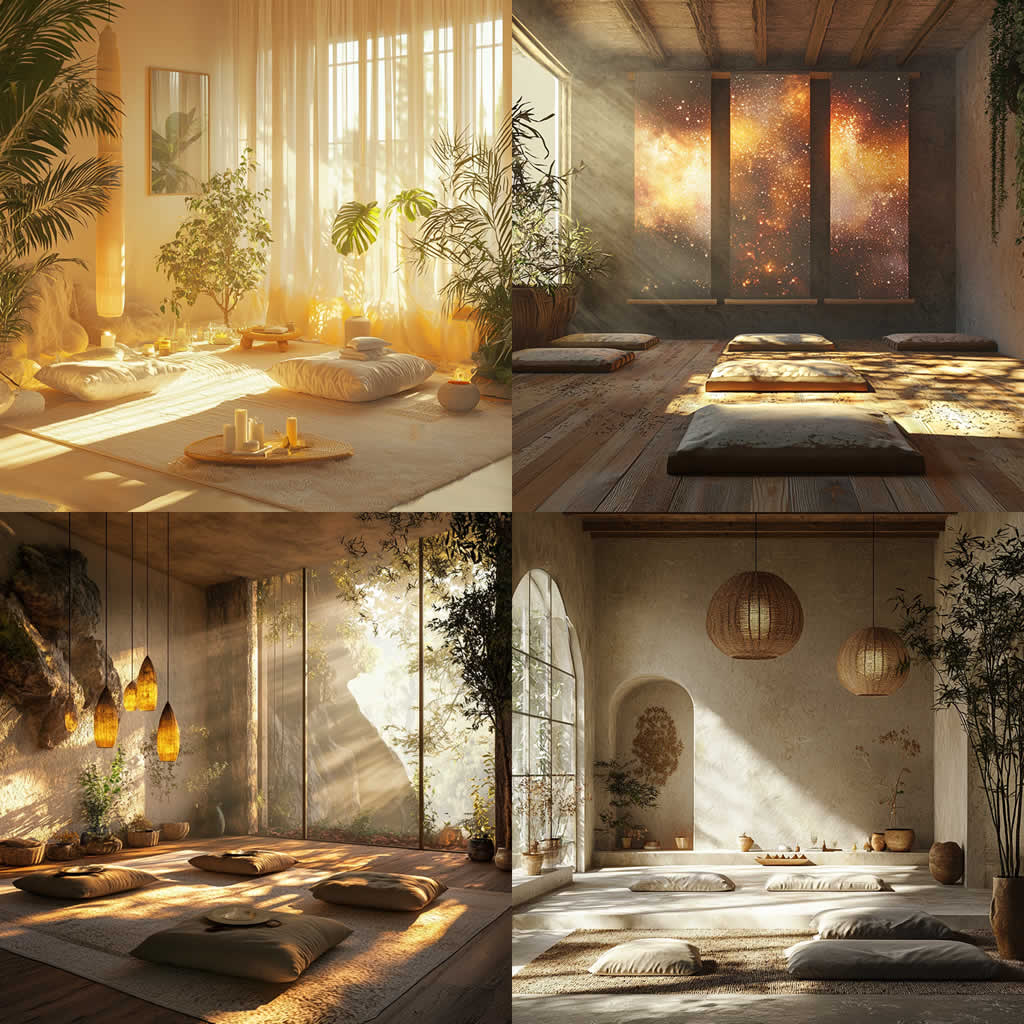
- Japanese Zen Gardens: Minimalist and nature-focused, these promote calm and balance.
- Indian Meditation Rooms: Rich in color and spiritual symbols, they reflect tradition and energy.
- Scandinavian Hygge Spaces: Cozy and simple, these focus on comfort and mindfulness.
Conclusion
Creating a meditation room at home doesn’t have to be complicated or expensive. The goal is to design a space that encourages peace, focus, and connection to yourself. By choosing the right location, simplifying your design, and maintaining the space with care, you’ll create a sanctuary that enriches your life.
Your meditation room can be a powerful tool for personal growth and mindfulness. Start small, be intentional, and make it yours.
View our Live Telephone Psychic Readers
Images by Carl Burness
SHARE THIS POST WITH YOUR FRIENDS:
Read further posts:

Jun. 30, 2026
How to Talk to Kids About Intuition and Inner Knowing

Jun. 24, 2026
The Language of Symbols in Healing and Dreams

Jun. 15, 2026
Healing from Burnout Using Spiritual Frameworks

Jun. 08, 2026
How to Track Moon Phases for Personal Transformation

Jun. 04, 2026
Daily Energy Protection Practices for Highly Sensitive People

May. 26, 2026
Working with Spirit Animals: Meaning and Connection

May. 20, 2026
How to Create Your Own Personalized Tarot Spreads

May. 13, 2026
The Role of the Subconscious in Psychic Development

May. 05, 2026
How to Clear Your Aura After Challenging Interactions
Apr. 29, 2026
Tarot and Seasonal Rituals: Aligning Readings with the Earth Cycle

Apr. 21, 2026
The Difference Between Intuition and Ego: How to Tell Them Apart

Apr. 14, 2026
How to Develop Clairaudience (Psychic Hearing): Signs & Exercises

Apr. 07, 2026
How to Read Tarot for Children or Teens

Apr. 01, 2026
How to Recognise and Interpret Synchronicities in Daily Life

Mar. 24, 2026
Late-Night Psychic Phone Readings for Australians Who Need Guidance Now

Mar. 14, 2026
Why Australians Are Choosing UK Psychic Phone Readings for Spiritual Guidance

Mar. 11, 2026
Understanding and Using Sacred Geometry in Healing
Mar. 02, 2026
Using Tarot for Emotional Healing After Trauma

Feb. 23, 2026
Shadow Work for Spiritual Growth: A Step-by-Step Guide

Feb. 17, 2026
Signs from Loved Ones Who’ve Passed On: What to Look for

Feb. 10, 2026
Manifesting Love: How to Use New Age Tools—Tarot, Crystals, Affirmations

Feb. 03, 2026
Mindful Eating & Spirituality: Does What You Eat Affect Your Energy?

Jan. 28, 2026
How Psychic Readings Can Help in Business & Career Decisions

Jan. 20, 2026
How Psychic Readings Can Help with Grief
Jan. 13, 2026
How to Use Tarot Spreads: Daily, Weekly & Special Purposes

Jan. 06, 2026
Spiritual Significance of Dreams: Lucid Dreaming, Nightmares, and Recurring Dreams
Dec. 30, 2025
How to Create a Sacred Space at Home: Altars, Smudging, Candles, and More

Dec. 19, 2025
A Wellbeing guide for enjoying Christmas

Dec. 16, 2025
Using Colour & Journalling for Spiritual Growth

Dec. 09, 2025
Signs of Psychic Intuition: How to Recognize Yours

Dec. 03, 2025
What to Ask During a Psychic Reading: 10 Good Questions

Nov. 26, 2025
How to Connect with Your Spirit Guides or Angels

Nov. 18, 2025
Understanding Energy Healing: Chakras, Auras, Reiki, and More
Nov. 12, 2025
Using Aromatherapy Oils to Reduce Stress & Anxiety

Nov. 06, 2025
How Crystals Can Support Emotional Wellbeing: Science or Spirituality?

Oct. 29, 2025
Sound Healing: Using Singing Bowls, Drums & Music for Relaxation
Oct. 23, 2025
Spiritual Tools Every New Age Beginner Should Own

Oct. 14, 2025
How to Use Dreamcatchers & Wind Chimes to Improve Sleep & Energy

Oct. 08, 2025
How to Use Incense and Smudge Sticks for Space Cleansing

Sep. 30, 2025
Moon Rituals: How to Use the New Moon and Full Moon to Reset

Sep. 25, 2025
A Beginner’s Guide to Astrology: Sun, Moon & Rising Signs
Sep. 16, 2025
Tarot Cards 101: Meaning of Major & Minor Arcana

Sep. 10, 2025
The Power of Gratitude in Elevating Your Energy and Awareness

Sep. 01, 2025
Understanding the Role of the Ego in Your Spiritual Path

Aug. 26, 2025
How to Work With Crystals for Emotional and Spiritual Wellness

Aug. 19, 2025
Balancing the Chakras: A Practical Guide for Beginners
Aug. 13, 2025
How to Create a Sacred Space at Home for Daily Reflection | Simple Steps for Peace & Mindfulness

Aug. 05, 2025
Beginner’s Guide to Meditation for Spiritual Growth

Jul. 29, 2025
Yoga as a Spiritual Practice: More Than Just Flexibility

Jul. 23, 2025
The Role of Nutrition in Spiritual Clarity and Energy

Jul. 17, 2025
How to Create a Daily Wellness Routine That Feeds the Soul

Jul. 11, 2025
The Connection Between Mindfulness and Physical Health

Jul. 03, 2025
Signs You’re Experiencing a Spiritual Awakening

Jun. 25, 2025
Are You an Empath? 7 Psychic Signs You Might Be an Empath

Jun. 18, 2025
Psychic Readings vs. Tarot Cards: What’s the Difference?

Jun. 11, 2025
How a Psychic Reading Can Help You Heal After a Breakup

Jun. 04, 2025
Can a Psychic Help You Find Your Soulmate?

May. 28, 2025
The Most Common Love Questions People Ask Psychics

May. 20, 2025
What Your Favorite Color Reveals About Your Aura

May. 14, 2025
The Spiritual Meaning Behind Recurring Dreams

May. 07, 2025
What Your Love Life Says About Your Energy Field

Apr. 28, 2025
Should You Ask a Psychic About Your Ex?

Apr. 22, 2025
Top 7 Benefits of Getting a Psychic Reading by Phone

Apr. 16, 2025
Lifestyle and Health

Apr. 08, 2025
What to Expect During Your First Psychic Phone Reading

Apr. 01, 2025
Mindfulness for Beginners: A Step-by-Step Guide to Living in the Present
Mar. 25, 2025
Using Essential Oils for Emotional and Spiritual Well-Being

Mar. 19, 2025
Understanding Karma: How Your Actions Shape Your Spiritual Path

Mar. 10, 2025
The Role of Mercury Retrograde in Personal Transformation

Mar. 03, 2025
How Meditation Can Help You Manifest Your Dreams

Feb. 24, 2025
Astrology for Healing: How the Planets Influence Your Energy

Feb. 18, 2025
Energy Healing Explained: What Is Reiki and How Does It Work?

Feb. 10, 2025
Breaking Through Limiting Beliefs: A Spiritual Approach to Self-Healing

Feb. 03, 2025
The Magic of Sacred Plants: Spiritual Benefits of Herbal Teas and Remedies

Jan. 29, 2025
Stargazing for the Soul: Finding Inspiration in the Night Sky

Jan. 21, 2025
The Science of Synchronicity: How to Recognize Spiritual Signs in Everyday Life

Jan. 17, 2025
Channeling and Spirit Guides: How to Connect with Higher Wisdom

Jan. 14, 2025
Soulmates and Twin Flames: How to Recognize Spiritual Connections

Jan. 09, 2025
The Spiritual Lessons of the Seasons: Finding Balance in Change

Jan. 06, 2025
How to Align Your Chakras for Balance and Harmony

Jan. 02, 2025
Awakening Your Higher Self: 7 Practices to Raise Your Vibrational Energy

Dec. 29, 2024
The Law of Attraction Explained: How to Manifest Your Ideal Life

Dec. 20, 2024
Harnessing the Power of the Moon for Personal Growth

Dec. 18, 2024
The Art of Journaling for Spiritual Growth: 5 Techniques to Deepen Your Practice

Dec. 15, 2024
How to Perform a Full Moon Ritual for Releasing Negativity

Dec. 12, 2024
Sacred Smudging: How to Cleanse Your Space with Sage and Palo Santo

Dec. 09, 2024
The Power of Affirmations: Transform Your Life with Positive Energy
Dec. 05, 2024
Sacred Spaces: Creating a Meditation Room at Home

Dec. 03, 2024
Grounding Techniques: How to Connect with Earth Energy Daily

Nov. 29, 2024
The Healing Power of Sound: Exploring Singing Bowls and Mantras

Nov. 26, 2024
Forest Bathing: Reconnecting with Nature for Spiritual Healing

Nov. 23, 2024
The Spiritual Meaning of a Morning Ritual: How to Start Your Day with Purpose

Nov. 19, 2024
Psychic Guides and Personal Transformation: From Doubt to Belief

Nov. 13, 2024
Psychic Guides and the Power of Gratitude: Cultivating Positivity

Nov. 09, 2024
Timing with Tarot: Using Tarot to Predict Timelines and Events

Nov. 04, 2024
Tarot and Dream Interpretation: Using Tarot to Decipher Dream Symbols

Oct. 30, 2024
Tarot and the Chakras: Combining Tarot with Chakra Energy Work

Oct. 25, 2024
Tarot Ethics: Guidelines for Ethical Tarot Reading and Consulting

Oct. 22, 2024
Tarot Rituals: Incorporating Tarot into Meditation and Spiritual Practices

Oct. 03, 2024
Reversed Cards: Interpreting Reversed or Inverted Tarot Cards

Sep. 30, 2024
Symbolism in Tarot: Analyzing Symbols, Colors, and Imagery in Cards

Sep. 27, 2024
Understanding Dream Interpretation Through Psychic Readings

Sep. 24, 2024
Can Psychic Readings Help You Make Career Decisions?

Sep. 22, 2024
How Psychic Readings Can Help You Find Love and Improve Relationships

Sep. 18, 2024
How Psychic Readings Can Offer Guidance During Difficult Times

Sep. 15, 2024
Why Energy Readings Can Help You Clear Blocks and Move Forward

Sep. 11, 2024
Psychic Guides and Empathy: Nurturing Your Empathic Abilities

Sep. 08, 2024
Mindfulness and Meditation: Benefits, Techniques, and How to Get Started with Mindfulness and Meditation Practices

Sep. 02, 2024
Positive Psychology: Techniques for Fostering a Positive Mindset and Increasing Happiness

Aug. 28, 2024
Psychic Guides and Psychic Mediums: Bridging the Spiritual Gap

Aug. 20, 2024
Building a Support Network: Importance of Having a Strong Social Support System and Tips for Building One

Aug. 13, 2024
Self-Care Routines: Ideas for Incorporating Self-Care into Daily Life

Aug. 07, 2024
Psychic Mediumship: Connecting with Loved Ones on the Other Side

Aug. 02, 2024
Psychic Predictions: What to Expect and How to Interpret Them

Jul. 30, 2024
Psychic Readings for Career Guidance: Finding Your True Calling

Jul. 25, 2024
Building Resilience: How to Develop Resilience and Cope with Life’s Challenges

Jul. 22, 2024
Dream Interpretation: Unveiling the Messages from Your Subconscious

Jul. 18, 2024
The History of Psychic Readings: From Ancient Times to Modern Practices

Jul. 16, 2024
Psychic Development: Cultivating Your Intuition

Jul. 12, 2024