





0
In Cart
Spiritual Tools Every New Age Beginner Should Own
Word count: 3,201
Estimated reading time: ~13 minutes
Introduction
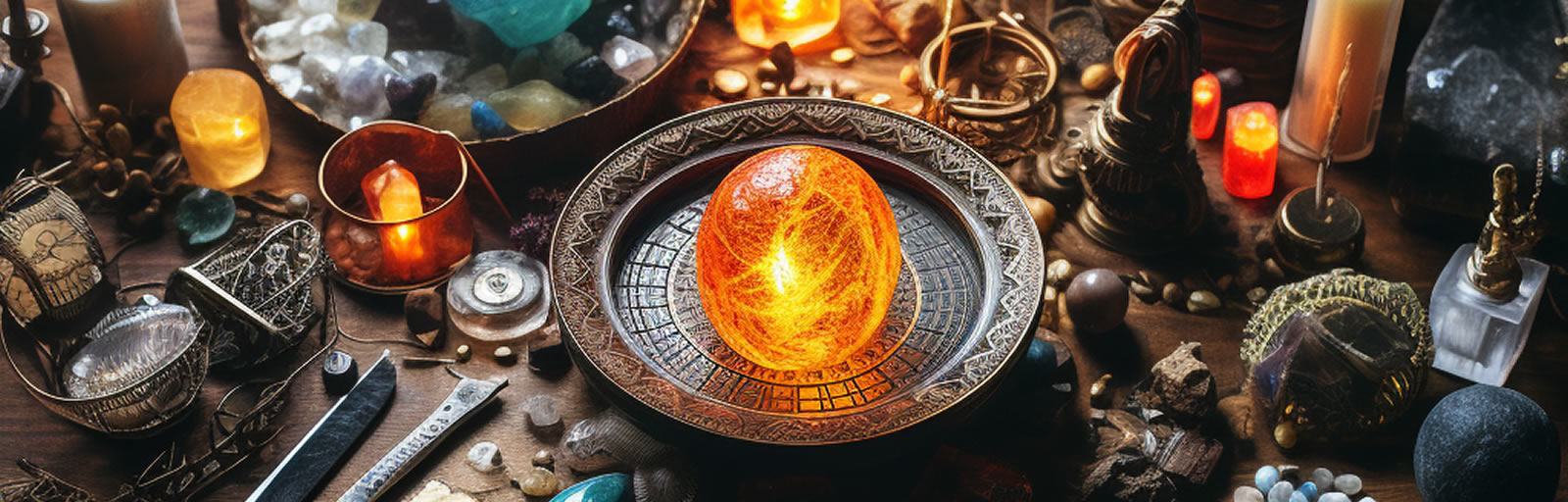
Starting your New Age or spiritual journey can feel overwhelming. There’s a huge array of tools, techniques, and traditions to explore. You might wonder: which tools truly matter at the beginning? This guide focuses in—offering a clear and practical list of foundational spiritual tools for New Age beginners. Use this as your compass to begin intentionally, rather than collecting every possible tool.
These tools help you ground, protect, clarify intention, and open inner awareness. They support your practice—whatever spiritual style you develop. Over time, you’ll know what to add and drop. But to begin, these are the essentials.

What Makes a Tool “Essential”?
- Accessibility: Easily available or affordable.
- Versatility: Useful across many practices (meditation, ritual, energy work).
- Foundational support: It helps with boundaries, clarity, safety.
- Personal resonance: You feel drawn to it.
Don’t worry—resonance often emerges only by trying. You won’t know what really suits you until you test a few tools for months at least.
Core Spiritual Tools
Below are the essential spiritual tools every beginner should own (or at least try). Use them with intention and awareness.
1. Meditation Cushion or Mat
- A simple, comfortable cushion or mat helps you designate sacred space.
- Sitting on something supportive reduces physical discomfort, allowing deeper focus.
- It signals to your psyche: this is where spiritual work happens.
- It can be as simple as a folded blanket or a small yoga mat.
Tips:
- Pick natural materials (cotton, wool) when possible
- Keep it clean—wash or air it out regularly
- Place it in a quiet corner, free from clutter
2. Sage (Smudge Stick) or Smudging Tool
Smudging is an energetic clearing practice—especially useful before meditation, ritual, or after negativity has entered your space.
- White sage is the common choice.
- Other options: palo santo, cedar, or combinations.
- Always use with intention: breathe consciously, move smoke gently throughout the space.
- Open a window or door so energy and smoke can depart.
Safety & ethics:
- Use sustainably sourced sage or palo santo (many sellers now certify ethical harvesting).
- Never burn indoors without ventilation.
- Use a fire-safe bowl or abalone shell.
3. Crystal(s)
Crystals are optional—but many find them helpful as energy anchors or focus tools. Use them mindfully, not as magic wands.
- Start with one or two: quartz crystal and either amethyst or black tourmaline.
- Clear quartz: amplifies intention, acts as an energy conductor.
- Amethyst: calming energy, good for intuition and sleep.
- Black tourmaline: grounding and protective.
How to use:
- Hold during meditation
- Place on your altar
- Carry one in your pocket
- Use as a visual focus
Cleansing crystals:
- Moonlight bath
- Smudging
- Sound (singing bowls or tuning forks)
4. Journal (or Oracle Journal)
A journal is your spiritual mirror. It’s where you track dreams, insights, emotional shifts, and synchronicities.
- Keep it sacred and private.
- Date your entries.
- Use prompts: What did I notice today? What felt heavy? What felt light?
- Reflect sometimes—look back on older entries to see growth.
Extras you can add later:
- Stickers or drawings
- Buller lists
- Oracle card impressions
5. Pendulum
A pendulum (often a crystal on a chain) helps answer simple yes/no or directional spiritual questions. It’s especially helpful when your intuition is new or quiet.
- Hold it stationary—center your mind.
- Ask clearly: e.g., “Show me yes,” “Show me no.”
- Test it with known answers.
- Use it cautiously; it’s not infallible.
This tool helps you catch subtler intuitive signals over time.
6. Altar or Sacred Space Kit
You don’t need a grand altar. Even a small shelf, box, or corner suffices.
Basic altar items:
- A small cloth (cotton, silk)
- A candle (plain white is fine)
- A small bowl for water or salt
- The crystal(s) and journal
- A symbol or image that inspires you (deity, mandala, nature photo)
Why you need it:
- It gives you a physical anchor for spiritual practice.
- It reminds you daily of your devotion and intention.
- It embodies the sacred in the mundane.
7. Singing Bowl or Sound Tool
Sound clears energy, shifts vibration, and reorients your field. A small singing bowl, bell, or chime is perfect.
- Strike or play before and after meditation or ritual.
- Let the sound reverberate throughout the room.
- You can also record a tone and play it if physical tools aren’t available.
8. Essential Oil(s) or Aromatherapy
Aromas influence mood, awareness, and state. Essential oils add a multisensory dimension to your spiritual work.
- Start with lavender, frankincense, or sandalwood.
- Use a diffuser or a drop on a cotton ball near your altar.
- Use a diluted form if applying to skin (mix with carrier oil).
- Always test for allergies.
Aroma supports intention, calmness, clarity, or protection depending on which oil you choose.
9. Protection Tool / Symbol
Spiritual protection is often overlooked by beginners. A symbolic tool helps anchor your protective intention.
- A small protective crystal (e.g. obsidian, black tourmaline)
- A symbolic pendant (star, pentacle, cross, etc.)
- Sigils or drawn protective symbols on paper
Use it consciously—wear it, place it near your bed, or include it in rituals.
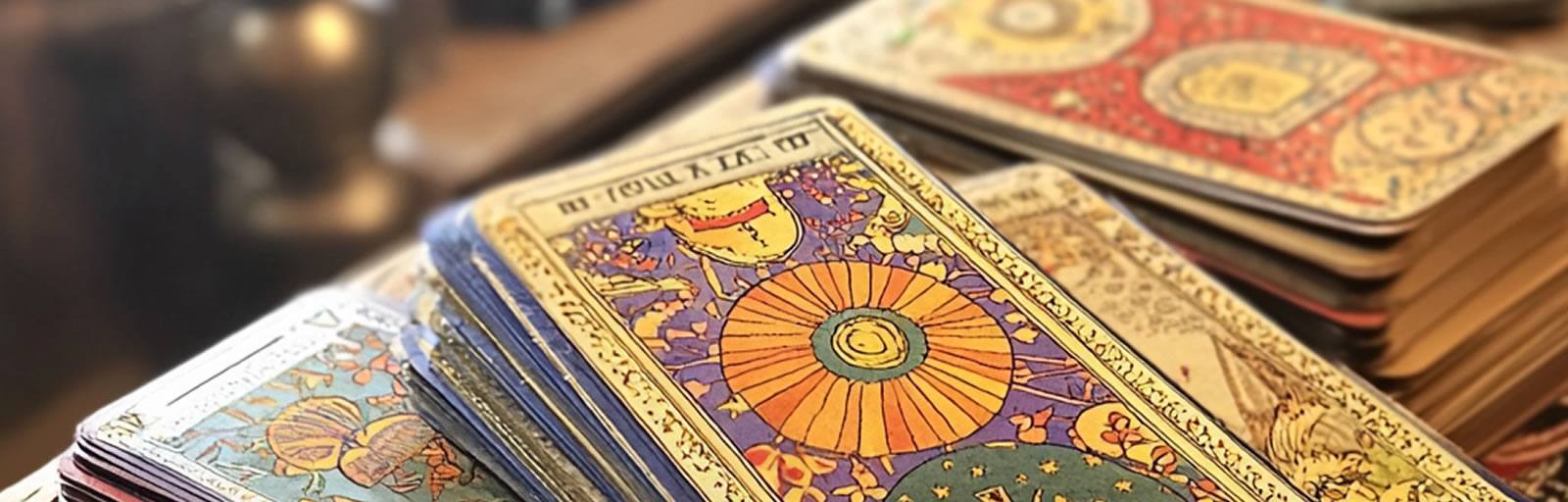
10. Oracle Deck or Tarot Deck
Divination tools help you access deeper wisdom and inner guidance. They are mirrors, not prophecies.
- Pick a deck whose art resonates with you.
- Learn one card per week.
- Keep a reference book or app.
- Use journaling in tandem: draw a card, then journal impressions.
You don’t need multiple decks—one is enough to begin.
How to Introduce These Tools Gradually
Begin with just two or three tools. Let them grow with you.
For example:
- Start with meditation cushion + journal + clear quartz.
- After a month, add smudging or sound.
- Add oracle deck later, when you feel ready.
Too many tools too soon can distract or dilute your focus.
Best Practices for Using Spiritual Tools
A. Intention Comes First
Every time you use a tool, set a clear, conscious intention. The tool amplifies your intention—it doesn’t do the work for you.
B. Respect & Cleanse Regularly
Clear your tools energetically. Smudge, moonlight, sound—they absorb energy and eventually must be refreshed.
C. Don’t Over-Rely
A tool is a support, not a crutch. The real work is your own inner growth, insight, and connection.
D. Journal & Reflect
Record how tools make you feel, any results, or inner shifts. Over time, you’ll see patterns and preferences.
E. Try Before You Commit
Don’t invest in expensive tools immediately. Try modest items first. See if they resonate. Return or repurpose if not.
Addressing Common Questions & Concerns
“Do I really need crystals or oracle decks?”
No—none of these tools are mandatory. They are supports, not core essentials. If one feels wrong or irrelevant, leave it behind.
“What if I’m skeptical?”
That’s natural. Use tools as experiments rather than proof. Observe: Does my focus deepen? Does energy shift? Let your experience guide belief.
“Is there any science behind them?”
Some studies show that ritual, focus, and sensory cues (sound, scent) influence brain states (e.g., lower stress hormones, shift in brainwave activity). These aren’t endorsements of metaphysics, but they suggest spiritual tools can influence your mental state.
“Can I mix traditions?”
Yes. Many spiritual paths are synthetic. But approach with respect. Understand basic guidelines of each tradition before mixing too freely.
“What if I feel overwhelmed by tools?”
Pause. Return to basics (breath, stillness, journaling). Spiritual maturity isn’t measured by tools collected. Depth matters more.
Sample Beginner Ritual Using These Tools
Here’s a simple ritual using 5 of these:
- Cleanse space: Smudge the room and yourself.
- Set up altar: Place your crystal, candle, water bowl, journal.
- Sound clearing: Strike your singing bowl or chime.
- Meditation: Sit on your cushion, hold crystal, breathe for 5–10 minutes.
- Journal: Write any impressions, messages, or feelings.
- Divination (optional): Draw one card from your deck and reflect.
- Close: Extinguish the candle, thank your guides, ground yourself via breath.
Do this weekly. Adapt as you grow.
Why This Set of Tools Works for Beginners
- Balance: You have tools for cleansing (smudge), grounding (crystal, cushion), insight (oracle), protection (symbol), space (altar), amplification (candle/sound).
- Scalability: Each tool can evolve with you. A simple crystal can become part of a complex grid months later.
- Sensory interplay: You engage sight, sound, smell, touch, and intention—all helping anchor your inner work.
- Consistency: Having a defined kit helps build ritual and routine.
Troubleshooting & Tips
| Challenge | Tip |
|---|---|
| Tools feel flat or dull | Sleep with your crystal for several nights; meditate with full intention. |
| Overwhelmed by information | Focus on one tool at a time. Use monthly cycles. |
| Tools stop feeling meaningful | Cleanse deeply, retreat from them for a few days, or rearrange your altar. |
| Conflicting intuitive messages | Return to silence first. Then test with pendulum, journaling, or divination. |
| Lack of finances for quality tools | Use what you have—stones from nature, recycled cloth, discounted used decks (if condition is okay). |
Cautions & Ethical Notes
- Never replace medical or psychological care with spiritual tools.
- Respect cultural origins. Tools like smudging come from Indigenous traditions. Educate yourself.
- Avoid overconsumption. Collect tools consciously—not compulsively.
- Mind allergies and sensitivities, especially with scents or smoke.
- Be skeptical of anyone promising instant enlightenment with a single tool; real spiritual growth is gradual.
Next Steps After You Own These Tools
- Deepen meditation techniques (visualization, breathwork, energy scanning).
- Explore energy healing modalities (Reiki, chakra work, subtle body mapping).
- Learn about symbolism (sacred geometry, archetypes).
- Engage in community (study group, workshops, online forums).
- Over time, add advanced tools only when needed (crystal grids, ritual circles, wands, athames, etc.).

Summary & Final Thoughts
If you’re new, begin simply. A meditation cushion, smudge stick, one crystal, a journal, and a basic tarot/oracle deck make a strong foundation. Add a sound tool and protective symbol. Use them with intention and respect.
Over time, you’ll feel into what truly assists your path—then expand wisely. Spiritual tools support your journey; they don’t make it for you.
You’ve now got a clear, actionable list. Start with two or three, build routine, journal experiences. Let the tools grow with your practice.
May your journey be grounded, clear, and deeply resonant.
View our Live Telephone Psychic Readers
Images by Carl Burness
SHARE THIS POST WITH YOUR FRIENDS:
Read further posts:

Jun. 24, 2026
The Language of Symbols in Healing and Dreams

Jun. 15, 2026
Healing from Burnout Using Spiritual Frameworks
Jun. 08, 2026
How to Track Moon Phases for Personal Transformation

Jun. 04, 2026
Daily Energy Protection Practices for Highly Sensitive People

May. 26, 2026
Working with Spirit Animals: Meaning and Connection
May. 20, 2026
How to Create Your Own Personalized Tarot Spreads

May. 13, 2026
The Role of the Subconscious in Psychic Development

May. 05, 2026
How to Clear Your Aura After Challenging Interactions
Apr. 29, 2026
Tarot and Seasonal Rituals: Aligning Readings with the Earth Cycle

Apr. 21, 2026
The Difference Between Intuition and Ego: How to Tell Them Apart

Apr. 14, 2026
How to Develop Clairaudience (Psychic Hearing): Signs & Exercises

Apr. 07, 2026
How to Read Tarot for Children or Teens

Apr. 01, 2026
How to Recognise and Interpret Synchronicities in Daily Life

Mar. 24, 2026
Late-Night Psychic Phone Readings for Australians Who Need Guidance Now

Mar. 14, 2026
Why Australians Are Choosing UK Psychic Phone Readings for Spiritual Guidance

Mar. 11, 2026
Understanding and Using Sacred Geometry in Healing
Mar. 02, 2026
Using Tarot for Emotional Healing After Trauma

Feb. 23, 2026
Shadow Work for Spiritual Growth: A Step-by-Step Guide

Feb. 17, 2026
Signs from Loved Ones Who’ve Passed On: What to Look for

Feb. 10, 2026
Manifesting Love: How to Use New Age Tools—Tarot, Crystals, Affirmations

Feb. 03, 2026
Mindful Eating & Spirituality: Does What You Eat Affect Your Energy?

Jan. 28, 2026
How Psychic Readings Can Help in Business & Career Decisions
Jan. 20, 2026
How Psychic Readings Can Help with Grief
Jan. 13, 2026
How to Use Tarot Spreads: Daily, Weekly & Special Purposes

Jan. 06, 2026
Spiritual Significance of Dreams: Lucid Dreaming, Nightmares, and Recurring Dreams
Dec. 30, 2025
How to Create a Sacred Space at Home: Altars, Smudging, Candles, and More

Dec. 19, 2025
A Wellbeing guide for enjoying Christmas
Dec. 16, 2025
Using Colour & Journalling for Spiritual Growth

Dec. 09, 2025
Signs of Psychic Intuition: How to Recognize Yours

Dec. 03, 2025
What to Ask During a Psychic Reading: 10 Good Questions

Nov. 26, 2025
How to Connect with Your Spirit Guides or Angels

Nov. 18, 2025
Understanding Energy Healing: Chakras, Auras, Reiki, and More
Nov. 12, 2025
Using Aromatherapy Oils to Reduce Stress & Anxiety

Nov. 06, 2025
How Crystals Can Support Emotional Wellbeing: Science or Spirituality?

Oct. 29, 2025
Sound Healing: Using Singing Bowls, Drums & Music for Relaxation
Oct. 23, 2025
Spiritual Tools Every New Age Beginner Should Own

Oct. 14, 2025
How to Use Dreamcatchers & Wind Chimes to Improve Sleep & Energy
Oct. 08, 2025
How to Use Incense and Smudge Sticks for Space Cleansing

Sep. 30, 2025
Moon Rituals: How to Use the New Moon and Full Moon to Reset

Sep. 25, 2025
A Beginner’s Guide to Astrology: Sun, Moon & Rising Signs
Sep. 16, 2025
Tarot Cards 101: Meaning of Major & Minor Arcana

Sep. 10, 2025
The Power of Gratitude in Elevating Your Energy and Awareness

Sep. 01, 2025
Understanding the Role of the Ego in Your Spiritual Path

Aug. 26, 2025
How to Work With Crystals for Emotional and Spiritual Wellness

Aug. 19, 2025
Balancing the Chakras: A Practical Guide for Beginners

Aug. 13, 2025
How to Create a Sacred Space at Home for Daily Reflection | Simple Steps for Peace & Mindfulness

Aug. 05, 2025
Beginner’s Guide to Meditation for Spiritual Growth

Jul. 29, 2025
Yoga as a Spiritual Practice: More Than Just Flexibility

Jul. 23, 2025
The Role of Nutrition in Spiritual Clarity and Energy

Jul. 17, 2025
How to Create a Daily Wellness Routine That Feeds the Soul

Jul. 11, 2025
The Connection Between Mindfulness and Physical Health

Jul. 03, 2025
Signs You’re Experiencing a Spiritual Awakening

Jun. 25, 2025
Are You an Empath? 7 Psychic Signs You Might Be an Empath

Jun. 18, 2025
Psychic Readings vs. Tarot Cards: What’s the Difference?

Jun. 11, 2025
How a Psychic Reading Can Help You Heal After a Breakup

Jun. 04, 2025
Can a Psychic Help You Find Your Soulmate?
May. 28, 2025
The Most Common Love Questions People Ask Psychics

May. 20, 2025
What Your Favorite Color Reveals About Your Aura

May. 14, 2025
The Spiritual Meaning Behind Recurring Dreams

May. 07, 2025
What Your Love Life Says About Your Energy Field

Apr. 28, 2025
Should You Ask a Psychic About Your Ex?

Apr. 22, 2025
Top 7 Benefits of Getting a Psychic Reading by Phone

Apr. 16, 2025
Lifestyle and Health

Apr. 08, 2025
What to Expect During Your First Psychic Phone Reading

Apr. 01, 2025
Mindfulness for Beginners: A Step-by-Step Guide to Living in the Present
Mar. 25, 2025
Using Essential Oils for Emotional and Spiritual Well-Being

Mar. 19, 2025
Understanding Karma: How Your Actions Shape Your Spiritual Path

Mar. 10, 2025
The Role of Mercury Retrograde in Personal Transformation

Mar. 03, 2025
How Meditation Can Help You Manifest Your Dreams

Feb. 24, 2025
Astrology for Healing: How the Planets Influence Your Energy

Feb. 18, 2025
Energy Healing Explained: What Is Reiki and How Does It Work?
Feb. 10, 2025
Breaking Through Limiting Beliefs: A Spiritual Approach to Self-Healing

Feb. 03, 2025
The Magic of Sacred Plants: Spiritual Benefits of Herbal Teas and Remedies

Jan. 29, 2025
Stargazing for the Soul: Finding Inspiration in the Night Sky

Jan. 21, 2025
The Science of Synchronicity: How to Recognize Spiritual Signs in Everyday Life

Jan. 17, 2025
Channeling and Spirit Guides: How to Connect with Higher Wisdom

Jan. 14, 2025
Soulmates and Twin Flames: How to Recognize Spiritual Connections

Jan. 09, 2025
The Spiritual Lessons of the Seasons: Finding Balance in Change
Jan. 06, 2025
How to Align Your Chakras for Balance and Harmony

Jan. 02, 2025
Awakening Your Higher Self: 7 Practices to Raise Your Vibrational Energy

Dec. 29, 2024
The Law of Attraction Explained: How to Manifest Your Ideal Life

Dec. 20, 2024
Harnessing the Power of the Moon for Personal Growth

Dec. 18, 2024
The Art of Journaling for Spiritual Growth: 5 Techniques to Deepen Your Practice

Dec. 15, 2024
How to Perform a Full Moon Ritual for Releasing Negativity
Dec. 12, 2024
Sacred Smudging: How to Cleanse Your Space with Sage and Palo Santo

Dec. 09, 2024
The Power of Affirmations: Transform Your Life with Positive Energy

Dec. 05, 2024
Sacred Spaces: Creating a Meditation Room at Home

Dec. 03, 2024
Grounding Techniques: How to Connect with Earth Energy Daily

Nov. 29, 2024
The Healing Power of Sound: Exploring Singing Bowls and Mantras

Nov. 26, 2024
Forest Bathing: Reconnecting with Nature for Spiritual Healing

Nov. 23, 2024
The Spiritual Meaning of a Morning Ritual: How to Start Your Day with Purpose

Nov. 19, 2024
Psychic Guides and Personal Transformation: From Doubt to Belief

Nov. 13, 2024
Psychic Guides and the Power of Gratitude: Cultivating Positivity
Nov. 09, 2024
Timing with Tarot: Using Tarot to Predict Timelines and Events
Nov. 04, 2024
Tarot and Dream Interpretation: Using Tarot to Decipher Dream Symbols

Oct. 30, 2024
Tarot and the Chakras: Combining Tarot with Chakra Energy Work
Oct. 25, 2024
Tarot Ethics: Guidelines for Ethical Tarot Reading and Consulting

Oct. 22, 2024
Tarot Rituals: Incorporating Tarot into Meditation and Spiritual Practices
Oct. 03, 2024
Reversed Cards: Interpreting Reversed or Inverted Tarot Cards

Sep. 30, 2024
Symbolism in Tarot: Analyzing Symbols, Colors, and Imagery in Cards

Sep. 27, 2024
Understanding Dream Interpretation Through Psychic Readings

Sep. 24, 2024
Can Psychic Readings Help You Make Career Decisions?

Sep. 22, 2024
How Psychic Readings Can Help You Find Love and Improve Relationships

Sep. 18, 2024
How Psychic Readings Can Offer Guidance During Difficult Times

Sep. 15, 2024
Why Energy Readings Can Help You Clear Blocks and Move Forward

Sep. 11, 2024
Psychic Guides and Empathy: Nurturing Your Empathic Abilities

Sep. 08, 2024
Mindfulness and Meditation: Benefits, Techniques, and How to Get Started with Mindfulness and Meditation Practices

Sep. 02, 2024
Positive Psychology: Techniques for Fostering a Positive Mindset and Increasing Happiness

Aug. 28, 2024
Psychic Guides and Psychic Mediums: Bridging the Spiritual Gap

Aug. 20, 2024
Building a Support Network: Importance of Having a Strong Social Support System and Tips for Building One

Aug. 13, 2024
Self-Care Routines: Ideas for Incorporating Self-Care into Daily Life

Aug. 07, 2024
Psychic Mediumship: Connecting with Loved Ones on the Other Side

Aug. 02, 2024
Psychic Predictions: What to Expect and How to Interpret Them

Jul. 30, 2024
Psychic Readings for Career Guidance: Finding Your True Calling

Jul. 25, 2024
Building Resilience: How to Develop Resilience and Cope with Life’s Challenges

Jul. 22, 2024
Dream Interpretation: Unveiling the Messages from Your Subconscious

Jul. 18, 2024
The History of Psychic Readings: From Ancient Times to Modern Practices

Jul. 16, 2024
Psychic Development: Cultivating Your Intuition

Jul. 12, 2024
Nature and Wellbeing: The Benefits of Spending Time in Nature and How to Incorporate It into Daily Life

Jul. 09, 2024