





0
In Cart
Symbolism in Tarot: Analyzing Symbols, Colors, and Imagery in Cards
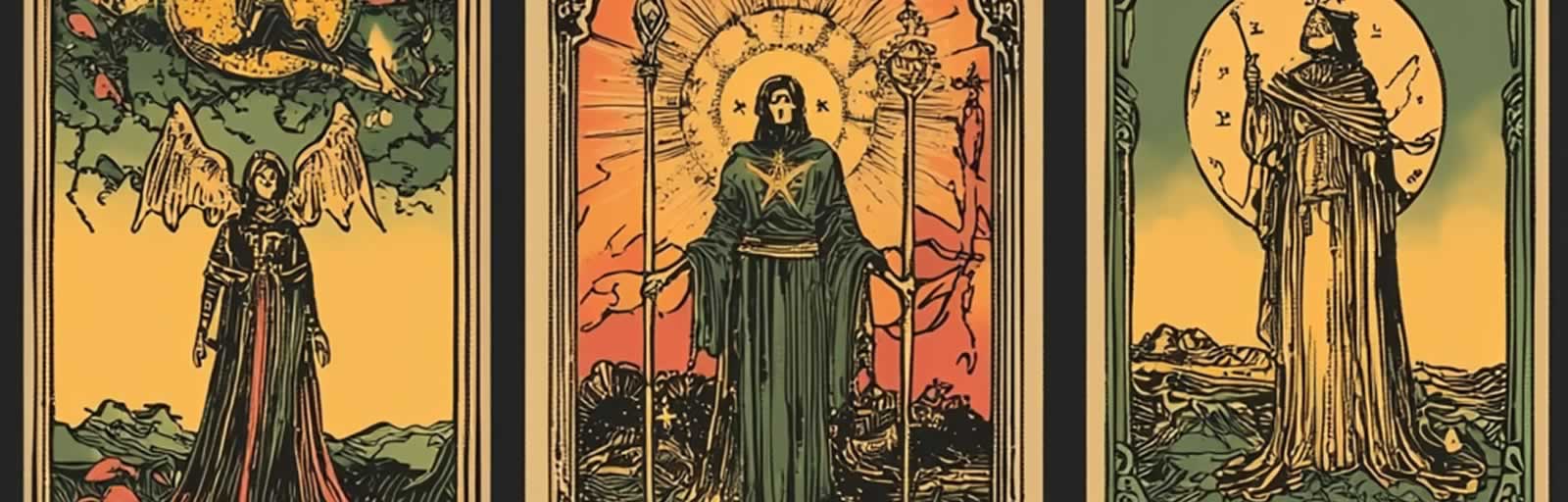
Tarot cards are filled with layers of symbolism. From ancient iconography to specific colors, every detail carries a deeper meaning. When you look at a tarot card, you’re not just seeing a simple image; you’re viewing a world of hidden messages and connections that shape interpretations. By understanding the symbols, colors, and imagery on each card, you can unlock deeper insights during readings. Let’s dive into the rich visual language of tarot to explore how symbolism transforms simple images into profound metaphors.
The Role of Symbols in Tarot Cards
Symbols are the heart of tarot. Each card in a tarot deck is filled with symbols that serve as visual cues for interpretation. These symbols, whether they’re animals, objects, or abstract shapes, act as shorthand for deeper truths. When you see an image like the lion on the Strength card or the tower struck by lightning in The Tower card, these are more than just illustrations—they represent concepts, emotions, and energies.
For instance, the lion in the Strength card is a classic symbol of power and courage. But it’s not just about physical strength. The lion represents inner strength, taming our primal urges, and having patience and compassion for oneself and others. In contrast, the tower symbolizes sudden change, chaos, or upheaval. The structure crumbling down suggests that foundations are being shattered, forcing you to rebuild on stronger ground.
Many tarot symbols are derived from ancient sources, including astrology, mythology, and alchemy. For example, The Magician card often depicts a lemniscate (the infinity symbol) above the figure’s head. This symbol, which dates back to ancient Greece, represents infinite potential and the eternal nature of the universe. When interpreting tarot, recognizing and understanding these symbols gives you a powerful tool to uncover layered meanings.
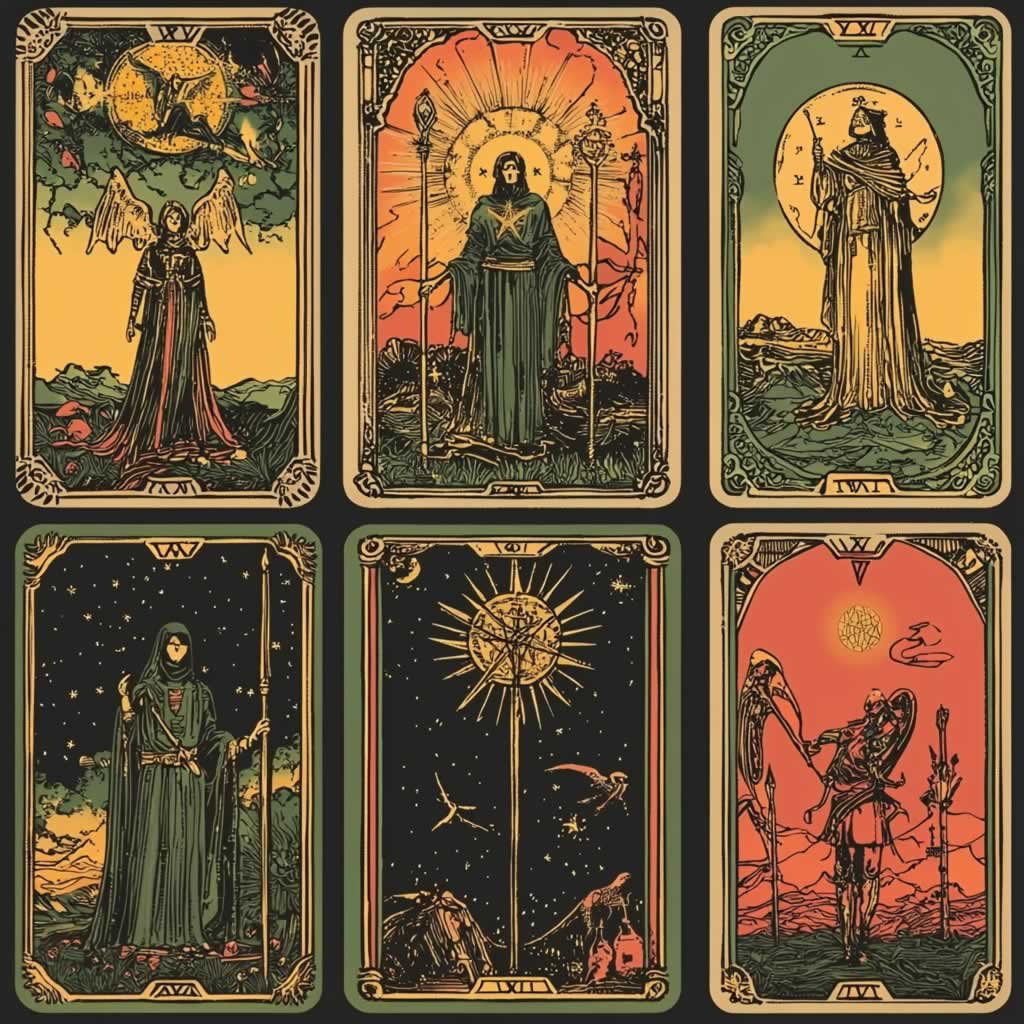
Key Tarot Symbols and Their Meanings
To further explore the significance of symbols in tarot, let’s break down a few of the most common and potent symbols seen across various cards:
- The Sun: Appearing in multiple cards, including The Sun and The Fool, this symbol represents clarity, vitality, and success. It’s often linked with optimism and the pursuit of joy. In tarot, the sun illuminates hidden truths, allowing you to see things clearly.
- The Moon: The moon, found on cards like The Moon and The High Priestess, is a symbol of intuition, mystery, and the subconscious mind. It suggests that not all is as it seems, urging you to trust your inner voice and look beyond surface appearances.
- Swords: Often appearing in the suit of Swords, the image of a sword represents thought, intellect, and conflict. Swords cut both ways—they can symbolize clarity and truth but also strife, arguments, and mental challenges.
- The Tower: This well-known symbol of destruction and upheaval can initially be alarming. It’s found in The Tower card and represents sudden, unexpected events that shake the foundation of your life. The lightning bolt striking the tower indicates forces beyond your control, often leading to drastic, life-changing transformations.
- The Wheel of Fortune: This symbol, depicted on The Wheel of Fortune card, conveys the cycles of life, karma, and destiny. The turning of the wheel reminds you that life is in constant flux. What goes up must come down, and vice versa.
- Water: Seen in many cards like The Star, The Moon, and the suit of Cups, water symbolizes emotions, intuition, and the unconscious mind. The presence of water often indicates a time for emotional reflection or suggests that emotions are playing a key role in the situation at hand.
Each symbol in tarot, whether minor or major, contributes to the overall message of the card. By breaking down the meaning of these symbols, you can uncover deeper insights and gain a more nuanced understanding of a tarot spread.
The Importance of Colors in Tarot Cards
Color is another critical element in tarot. Every color in the tarot deck has been intentionally chosen to convey emotion, mood, and meaning. Just like symbols, the colors in tarot provide clues to the energy and message of the card.
Here’s a closer look at the most significant colors in tarot and their meanings:
- Red: Red represents passion, action, and vitality. It’s a bold, intense color that often signifies movement, drive, and sometimes even anger or aggression. In cards like The Lovers or The Devil, red can represent strong desires and raw emotions.
- Blue: Blue, on the other hand, is associated with calm, communication, and intuition. It’s often linked to emotional clarity and spiritual wisdom. In The High Priestess card, blue represents a deep connection to the subconscious and a calm, meditative state.
- Yellow: Symbolizing optimism, intellect, and enlightenment, yellow is a color that speaks of clarity, understanding, and happiness. It’s the color of The Sun card, suggesting positivity, growth, and the power of the conscious mind.
- White: White is the color of purity, innocence, and spirituality. Often seen in cards like The Fool or The Hermit, it suggests a blank slate, a fresh start, or divine guidance. It’s often associated with higher spiritual truths.
- Black: Representing mystery, the unknown, and sometimes fear, black can symbolize the darker aspects of life and the subconscious. It is not always negative, however; in some cases, black represents protection or the deep inner work of shadow integration, as seen in cards like The Death card or The Moon.
- Green: Green, as you might expect, is connected to nature, growth, and fertility. It also represents healing and abundance. In The Empress card, green signifies a fertile environment for creation, growth, and nurturing.
Colors in tarot work to set the tone and help the reader tune into the energy of the card. By paying attention to the dominant colors in a spread, you can gain insight into the emotional and energetic landscape of a reading.
The Power of Imagery in Tarot
Tarot imagery is where the magic of the cards truly comes to life. Each card’s composition, the relationship between the symbols, and the background details create a visual narrative. The images on tarot cards aren’t just static; they tell stories. Whether it’s the clear blue sky on The Fool card signaling a sense of freedom and potential, or the dark, ominous clouds on The Tower card suggesting turmoil and upheaval, these images are critical to understanding the card’s full meaning.
The imagery in tarot often draws from rich traditions of mythology, religion, and folklore. For example, The Lovers card often depicts a scene reminiscent of the biblical Garden of Eden. The figures stand before a tree with a snake, suggesting temptation, choice, and moral dilemmas. Similarly, The Chariot card, which depicts a figure steering a chariot pulled by two sphinxes, has connections to ancient Egyptian symbolism and the balance of opposing forces.
The imagery is also where you’ll find the most nuanced layers of meaning. For example, in The Star card, the figure is often depicted pouring water from two jugs—one into a pool and one onto the ground. This image represents balance, the flow of emotions, and the connection between the conscious and unconscious. It’s a subtle but powerful metaphor for healing and renewal.
You might also notice that some tarot cards, like the Five of Pentacles, tell stories of struggle and hardship. In this card, the image of two figures walking through the snow outside a church window suggests themes of poverty, isolation, and spiritual lack. However, the church window in the background represents hope and sanctuary. By paying attention to these details, you can understand not just the immediate meaning of the card, but also the deeper message of hope, endurance, or potential healing.
Reading Tarot Imagery Holistically
When analyzing tarot imagery, it’s crucial to read the card as a whole, rather than focusing solely on individual elements. The composition of the image, the positioning of the figures, and the relationship between symbols all contribute to the card’s interpretation.
Consider The Empress card. In many tarot decks, The Empress sits surrounded by nature, often with a river or wheat fields around her. She may be depicted holding a scepter, symbolizing her power and authority. The surrounding nature imagery, such as the lush trees and flowing water, represents fertility, abundance, and creativity. Her placement in the center of this natural setting suggests that she is in harmony with the earth, a source of nurturing and growth.
Likewise, in The Hanged Man card, the figure hangs upside down from a tree, with one leg crossed over the other. The tree symbolizes the axis mundi, or world tree, a connection between heaven and earth. The Hanged Man’s inverted position suggests a change in perspective, an unconventional approach, or surrender to a higher power. By examining the imagery holistically, you see that this card is not just about physical suspension; it’s about spiritual enlightenment and the need to pause and reflect.
The way figures are positioned in the imagery also matters. For example, if a figure faces left, it could signify looking toward the past, while a figure facing right may indicate moving forward or embracing the future. Paying attention to these directional cues can enhance your understanding of a card’s narrative.
The Impact of Archetypes in Tarot Imagery
Archetypes play a significant role in tarot imagery. These are universal symbols and themes that resonate across cultures and time periods. Carl Jung, a famous psychologist, identified archetypes as patterns of behavior or themes that are common in myths, stories, and dreams. In tarot, archetypes serve as templates for human experiences and the journeys of the soul.
Many tarot cards are associated with specific archetypes. For instance, The Fool is the archetype of the innocent adventurer, stepping into the unknown with faith and optimism. The High Priestess represents the archetype of the wise woman or oracle, embodying intuition and hidden knowledge. The Emperor is the archetype of authority and structure, symbolizing leadership and control.
These archetypal figures tap into universal human experiences, making the cards relatable on a deep, subconscious level. When interpreting tarot cards, recognizing the archetype represented in the card helps connect the imagery to broader life themes, such as personal growth, decision-making, or spiritual transformation.
Understanding Tarot’s Symbolic Landscapes
The landscapes depicted in tarot cards are rich with symbolism. Whether it’s the open field of The Fool or the turbulent waters of the Six of Swords, the background of a card can reveal much about its emotional and spiritual tone.
For instance, mountains in tarot are often a symbol of challenges, aspiration, or spiritual ascension. In The Lovers card, the mountain between the figures suggests that challenges lie ahead, but also that there is potential for growth and overcoming obstacles. In The Hermit card, the solitary figure standing on top of a mountain signifies wisdom gained through introspection and isolation.
Water in tarot, as previously mentioned, often symbolizes emotions and the unconscious mind. When water appears calm, like in The Ace of Cups, it suggests peaceful emotions or new beginnings in love and relationships. However, turbulent water, as seen in cards like The Eight of Cups, can represent emotional challenges or transitions.
Desert landscapes, like those found in The Magician card, symbolize the barren and harsh conditions of spiritual or creative emptiness, but also the potential for growth and creation out of nothingness.
By interpreting these symbolic landscapes, you can gain a deeper understanding of the emotional and spiritual messages embedded within the cards.
Conclusion
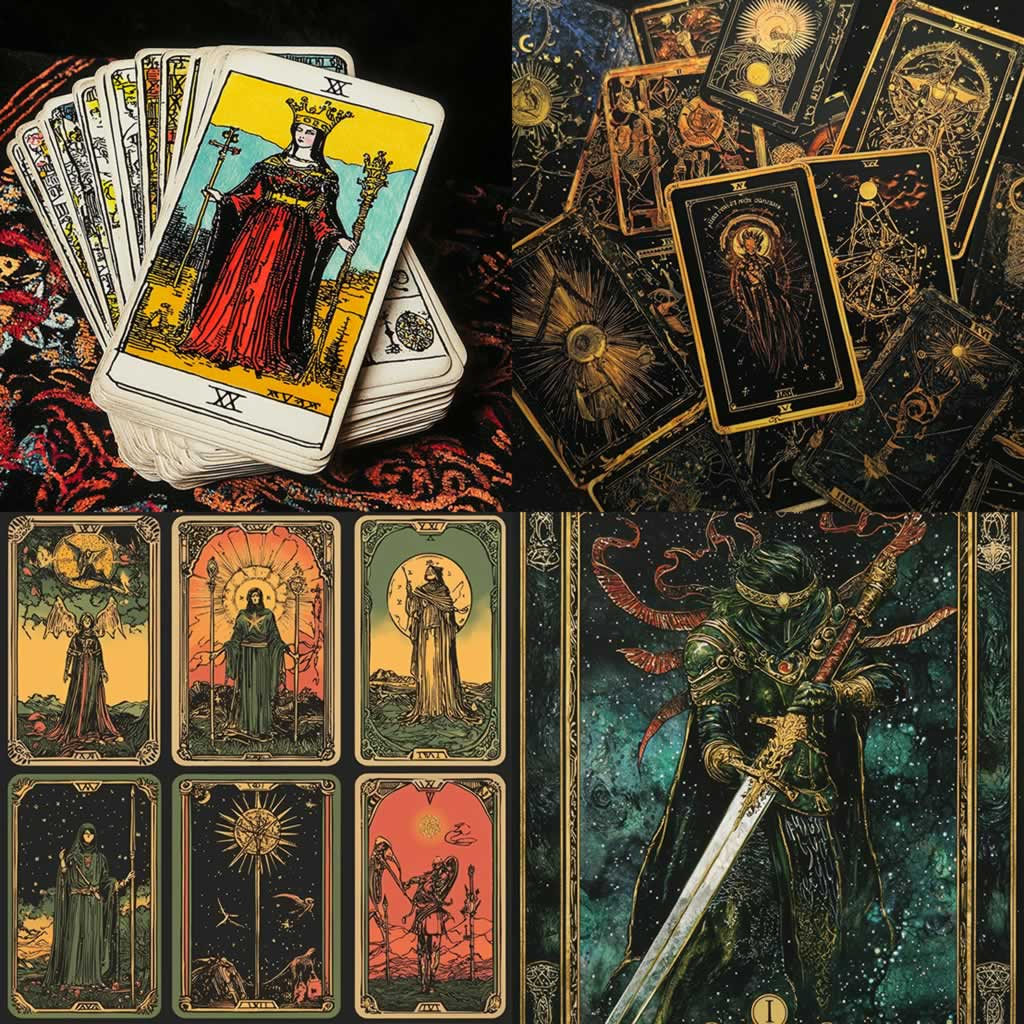
The symbols, colors, and imagery in tarot cards are powerful tools that enrich your readings. By paying close attention to these details, you can unlock the profound messages hidden within each card. Symbols offer universal truths, colors shape the emotional tone, and the imagery tells stories of human experience and spiritual growth.
Tarot, at its core, is a visual language that invites you to look beyond the surface and explore the depths of your intuition. Each card is an invitation to engage with the mysteries of life through rich symbolic meaning, guiding you on your personal journey of discovery and enlightenment.
View our Live Telephone Psychic Readers
Images by Carl Burness
SHARE THIS POST WITH YOUR FRIENDS:
Read further posts:
Jun. 15, 2026
Healing from Burnout Using Spiritual Frameworks
Jun. 08, 2026
How to Track Moon Phases for Personal Transformation
Jun. 04, 2026
Daily Energy Protection Practices for Highly Sensitive People
May. 26, 2026
Working with Spirit Animals: Meaning and Connection
May. 20, 2026
How to Create Your Own Personalized Tarot Spreads
May. 13, 2026
The Role of the Subconscious in Psychic Development
May. 05, 2026
How to Clear Your Aura After Challenging Interactions
Apr. 29, 2026
Tarot and Seasonal Rituals: Aligning Readings with the Earth Cycle
Apr. 21, 2026
The Difference Between Intuition and Ego: How to Tell Them Apart
Apr. 14, 2026
How to Develop Clairaudience (Psychic Hearing): Signs & Exercises
Apr. 07, 2026
How to Read Tarot for Children or Teens
Apr. 01, 2026
How to Recognise and Interpret Synchronicities in Daily Life
Mar. 24, 2026
Late-Night Psychic Phone Readings for Australians Who Need Guidance Now
Mar. 14, 2026
Why Australians Are Choosing UK Psychic Phone Readings for Spiritual Guidance
Mar. 11, 2026
Understanding and Using Sacred Geometry in Healing
Mar. 02, 2026
Using Tarot for Emotional Healing After Trauma
Feb. 23, 2026
Shadow Work for Spiritual Growth: A Step-by-Step Guide
Feb. 17, 2026
Signs from Loved Ones Who’ve Passed On: What to Look for
Feb. 10, 2026
Manifesting Love: How to Use New Age Tools—Tarot, Crystals, Affirmations
Feb. 03, 2026
Mindful Eating & Spirituality: Does What You Eat Affect Your Energy?

Jan. 28, 2026
How Psychic Readings Can Help in Business & Career Decisions
Jan. 20, 2026
How Psychic Readings Can Help with Grief
Jan. 13, 2026
How to Use Tarot Spreads: Daily, Weekly & Special Purposes
Jan. 06, 2026
Spiritual Significance of Dreams: Lucid Dreaming, Nightmares, and Recurring Dreams
Dec. 30, 2025
How to Create a Sacred Space at Home: Altars, Smudging, Candles, and More
Dec. 19, 2025
A Wellbeing guide for enjoying Christmas
Dec. 16, 2025
Using Colour & Journalling for Spiritual Growth
Dec. 09, 2025
Signs of Psychic Intuition: How to Recognize Yours
Dec. 03, 2025
What to Ask During a Psychic Reading: 10 Good Questions
Nov. 26, 2025
How to Connect with Your Spirit Guides or Angels
Nov. 18, 2025
Understanding Energy Healing: Chakras, Auras, Reiki, and More
Nov. 12, 2025
Using Aromatherapy Oils to Reduce Stress & Anxiety
Nov. 06, 2025
How Crystals Can Support Emotional Wellbeing: Science or Spirituality?

Oct. 29, 2025
Sound Healing: Using Singing Bowls, Drums & Music for Relaxation
Oct. 23, 2025
Spiritual Tools Every New Age Beginner Should Own
Oct. 14, 2025
How to Use Dreamcatchers & Wind Chimes to Improve Sleep & Energy
Oct. 08, 2025
How to Use Incense and Smudge Sticks for Space Cleansing
Sep. 30, 2025
Moon Rituals: How to Use the New Moon and Full Moon to Reset
Sep. 25, 2025
A Beginner’s Guide to Astrology: Sun, Moon & Rising Signs
Sep. 16, 2025
Tarot Cards 101: Meaning of Major & Minor Arcana
Sep. 10, 2025
The Power of Gratitude in Elevating Your Energy and Awareness

Sep. 01, 2025
Understanding the Role of the Ego in Your Spiritual Path
Aug. 26, 2025
How to Work With Crystals for Emotional and Spiritual Wellness
Aug. 19, 2025
Balancing the Chakras: A Practical Guide for Beginners
Aug. 13, 2025
How to Create a Sacred Space at Home for Daily Reflection | Simple Steps for Peace & Mindfulness
Aug. 05, 2025
Beginner’s Guide to Meditation for Spiritual Growth
Jul. 29, 2025
Yoga as a Spiritual Practice: More Than Just Flexibility

Jul. 23, 2025
The Role of Nutrition in Spiritual Clarity and Energy
Jul. 17, 2025
How to Create a Daily Wellness Routine That Feeds the Soul
Jul. 11, 2025
The Connection Between Mindfulness and Physical Health
Jul. 03, 2025
Signs You’re Experiencing a Spiritual Awakening
Jun. 25, 2025
Are You an Empath? 7 Psychic Signs You Might Be an Empath
Jun. 18, 2025
Psychic Readings vs. Tarot Cards: What’s the Difference?

Jun. 11, 2025
How a Psychic Reading Can Help You Heal After a Breakup
Jun. 04, 2025
Can a Psychic Help You Find Your Soulmate?
May. 28, 2025
The Most Common Love Questions People Ask Psychics
May. 20, 2025
What Your Favorite Color Reveals About Your Aura
May. 14, 2025
The Spiritual Meaning Behind Recurring Dreams
May. 07, 2025
What Your Love Life Says About Your Energy Field

Apr. 28, 2025
Should You Ask a Psychic About Your Ex?

Apr. 22, 2025
Top 7 Benefits of Getting a Psychic Reading by Phone

Apr. 16, 2025
Lifestyle and Health

Apr. 08, 2025
What to Expect During Your First Psychic Phone Reading

Apr. 01, 2025
Mindfulness for Beginners: A Step-by-Step Guide to Living in the Present
Mar. 25, 2025
Using Essential Oils for Emotional and Spiritual Well-Being
Mar. 19, 2025
Understanding Karma: How Your Actions Shape Your Spiritual Path
Mar. 10, 2025
The Role of Mercury Retrograde in Personal Transformation
Mar. 03, 2025
How Meditation Can Help You Manifest Your Dreams
Feb. 24, 2025
Astrology for Healing: How the Planets Influence Your Energy
Feb. 18, 2025
Energy Healing Explained: What Is Reiki and How Does It Work?
Feb. 10, 2025
Breaking Through Limiting Beliefs: A Spiritual Approach to Self-Healing
Feb. 03, 2025
The Magic of Sacred Plants: Spiritual Benefits of Herbal Teas and Remedies
Jan. 29, 2025
Stargazing for the Soul: Finding Inspiration in the Night Sky
Jan. 21, 2025
The Science of Synchronicity: How to Recognize Spiritual Signs in Everyday Life
Jan. 17, 2025
Channeling and Spirit Guides: How to Connect with Higher Wisdom
Jan. 14, 2025
Soulmates and Twin Flames: How to Recognize Spiritual Connections
Jan. 09, 2025
The Spiritual Lessons of the Seasons: Finding Balance in Change
Jan. 06, 2025
How to Align Your Chakras for Balance and Harmony
Jan. 02, 2025
Awakening Your Higher Self: 7 Practices to Raise Your Vibrational Energy
Dec. 29, 2024
The Law of Attraction Explained: How to Manifest Your Ideal Life
Dec. 20, 2024
Harnessing the Power of the Moon for Personal Growth
Dec. 18, 2024
The Art of Journaling for Spiritual Growth: 5 Techniques to Deepen Your Practice
Dec. 15, 2024
How to Perform a Full Moon Ritual for Releasing Negativity
Dec. 12, 2024
Sacred Smudging: How to Cleanse Your Space with Sage and Palo Santo
Dec. 09, 2024
The Power of Affirmations: Transform Your Life with Positive Energy

Dec. 05, 2024
Sacred Spaces: Creating a Meditation Room at Home
Dec. 03, 2024
Grounding Techniques: How to Connect with Earth Energy Daily
Nov. 29, 2024
The Healing Power of Sound: Exploring Singing Bowls and Mantras
Nov. 26, 2024
Forest Bathing: Reconnecting with Nature for Spiritual Healing
Nov. 23, 2024
The Spiritual Meaning of a Morning Ritual: How to Start Your Day with Purpose
Nov. 19, 2024
Psychic Guides and Personal Transformation: From Doubt to Belief
Nov. 13, 2024
Psychic Guides and the Power of Gratitude: Cultivating Positivity
Nov. 09, 2024
Timing with Tarot: Using Tarot to Predict Timelines and Events
Nov. 04, 2024
Tarot and Dream Interpretation: Using Tarot to Decipher Dream Symbols
Oct. 30, 2024
Tarot and the Chakras: Combining Tarot with Chakra Energy Work
Oct. 25, 2024
Tarot Ethics: Guidelines for Ethical Tarot Reading and Consulting
Oct. 22, 2024
Tarot Rituals: Incorporating Tarot into Meditation and Spiritual Practices
Oct. 03, 2024
Reversed Cards: Interpreting Reversed or Inverted Tarot Cards
Sep. 30, 2024
Symbolism in Tarot: Analyzing Symbols, Colors, and Imagery in Cards
Sep. 27, 2024
Understanding Dream Interpretation Through Psychic Readings
Sep. 24, 2024
Can Psychic Readings Help You Make Career Decisions?
Sep. 22, 2024
How Psychic Readings Can Help You Find Love and Improve Relationships
Sep. 18, 2024
How Psychic Readings Can Offer Guidance During Difficult Times
Sep. 15, 2024
Why Energy Readings Can Help You Clear Blocks and Move Forward
Sep. 11, 2024
Psychic Guides and Empathy: Nurturing Your Empathic Abilities

Sep. 08, 2024
Mindfulness and Meditation: Benefits, Techniques, and How to Get Started with Mindfulness and Meditation Practices
Sep. 02, 2024
Positive Psychology: Techniques for Fostering a Positive Mindset and Increasing Happiness
Aug. 28, 2024
Psychic Guides and Psychic Mediums: Bridging the Spiritual Gap
Aug. 20, 2024
Building a Support Network: Importance of Having a Strong Social Support System and Tips for Building One
Aug. 13, 2024
Self-Care Routines: Ideas for Incorporating Self-Care into Daily Life
Aug. 07, 2024
Psychic Mediumship: Connecting with Loved Ones on the Other Side
Aug. 02, 2024
Psychic Predictions: What to Expect and How to Interpret Them
Jul. 30, 2024
Psychic Readings for Career Guidance: Finding Your True Calling
Jul. 25, 2024
Building Resilience: How to Develop Resilience and Cope with Life’s Challenges
Jul. 22, 2024
Dream Interpretation: Unveiling the Messages from Your Subconscious
Jul. 18, 2024
The History of Psychic Readings: From Ancient Times to Modern Practices
Jul. 16, 2024
Psychic Development: Cultivating Your Intuition
Jul. 12, 2024
Nature and Wellbeing: The Benefits of Spending Time in Nature and How to Incorporate It into Daily Life
Jul. 09, 2024
Managing Anxiety and Stress: Tips and Techniques for Coping with Anxiety and Stress, Especially in the Workplace or During Major Life Changes
Jul. 05, 2024