





0
In Cart
Exploring Alternative Therapies for Enhancing Wellbeing, Such as Acupuncture or Aromatherapy
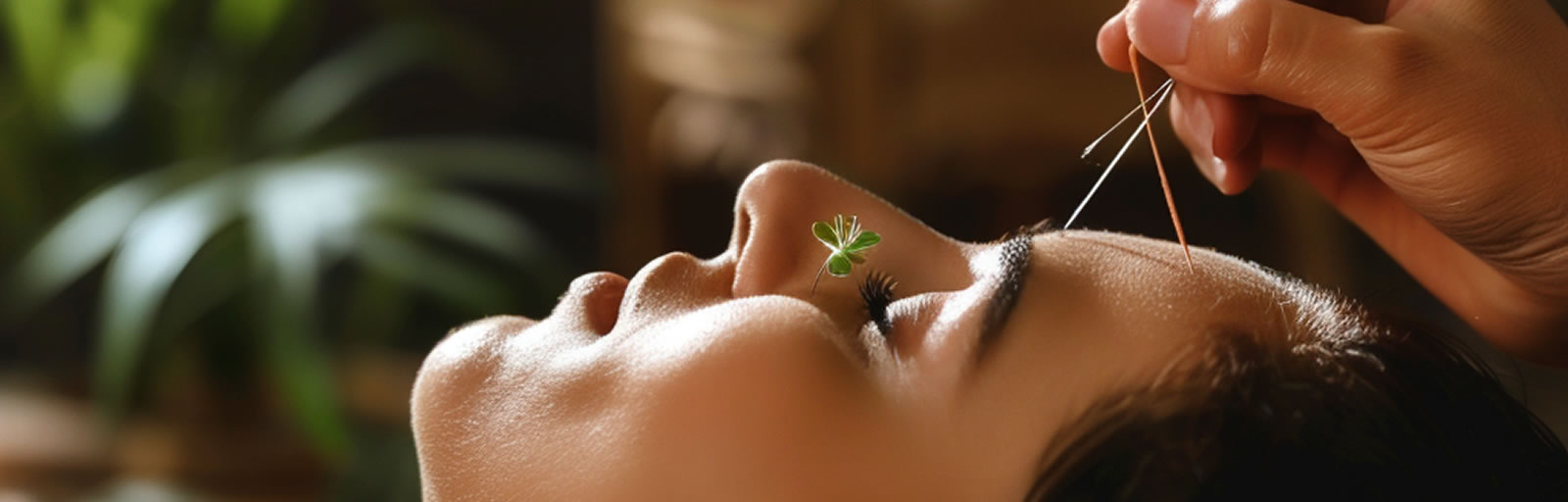
In the quest for better health and overall wellbeing, many people are turning to alternative therapies like acupuncture and aromatherapy. These therapies offer natural, holistic approaches to wellness, tapping into ancient traditions and modern research to provide benefits without the side effects often associated with conventional treatments. Here, you’ll dive deep into what these therapies entail, their benefits, and how they can fit into your lifestyle.
Acupuncture: Balancing Energy for Better Health
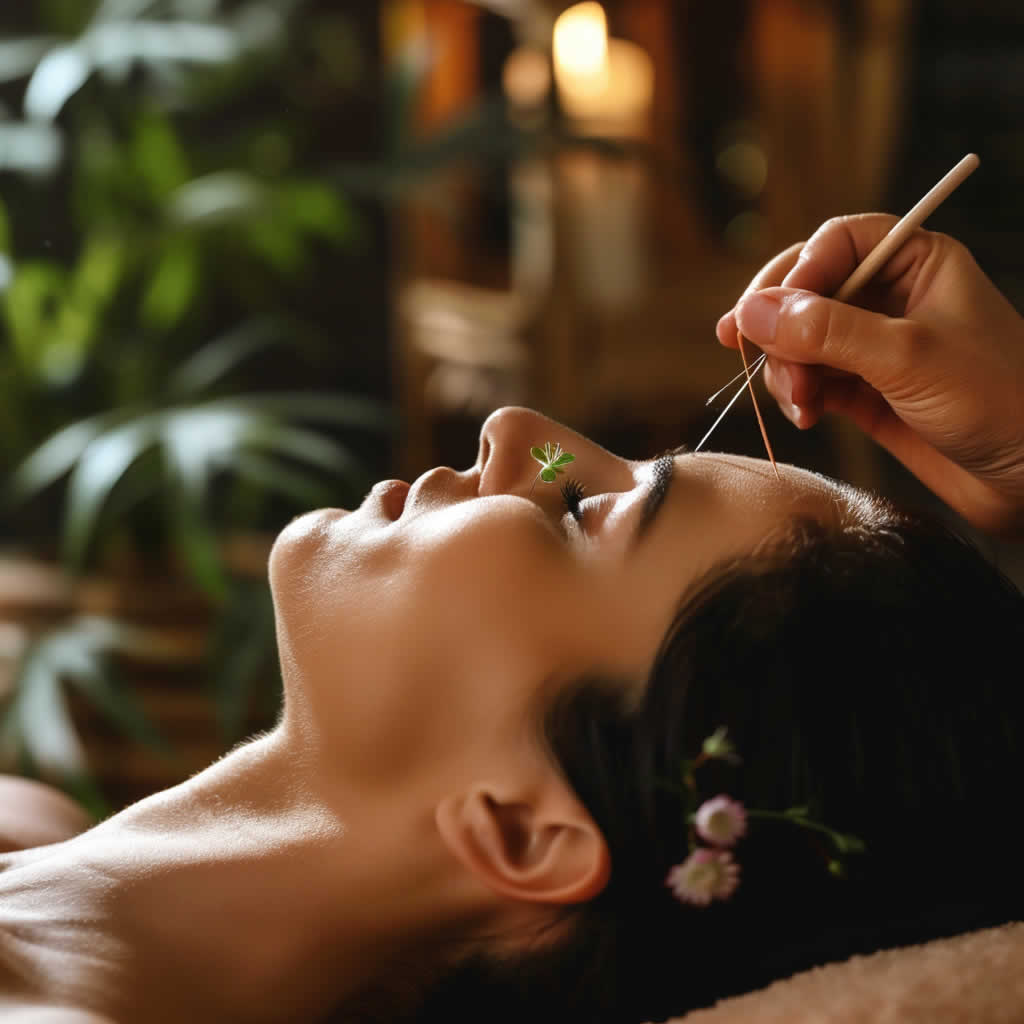
Acupuncture, an ancient practice rooted in Traditional Chinese Medicine (TCM), involves inserting thin needles into specific points on your body. These points, known as acupoints, are believed to be connected by pathways or meridians through which your body’s vital energy, or qi (pronounced “chee”), flows.
How Acupuncture Works
The primary goal of acupuncture is to balance the flow of qi. Disruptions or imbalances in this energy flow can lead to illness and discomfort. By stimulating specific acupoints, acupuncture aims to restore balance and promote natural healing.
Benefits of Acupuncture
- Pain Relief: One of the most common reasons people try acupuncture is to alleviate pain. Research has shown that acupuncture can be effective in reducing chronic pain conditions like back pain, arthritis, and migraines. A 2012 study published in the Archives of Internal Medicine found that acupuncture is effective for treating chronic pain and is a reasonable referral option for patients seeking alternative treatments.
- Stress Reduction: Acupuncture can help reduce stress by promoting relaxation and improving overall mental wellbeing. It triggers the release of endorphins and helps lower cortisol levels, which are often elevated in people experiencing stress.
- Improved Sleep: Regular acupuncture treatments can help improve sleep quality by addressing underlying issues like stress, anxiety, and hormonal imbalances.
- Boosted Immune System: Acupuncture can enhance the immune system by increasing the production of white blood cells and improving overall circulation, helping your body fight off illnesses more effectively.
- Digestive Health: Acupuncture can aid in regulating digestive functions, making it beneficial for conditions like irritable bowel syndrome (IBS) and acid reflux.
What to Expect During an Acupuncture Session
Your first acupuncture session will likely start with a thorough consultation where the practitioner will ask about your medical history, lifestyle, and specific health concerns. This helps them tailor the treatment to your unique needs.
During the treatment, you will lie comfortably on a treatment table while the practitioner inserts the needles. You might feel a slight tingling or pressure, but it should not be painful. Sessions typically last between 30 to 60 minutes, and many people find them relaxing.
Aromatherapy: Harnessing the Power of Essential Oils
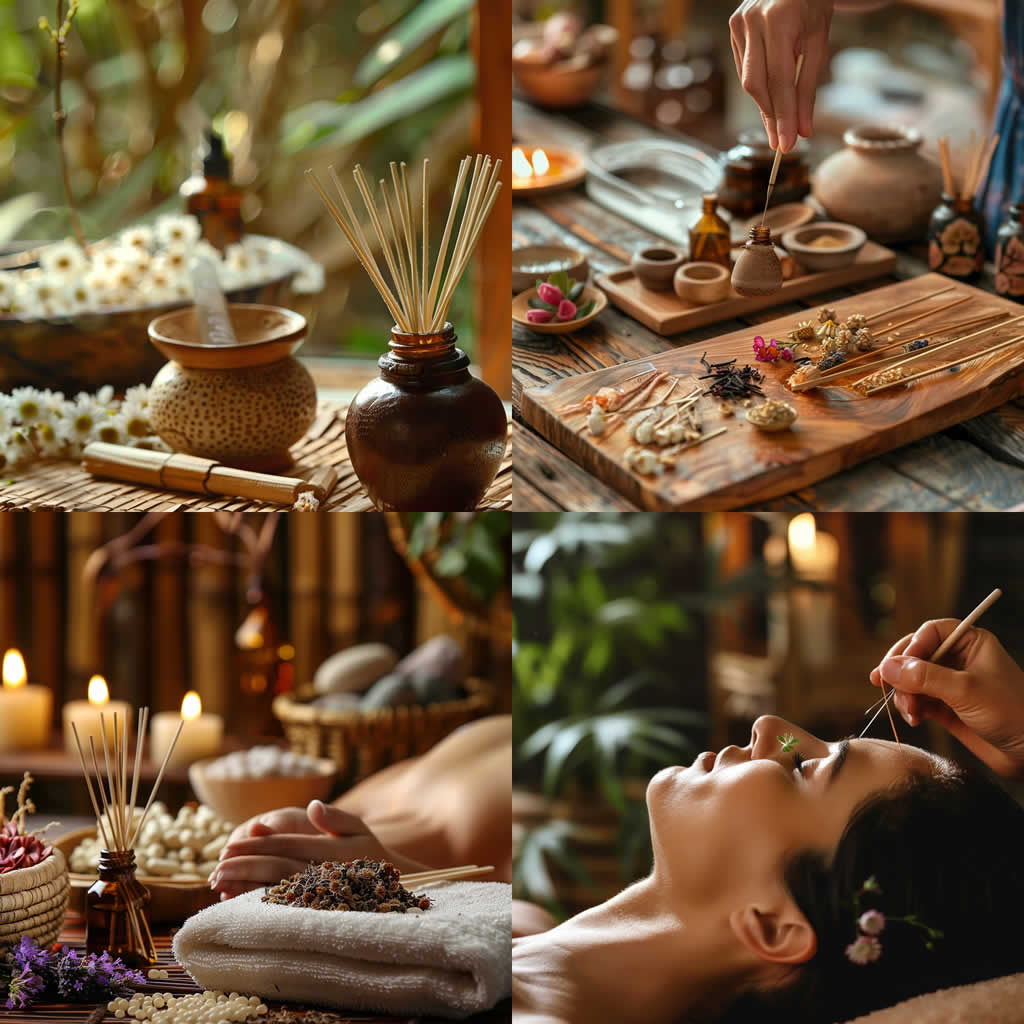
Aromatherapy, another popular alternative therapy, uses essential oils extracted from plants to improve physical and emotional wellbeing. These oils can be inhaled, applied topically, or used in diffusers to create a therapeutic environment.
How Aromatherapy Works
Essential oils contain active compounds that can affect your brain and body. When you inhale these oils, they interact with the olfactory system and can influence brain function by triggering responses in the limbic system, the part of your brain involved in emotions, behaviors, and long-term memory.
Benefits of Aromatherapy
- Stress and Anxiety Relief: Certain essential oils like lavender, chamomile, and bergamot have calming properties that can help reduce stress and anxiety. A 2013 study published in Evidence-Based Complementary and Alternative Medicine found that aromatherapy can significantly reduce anxiety levels in patients undergoing medical procedures.
- Enhanced Mood and Energy: Aromatherapy can also boost your mood and energy levels. Citrus oils like orange, lemon, and grapefruit are known for their uplifting and energizing effects.
- Better Sleep: Essential oils like lavender and cedarwood can promote better sleep by creating a calming environment and helping you relax before bedtime.
- Pain Management: Some essential oils have anti-inflammatory and analgesic properties that can help reduce pain. Peppermint and eucalyptus oils, for instance, are commonly used to alleviate headaches and muscle pain.
- Improved Cognitive Function: Aromatherapy can enhance cognitive function and concentration. Rosemary oil, in particular, has been shown to improve memory and alertness.
How to Use Aromatherapy
There are several ways to incorporate aromatherapy into your routine:
- Diffusion: Use an essential oil diffuser to disperse the oils into the air, allowing you to inhale them and experience their benefits throughout the day.
- Topical Application: Dilute essential oils with a carrier oil like coconut or jojoba oil and apply them to your skin. This method is effective for targeting specific areas of pain or tension.
- Inhalation: Inhale essential oils directly from the bottle or use a personal inhaler for a quick mood boost or stress relief.
- Baths: Add a few drops of essential oil to your bath for a relaxing and aromatic experience.
Combining Acupuncture and Aromatherapy
For an enhanced holistic approach, consider combining acupuncture and aromatherapy. These therapies can complement each other, providing synergistic effects that promote deeper relaxation and more comprehensive healing.
Creating a Holistic Wellness Routine
- Integrate Both Therapies: Schedule regular acupuncture sessions to maintain your body’s energy balance and address specific health concerns. At home, use aromatherapy to manage stress, improve sleep, and enhance your mood.
- Mindfulness Practices: Incorporate mindfulness practices like meditation or yoga into your routine to support the benefits of acupuncture and aromatherapy. These practices can help you stay grounded and aware of your body’s needs.
- Healthy Lifestyle Choices: Complement these therapies with healthy lifestyle choices such as balanced nutrition, regular exercise, and adequate hydration. A holistic approach to wellness involves taking care of your body and mind in a comprehensive way.
Scientific Support for Acupuncture and Aromatherapy
While acupuncture and aromatherapy have ancient roots, modern science is beginning to validate their efficacy. Numerous studies highlight their benefits and mechanisms of action.
Acupuncture Studies
- A 2017 meta-analysis published in the journal Pain showed that acupuncture is effective for chronic pain and offers a significant reduction in pain compared to no acupuncture or sham acupuncture treatments.
- Research published in the Journal of Alternative and Complementary Medicine in 2015 found that acupuncture can improve sleep quality and duration in people with insomnia.
Aromatherapy Studies
- A study in the International Journal of Nursing Practice in 2012 found that aromatherapy using lavender oil reduced anxiety and improved sleep quality in patients in intensive care units.
- Research published in the journal Molecules in 2020 highlighted the anti-inflammatory and analgesic properties of various essential oils, supporting their use in pain management.
Choosing the Right Practitioner and Products
When exploring acupuncture and aromatherapy, it’s crucial to choose qualified practitioners and high-quality products.
Finding a Licensed Acupuncturist
Look for a licensed acupuncturist with proper credentials and positive reviews. Many acupuncturists have additional training in herbal medicine, which can further enhance your treatment.
Selecting Essential Oils
Choose therapeutic-grade essential oils from reputable brands. Look for oils that are 100% pure, without additives or synthetic fragrances. Reading reviews and checking for third-party testing can help ensure you’re getting a quality product. At Healing Light the oils we sell are of high quality and are certified Pure Essential Oils, Organic Essential Oils and Aromatherapy Oils.
Safety Considerations
While acupuncture and aromatherapy are generally safe, it’s important to be aware of potential risks.
Acupuncture Safety
Ensure that your acupuncturist uses sterile, single-use needles to prevent infection. Inform them of any medical conditions or medications you are taking to avoid complications.
Aromatherapy Safety
- Dilution: Always dilute essential oils before applying them to your skin to prevent irritation or allergic reactions.
- Patch Test: Perform a patch test by applying a small amount of diluted oil to your skin and waiting 24 hours to check for any adverse reactions.
- Consultation: Consult with a healthcare provider before using essential oils, especially if you are pregnant, nursing, or have underlying health conditions.
Personalizing Your Wellness Journey
Everyone’s wellness journey is unique, and what works for one person might not work for another. Experiment with different acupuncture points, essential oils, and combinations to find what best supports your health and wellbeing.
Keeping a Wellness Journal
Maintain a wellness journal to track your experiences with acupuncture and aromatherapy. Note any changes in your physical and emotional state, pain levels, sleep quality, and overall mood. This can help you identify patterns and refine your approach.
Seeking Support
Join online communities or local groups focused on alternative therapies. Sharing experiences and advice with others can provide valuable insights and motivation.
The Future of Alternative Therapies
As interest in natural and holistic treatments continues to grow, so does research into the efficacy of alternative therapies like acupuncture and aromatherapy. Innovations in these fields may lead to new techniques and applications that further enhance their benefits.
Integrative Medicine
Integrative medicine, which combines conventional medical treatments with alternative therapies, is becoming more popular. This approach recognizes the value of holistic practices in supporting overall health and can provide a more comprehensive treatment plan.
Ongoing Research
Continued research into the mechanisms and benefits of acupuncture and aromatherapy will help validate their use and expand their applications. Staying informed about new studies and developments can help you make the most of these therapies.
Conclusion
Exploring alternative therapies like acupuncture and aromatherapy can open up new avenues for enhancing your wellbeing. These practices offer natural, holistic approaches to managing stress, pain, and various health conditions. By understanding how they work, their benefits, and how to incorporate them into your life, you can create a balanced and personalized wellness routine. Always consult with qualified practitioners and choose high-quality products to ensure safety and efficacy. As you embark on this journey, stay open to experimenting and finding what best supports your unique needs.
View our Live Telephone Psychic Readers
Images by Carl Burness
SHARE THIS POST WITH YOUR FRIENDS:
Read further posts:

Jun. 24, 2026
The Language of Symbols in Healing and Dreams

Jun. 15, 2026
Healing from Burnout Using Spiritual Frameworks

Jun. 08, 2026
How to Track Moon Phases for Personal Transformation

Jun. 04, 2026
Daily Energy Protection Practices for Highly Sensitive People

May. 26, 2026
Working with Spirit Animals: Meaning and Connection

May. 20, 2026
How to Create Your Own Personalized Tarot Spreads

May. 13, 2026
The Role of the Subconscious in Psychic Development

May. 05, 2026
How to Clear Your Aura After Challenging Interactions
Apr. 29, 2026
Tarot and Seasonal Rituals: Aligning Readings with the Earth Cycle

Apr. 21, 2026
The Difference Between Intuition and Ego: How to Tell Them Apart

Apr. 14, 2026
How to Develop Clairaudience (Psychic Hearing): Signs & Exercises

Apr. 07, 2026
How to Read Tarot for Children or Teens

Apr. 01, 2026
How to Recognise and Interpret Synchronicities in Daily Life

Mar. 24, 2026
Late-Night Psychic Phone Readings for Australians Who Need Guidance Now

Mar. 14, 2026
Why Australians Are Choosing UK Psychic Phone Readings for Spiritual Guidance

Mar. 11, 2026
Understanding and Using Sacred Geometry in Healing
Mar. 02, 2026
Using Tarot for Emotional Healing After Trauma

Feb. 23, 2026
Shadow Work for Spiritual Growth: A Step-by-Step Guide

Feb. 17, 2026
Signs from Loved Ones Who’ve Passed On: What to Look for

Feb. 10, 2026
Manifesting Love: How to Use New Age Tools—Tarot, Crystals, Affirmations

Feb. 03, 2026
Mindful Eating & Spirituality: Does What You Eat Affect Your Energy?

Jan. 28, 2026
How Psychic Readings Can Help in Business & Career Decisions

Jan. 20, 2026
How Psychic Readings Can Help with Grief
Jan. 13, 2026
How to Use Tarot Spreads: Daily, Weekly & Special Purposes

Jan. 06, 2026
Spiritual Significance of Dreams: Lucid Dreaming, Nightmares, and Recurring Dreams
Dec. 30, 2025
How to Create a Sacred Space at Home: Altars, Smudging, Candles, and More

Dec. 19, 2025
A Wellbeing guide for enjoying Christmas

Dec. 16, 2025
Using Colour & Journalling for Spiritual Growth

Dec. 09, 2025
Signs of Psychic Intuition: How to Recognize Yours

Dec. 03, 2025
What to Ask During a Psychic Reading: 10 Good Questions

Nov. 26, 2025
How to Connect with Your Spirit Guides or Angels

Nov. 18, 2025
Understanding Energy Healing: Chakras, Auras, Reiki, and More
Nov. 12, 2025
Using Aromatherapy Oils to Reduce Stress & Anxiety
Nov. 06, 2025
How Crystals Can Support Emotional Wellbeing: Science or Spirituality?
Oct. 29, 2025
Sound Healing: Using Singing Bowls, Drums & Music for Relaxation
Oct. 23, 2025
Spiritual Tools Every New Age Beginner Should Own

Oct. 14, 2025
How to Use Dreamcatchers & Wind Chimes to Improve Sleep & Energy

Oct. 08, 2025
How to Use Incense and Smudge Sticks for Space Cleansing

Sep. 30, 2025
Moon Rituals: How to Use the New Moon and Full Moon to Reset

Sep. 25, 2025
A Beginner’s Guide to Astrology: Sun, Moon & Rising Signs
Sep. 16, 2025
Tarot Cards 101: Meaning of Major & Minor Arcana

Sep. 10, 2025
The Power of Gratitude in Elevating Your Energy and Awareness

Sep. 01, 2025
Understanding the Role of the Ego in Your Spiritual Path

Aug. 26, 2025
How to Work With Crystals for Emotional and Spiritual Wellness

Aug. 19, 2025
Balancing the Chakras: A Practical Guide for Beginners
Aug. 13, 2025
How to Create a Sacred Space at Home for Daily Reflection | Simple Steps for Peace & Mindfulness

Aug. 05, 2025
Beginner’s Guide to Meditation for Spiritual Growth

Jul. 29, 2025
Yoga as a Spiritual Practice: More Than Just Flexibility

Jul. 23, 2025
The Role of Nutrition in Spiritual Clarity and Energy

Jul. 17, 2025
How to Create a Daily Wellness Routine That Feeds the Soul

Jul. 11, 2025
The Connection Between Mindfulness and Physical Health

Jul. 03, 2025
Signs You’re Experiencing a Spiritual Awakening

Jun. 25, 2025
Are You an Empath? 7 Psychic Signs You Might Be an Empath

Jun. 18, 2025
Psychic Readings vs. Tarot Cards: What’s the Difference?

Jun. 11, 2025
How a Psychic Reading Can Help You Heal After a Breakup

Jun. 04, 2025
Can a Psychic Help You Find Your Soulmate?
May. 28, 2025
The Most Common Love Questions People Ask Psychics

May. 20, 2025
What Your Favorite Color Reveals About Your Aura

May. 14, 2025
The Spiritual Meaning Behind Recurring Dreams

May. 07, 2025
What Your Love Life Says About Your Energy Field

Apr. 28, 2025
Should You Ask a Psychic About Your Ex?

Apr. 22, 2025
Top 7 Benefits of Getting a Psychic Reading by Phone

Apr. 16, 2025
Lifestyle and Health

Apr. 08, 2025
What to Expect During Your First Psychic Phone Reading

Apr. 01, 2025
Mindfulness for Beginners: A Step-by-Step Guide to Living in the Present
Mar. 25, 2025
Using Essential Oils for Emotional and Spiritual Well-Being

Mar. 19, 2025
Understanding Karma: How Your Actions Shape Your Spiritual Path

Mar. 10, 2025
The Role of Mercury Retrograde in Personal Transformation

Mar. 03, 2025
How Meditation Can Help You Manifest Your Dreams

Feb. 24, 2025
Astrology for Healing: How the Planets Influence Your Energy

Feb. 18, 2025
Energy Healing Explained: What Is Reiki and How Does It Work?

Feb. 10, 2025
Breaking Through Limiting Beliefs: A Spiritual Approach to Self-Healing
Feb. 03, 2025
The Magic of Sacred Plants: Spiritual Benefits of Herbal Teas and Remedies

Jan. 29, 2025
Stargazing for the Soul: Finding Inspiration in the Night Sky

Jan. 21, 2025
The Science of Synchronicity: How to Recognize Spiritual Signs in Everyday Life

Jan. 17, 2025
Channeling and Spirit Guides: How to Connect with Higher Wisdom

Jan. 14, 2025
Soulmates and Twin Flames: How to Recognize Spiritual Connections

Jan. 09, 2025
The Spiritual Lessons of the Seasons: Finding Balance in Change

Jan. 06, 2025
How to Align Your Chakras for Balance and Harmony

Jan. 02, 2025
Awakening Your Higher Self: 7 Practices to Raise Your Vibrational Energy

Dec. 29, 2024
The Law of Attraction Explained: How to Manifest Your Ideal Life

Dec. 20, 2024
Harnessing the Power of the Moon for Personal Growth

Dec. 18, 2024
The Art of Journaling for Spiritual Growth: 5 Techniques to Deepen Your Practice

Dec. 15, 2024
How to Perform a Full Moon Ritual for Releasing Negativity

Dec. 12, 2024
Sacred Smudging: How to Cleanse Your Space with Sage and Palo Santo

Dec. 09, 2024
The Power of Affirmations: Transform Your Life with Positive Energy

Dec. 05, 2024
Sacred Spaces: Creating a Meditation Room at Home

Dec. 03, 2024
Grounding Techniques: How to Connect with Earth Energy Daily

Nov. 29, 2024
The Healing Power of Sound: Exploring Singing Bowls and Mantras

Nov. 26, 2024
Forest Bathing: Reconnecting with Nature for Spiritual Healing

Nov. 23, 2024
The Spiritual Meaning of a Morning Ritual: How to Start Your Day with Purpose

Nov. 19, 2024
Psychic Guides and Personal Transformation: From Doubt to Belief

Nov. 13, 2024
Psychic Guides and the Power of Gratitude: Cultivating Positivity
Nov. 09, 2024
Timing with Tarot: Using Tarot to Predict Timelines and Events

Nov. 04, 2024
Tarot and Dream Interpretation: Using Tarot to Decipher Dream Symbols

Oct. 30, 2024
Tarot and the Chakras: Combining Tarot with Chakra Energy Work
Oct. 25, 2024
Tarot Ethics: Guidelines for Ethical Tarot Reading and Consulting
Oct. 22, 2024
Tarot Rituals: Incorporating Tarot into Meditation and Spiritual Practices
Oct. 03, 2024
Reversed Cards: Interpreting Reversed or Inverted Tarot Cards

Sep. 30, 2024
Symbolism in Tarot: Analyzing Symbols, Colors, and Imagery in Cards

Sep. 27, 2024
Understanding Dream Interpretation Through Psychic Readings

Sep. 24, 2024
Can Psychic Readings Help You Make Career Decisions?

Sep. 22, 2024
How Psychic Readings Can Help You Find Love and Improve Relationships

Sep. 18, 2024
How Psychic Readings Can Offer Guidance During Difficult Times

Sep. 15, 2024
Why Energy Readings Can Help You Clear Blocks and Move Forward

Sep. 11, 2024
Psychic Guides and Empathy: Nurturing Your Empathic Abilities

Sep. 08, 2024
Mindfulness and Meditation: Benefits, Techniques, and How to Get Started with Mindfulness and Meditation Practices

Sep. 02, 2024
Positive Psychology: Techniques for Fostering a Positive Mindset and Increasing Happiness

Aug. 28, 2024
Psychic Guides and Psychic Mediums: Bridging the Spiritual Gap

Aug. 20, 2024
Building a Support Network: Importance of Having a Strong Social Support System and Tips for Building One

Aug. 13, 2024
Self-Care Routines: Ideas for Incorporating Self-Care into Daily Life

Aug. 07, 2024
Psychic Mediumship: Connecting with Loved Ones on the Other Side

Aug. 02, 2024
Psychic Predictions: What to Expect and How to Interpret Them

Jul. 30, 2024
Psychic Readings for Career Guidance: Finding Your True Calling

Jul. 25, 2024
Building Resilience: How to Develop Resilience and Cope with Life’s Challenges

Jul. 22, 2024
Dream Interpretation: Unveiling the Messages from Your Subconscious

Jul. 18, 2024
The History of Psychic Readings: From Ancient Times to Modern Practices

Jul. 16, 2024
Psychic Development: Cultivating Your Intuition

Jul. 12, 2024
Nature and Wellbeing: The Benefits of Spending Time in Nature and How to Incorporate It into Daily Life

Jul. 09, 2024