





0
In Cart
Minor Arcana: Understanding the 56 Minor Cards and Their Divisions (Suits)
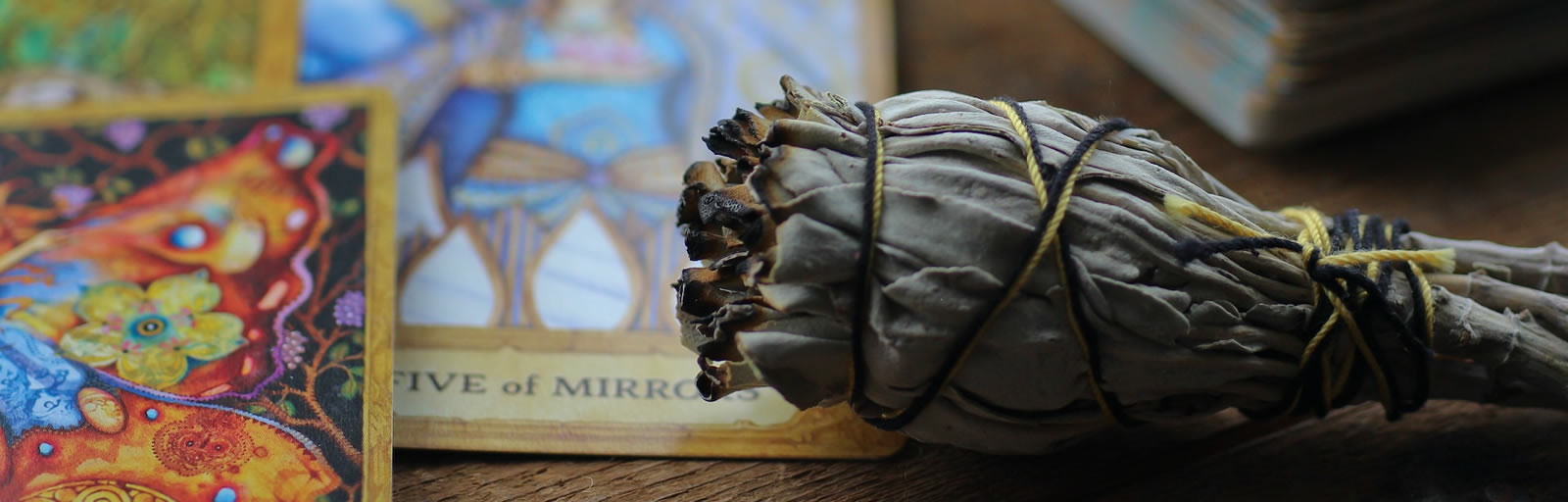
The world of Tarot is a captivating one, filled with symbolism, mysticism, and a rich tapestry of cards that have intrigued and inspired people for centuries. At the heart of the Tarot deck, alongside the Major Arcana, lies the Minor Arcana, a collection of 56 cards divided into four distinct suits. These minor cards may not carry the same weight as the Major Arcana, but they play a crucial role in Tarot readings, offering insights into everyday life, emotions, and practical matters. In this exploration, we’ll dive deep into the Minor Arcana, unraveling the secrets of its divisions, symbolism, and significance.
Demystifying the Minor Arcana
The Minor Arcana is often considered the “lesser” part of the Tarot deck, but this label doesn’t diminish its importance. These cards provide nuanced details about your life, highlighting the everyday experiences, challenges, and opportunities that shape your journey. While the Major Arcana deals with profound, life-altering forces, the Minor Arcana delves into the finer details of your existence. Let’s break down the Minor Arcana into its essential components.
1. Minor Arcana Structure
The 56 cards in the Minor Arcana are divided into four suits, each containing 14 cards. These suits are:
- Wands
- Cups
- Swords
- Pentacles (Coins)
Each suit is further divided into ten numbered cards and four court cards, consisting of the Page, Knight, Queen, and King. Together, these suits and their associated cards create a comprehensive framework for understanding the diverse aspects of human life and experience.
2. The Suits of the Minor Arcana
Let’s explore each of these suits in more detail to gain a deeper understanding of their symbolism and representation in Tarot readings.
A. Wands
The Wands, also known as Rods or Staves in some decks, represent the element of Fire. They are associated with inspiration, creativity, ambition, and spirituality. When Wands cards appear in a reading, they often signify action, passion, and the pursuit of goals.
B. Cups
Cups represent the element of Water and are linked to emotions, relationships, and matters of the heart. These cards deal with love, intuition, and the ebb and flow of feelings in our lives. They can reveal insights into your emotional well-being and relationships.
C. Swords
Swords correspond to the element of Air and symbolize thoughts, intellect, and communication. This suit often reflects challenges, conflicts, and the power of mental clarity. Swords cards can indicate the need for mental fortitude and decision-making.
D. Pentacles (Coins)
Pentacles, sometimes referred to as Coins or Disks, align with the element of Earth. They deal with material aspects of life, such as finances, career, and physical well-being. Pentacles cards offer guidance on practical matters and abundance in various forms.
3. Numbered Cards
In each suit of the Minor Arcana, there are ten numbered cards, ranging from Ace (1) to Ten. These cards convey a progression of energy and situations related to their respective suit. For example, the Ace typically represents the beginning or a new opportunity, while the Ten often signifies the culmination or completion of a cycle.
4. Court Cards
The court cards in the Minor Arcana—Page, Knight, Queen, and King—represent different personality traits and roles. They can represent actual people in your life or aspects of yourself. Here’s a brief overview of what each court card typically symbolizes:
- Page: Represents youthful energy, enthusiasm, and new beginnings.
- Knight: Signifies action, drive, and a quest for change or adventure.
- Queen: Represents maturity, nurturing, and a sense of emotional depth.
- King: Symbolizes authority, leadership, and mastery of the suit’s qualities.
Now that we’ve dissected the structure of the Minor Arcana let’s delve deeper into their symbolism and how they can offer valuable insights into your life.
The Symbolism of the Minor Arcana
The power of the Minor Arcana lies in its symbolism, and understanding these symbols is crucial for interpreting their messages accurately. Let’s explore some common themes and symbols associated with each suit.
Wands
- Wand or Staff: The central symbol of the suit represents power, growth, and creativity. It’s a tool for manifestation and action.
- Leaves and Shoots: These often appear on Wand cards, signifying the flourishing of ideas and projects.
- Salamander: A mythical creature associated with Fire, representing transformation and passion.
Cups
- Cup or Chalice: The main symbol in the Cups suit represents emotions, intuition, and receptivity.
- Water: Depicted inside the cups, symbolizing the flow of emotions and the subconscious mind.
- Fish: A recurring motif in this suit, denoting fertility, creativity, and the depth of emotions.
Swords
- Sword: The prominent symbol in the Swords suit signifies intellect, clarity, and the power to cut through confusion.
- Winged Creature: Often seen holding the sword, representing the mind’s ability to rise above challenges and gain perspective.
- Clouds: Frequently depicted in the background, symbolizing the realm of thoughts and ideas.
Pentacles (Coins)
- Pentacle or Coin: The central motif in the Pentacles suit represents material wealth, resources, and the physical world.
- Gardens or Fields: Often found on Pentacles cards, symbolizing the fruits of labor and the abundance of the earth.
- Trees: Signifying growth, stability, and the connection between the material and spiritual realms.
Interpreting the Minor Arcana
Now that we’ve covered the structure and symbolism of the Minor Arcana, let’s explore how these cards can be interpreted in a Tarot reading.
1. Numerology and Energy
The numbers on each card play a significant role in interpretation. Lower numbers (Aces to Threes) generally represent the beginning stages or potential of a situation, while higher numbers (Fours to Tens) signify progress, challenges, and outcomes. For example, the Ace of Cups may indicate the start of a new emotional journey, while the Seven of Cups might suggest a need to make choices amid various emotional possibilities.
2. Element and Suit
The elemental association of each suit provides additional context to the reading. For instance, drawing a Wand card may indicate a situation that requires passion and creativity, while a Pentacles card may suggest a focus on practical matters, such as finances or career.
3. Court Cards and Personalities
When court cards appear, they often represent individuals or personality traits. The specific card’s characteristics can provide insights into the people involved or aspects of yourself that need attention. For instance, drawing the Knight of Swords may signify someone with a sharp intellect or a need to take decisive action.
4. Card Combinations
One of the strengths of Tarot lies in its ability to tell a story through card combinations. Interpreting multiple cards together can reveal a more nuanced narrative. Consider the relationships between adjacent cards, as they can influence each other’s meanings. For instance, the combination of the Ace of Pentacles and the Queen of Cups might suggest a new opportunity in a nurturing and emotionally fulfilling career.
5. Reversed Cards
In addition to upright cards, Tarot readers often work with reversed cards, which are cards that appear upside down. Reversed cards can indicate blocked energy, delays, or challenges associated with the card’s meaning. However, the interpretation of reversed cards can vary among Tarot practitioners, so it’s essential to develop your understanding based on your intuition and the context of the reading.
Conclusion: The Minor Arcana’s Profound Significance
The Minor Arcana, often overshadowed by its more enigmatic counterpart, the Major Arcana, is a treasure trove of wisdom and guidance. These 56 cards, divided into four suits, offer insights into the intricate tapestry of everyday life, emotions, challenges, and opportunities that we all encounter. By understanding the structure, symbolism, and interpretation of the Minor Arcana, you can unlock the profound messages hidden within these seemingly modest cards.
As you continue your Tarot journey, remember that Tarot reading is both an art and a science. While the symbolism and meanings of the cards provide a framework, your intuition and connection with the cards play an equally vital role in delivering insightful and personalized readings. Whether you’re a seasoned Tarot practitioner or a curious beginner, the Minor Arcana invites you to explore the depths of your own consciousness and the intricacies of the human experience, one card at a time.
SHARE THIS POST WITH YOUR FRIENDS:
See all Tarot products for sale by following this link 🙂
View our Live Telephone Psychic Readers
Main photo by Kayla Maurais on Unsplash
Read further posts:
Jun. 15, 2026
Healing from Burnout Using Spiritual Frameworks
Jun. 08, 2026
How to Track Moon Phases for Personal Transformation
Jun. 04, 2026
Daily Energy Protection Practices for Highly Sensitive People
May. 26, 2026
Working with Spirit Animals: Meaning and Connection
May. 20, 2026
How to Create Your Own Personalized Tarot Spreads
May. 13, 2026
The Role of the Subconscious in Psychic Development
May. 05, 2026
How to Clear Your Aura After Challenging Interactions
Apr. 29, 2026
Tarot and Seasonal Rituals: Aligning Readings with the Earth Cycle

Apr. 21, 2026
The Difference Between Intuition and Ego: How to Tell Them Apart
Apr. 14, 2026
How to Develop Clairaudience (Psychic Hearing): Signs & Exercises
Apr. 07, 2026
How to Read Tarot for Children or Teens
Apr. 01, 2026
How to Recognise and Interpret Synchronicities in Daily Life

Mar. 24, 2026
Late-Night Psychic Phone Readings for Australians Who Need Guidance Now

Mar. 14, 2026
Why Australians Are Choosing UK Psychic Phone Readings for Spiritual Guidance
Mar. 11, 2026
Understanding and Using Sacred Geometry in Healing
Mar. 02, 2026
Using Tarot for Emotional Healing After Trauma

Feb. 23, 2026
Shadow Work for Spiritual Growth: A Step-by-Step Guide
Feb. 17, 2026
Signs from Loved Ones Who’ve Passed On: What to Look for
Feb. 10, 2026
Manifesting Love: How to Use New Age Tools—Tarot, Crystals, Affirmations

Feb. 03, 2026
Mindful Eating & Spirituality: Does What You Eat Affect Your Energy?

Jan. 28, 2026
How Psychic Readings Can Help in Business & Career Decisions
Jan. 20, 2026
How Psychic Readings Can Help with Grief
Jan. 13, 2026
How to Use Tarot Spreads: Daily, Weekly & Special Purposes
Jan. 06, 2026
Spiritual Significance of Dreams: Lucid Dreaming, Nightmares, and Recurring Dreams
Dec. 30, 2025
How to Create a Sacred Space at Home: Altars, Smudging, Candles, and More
Dec. 19, 2025
A Wellbeing guide for enjoying Christmas
Dec. 16, 2025
Using Colour & Journalling for Spiritual Growth
Dec. 09, 2025
Signs of Psychic Intuition: How to Recognize Yours

Dec. 03, 2025
What to Ask During a Psychic Reading: 10 Good Questions
Nov. 26, 2025
How to Connect with Your Spirit Guides or Angels
Nov. 18, 2025
Understanding Energy Healing: Chakras, Auras, Reiki, and More
Nov. 12, 2025
Using Aromatherapy Oils to Reduce Stress & Anxiety
Nov. 06, 2025
How Crystals Can Support Emotional Wellbeing: Science or Spirituality?
Oct. 29, 2025
Sound Healing: Using Singing Bowls, Drums & Music for Relaxation
Oct. 23, 2025
Spiritual Tools Every New Age Beginner Should Own
Oct. 14, 2025
How to Use Dreamcatchers & Wind Chimes to Improve Sleep & Energy
Oct. 08, 2025
How to Use Incense and Smudge Sticks for Space Cleansing
Sep. 30, 2025
Moon Rituals: How to Use the New Moon and Full Moon to Reset
Sep. 25, 2025
A Beginner’s Guide to Astrology: Sun, Moon & Rising Signs
Sep. 16, 2025
Tarot Cards 101: Meaning of Major & Minor Arcana

Sep. 10, 2025
The Power of Gratitude in Elevating Your Energy and Awareness

Sep. 01, 2025
Understanding the Role of the Ego in Your Spiritual Path

Aug. 26, 2025
How to Work With Crystals for Emotional and Spiritual Wellness
Aug. 19, 2025
Balancing the Chakras: A Practical Guide for Beginners
Aug. 13, 2025
How to Create a Sacred Space at Home for Daily Reflection | Simple Steps for Peace & Mindfulness

Aug. 05, 2025
Beginner’s Guide to Meditation for Spiritual Growth
Jul. 29, 2025
Yoga as a Spiritual Practice: More Than Just Flexibility

Jul. 23, 2025
The Role of Nutrition in Spiritual Clarity and Energy

Jul. 17, 2025
How to Create a Daily Wellness Routine That Feeds the Soul

Jul. 11, 2025
The Connection Between Mindfulness and Physical Health
Jul. 03, 2025
Signs You’re Experiencing a Spiritual Awakening

Jun. 25, 2025
Are You an Empath? 7 Psychic Signs You Might Be an Empath
Jun. 18, 2025
Psychic Readings vs. Tarot Cards: What’s the Difference?

Jun. 11, 2025
How a Psychic Reading Can Help You Heal After a Breakup
Jun. 04, 2025
Can a Psychic Help You Find Your Soulmate?
May. 28, 2025
The Most Common Love Questions People Ask Psychics

May. 20, 2025
What Your Favorite Color Reveals About Your Aura

May. 14, 2025
The Spiritual Meaning Behind Recurring Dreams
May. 07, 2025
What Your Love Life Says About Your Energy Field

Apr. 28, 2025
Should You Ask a Psychic About Your Ex?

Apr. 22, 2025
Top 7 Benefits of Getting a Psychic Reading by Phone

Apr. 16, 2025
Lifestyle and Health

Apr. 08, 2025
What to Expect During Your First Psychic Phone Reading

Apr. 01, 2025
Mindfulness for Beginners: A Step-by-Step Guide to Living in the Present
Mar. 25, 2025
Using Essential Oils for Emotional and Spiritual Well-Being
Mar. 19, 2025
Understanding Karma: How Your Actions Shape Your Spiritual Path
Mar. 10, 2025
The Role of Mercury Retrograde in Personal Transformation

Mar. 03, 2025
How Meditation Can Help You Manifest Your Dreams
Feb. 24, 2025
Astrology for Healing: How the Planets Influence Your Energy
Feb. 18, 2025
Energy Healing Explained: What Is Reiki and How Does It Work?
Feb. 10, 2025
Breaking Through Limiting Beliefs: A Spiritual Approach to Self-Healing
Feb. 03, 2025
The Magic of Sacred Plants: Spiritual Benefits of Herbal Teas and Remedies

Jan. 29, 2025
Stargazing for the Soul: Finding Inspiration in the Night Sky

Jan. 21, 2025
The Science of Synchronicity: How to Recognize Spiritual Signs in Everyday Life
Jan. 17, 2025
Channeling and Spirit Guides: How to Connect with Higher Wisdom
Jan. 14, 2025
Soulmates and Twin Flames: How to Recognize Spiritual Connections

Jan. 09, 2025
The Spiritual Lessons of the Seasons: Finding Balance in Change
Jan. 06, 2025
How to Align Your Chakras for Balance and Harmony
Jan. 02, 2025
Awakening Your Higher Self: 7 Practices to Raise Your Vibrational Energy

Dec. 29, 2024
The Law of Attraction Explained: How to Manifest Your Ideal Life

Dec. 20, 2024
Harnessing the Power of the Moon for Personal Growth
Dec. 18, 2024
The Art of Journaling for Spiritual Growth: 5 Techniques to Deepen Your Practice
Dec. 15, 2024
How to Perform a Full Moon Ritual for Releasing Negativity
Dec. 12, 2024
Sacred Smudging: How to Cleanse Your Space with Sage and Palo Santo

Dec. 09, 2024
The Power of Affirmations: Transform Your Life with Positive Energy

Dec. 05, 2024
Sacred Spaces: Creating a Meditation Room at Home

Dec. 03, 2024
Grounding Techniques: How to Connect with Earth Energy Daily

Nov. 29, 2024
The Healing Power of Sound: Exploring Singing Bowls and Mantras

Nov. 26, 2024
Forest Bathing: Reconnecting with Nature for Spiritual Healing
Nov. 23, 2024
The Spiritual Meaning of a Morning Ritual: How to Start Your Day with Purpose
Nov. 19, 2024
Psychic Guides and Personal Transformation: From Doubt to Belief
Nov. 13, 2024
Psychic Guides and the Power of Gratitude: Cultivating Positivity
Nov. 09, 2024
Timing with Tarot: Using Tarot to Predict Timelines and Events
Nov. 04, 2024
Tarot and Dream Interpretation: Using Tarot to Decipher Dream Symbols
Oct. 30, 2024
Tarot and the Chakras: Combining Tarot with Chakra Energy Work
Oct. 25, 2024
Tarot Ethics: Guidelines for Ethical Tarot Reading and Consulting
Oct. 22, 2024
Tarot Rituals: Incorporating Tarot into Meditation and Spiritual Practices
Oct. 03, 2024
Reversed Cards: Interpreting Reversed or Inverted Tarot Cards
Sep. 30, 2024
Symbolism in Tarot: Analyzing Symbols, Colors, and Imagery in Cards
Sep. 27, 2024
Understanding Dream Interpretation Through Psychic Readings

Sep. 24, 2024
Can Psychic Readings Help You Make Career Decisions?

Sep. 22, 2024
How Psychic Readings Can Help You Find Love and Improve Relationships
Sep. 18, 2024
How Psychic Readings Can Offer Guidance During Difficult Times
Sep. 15, 2024
Why Energy Readings Can Help You Clear Blocks and Move Forward
Sep. 11, 2024
Psychic Guides and Empathy: Nurturing Your Empathic Abilities

Sep. 08, 2024
Mindfulness and Meditation: Benefits, Techniques, and How to Get Started with Mindfulness and Meditation Practices

Sep. 02, 2024
Positive Psychology: Techniques for Fostering a Positive Mindset and Increasing Happiness
Aug. 28, 2024
Psychic Guides and Psychic Mediums: Bridging the Spiritual Gap

Aug. 20, 2024
Building a Support Network: Importance of Having a Strong Social Support System and Tips for Building One

Aug. 13, 2024
Self-Care Routines: Ideas for Incorporating Self-Care into Daily Life
Aug. 07, 2024
Psychic Mediumship: Connecting with Loved Ones on the Other Side
Aug. 02, 2024
Psychic Predictions: What to Expect and How to Interpret Them
Jul. 30, 2024
Psychic Readings for Career Guidance: Finding Your True Calling

Jul. 25, 2024
Building Resilience: How to Develop Resilience and Cope with Life’s Challenges

Jul. 22, 2024
Dream Interpretation: Unveiling the Messages from Your Subconscious
Jul. 18, 2024
The History of Psychic Readings: From Ancient Times to Modern Practices
Jul. 16, 2024
Psychic Development: Cultivating Your Intuition

Jul. 12, 2024
Nature and Wellbeing: The Benefits of Spending Time in Nature and How to Incorporate It into Daily Life
Jul. 09, 2024
Managing Anxiety and Stress: Tips and Techniques for Coping with Anxiety and Stress, Especially in the Workplace or During Major Life Changes
Jul. 05, 2024