





0
In Cart
Tarot Card Interpretation: Developing your Intuition and Interpretation Skills
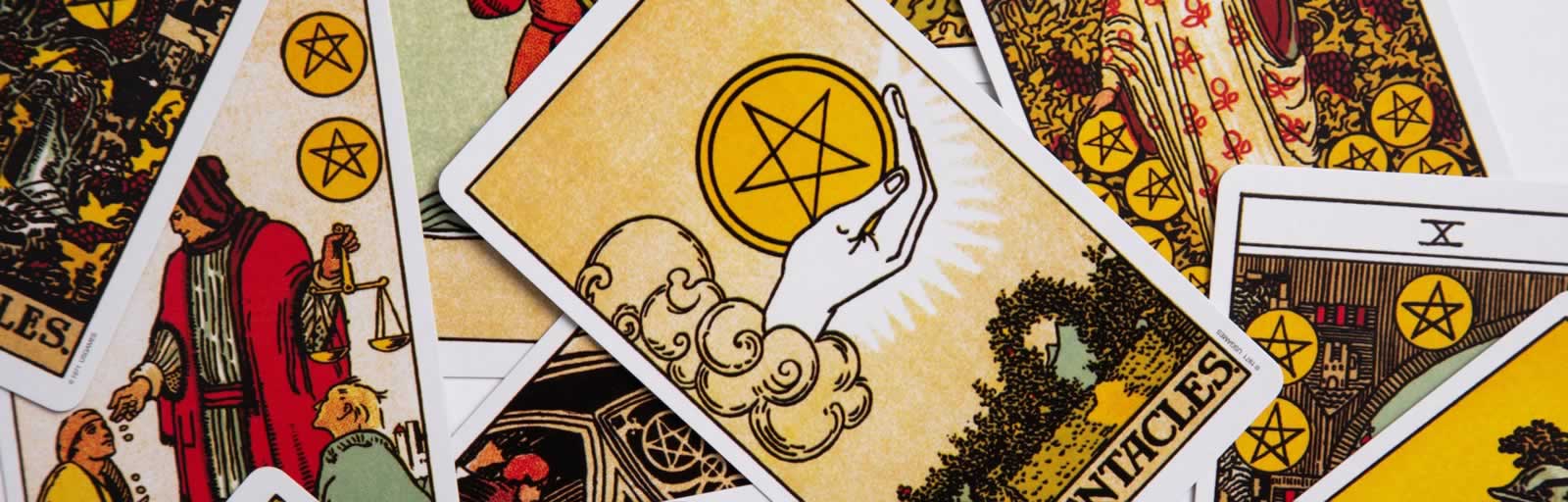
When it comes to tarot card reading, there’s much more to it than just laying out a spread of cards and reciting their meanings from a book. Tarot card interpretation is an art that requires a deep connection with your intuition and a refined skill set. In this article, we will delve into the fascinating world of tarot card interpretation, exploring how you can develop your intuition and sharpen your interpretation skills to become a proficient reader.
Trust Your Gut: The Power of Intuition
Intuition, that inner voice or feeling, plays a pivotal role in tarot card interpretation. While memorizing the meanings of each card is important, relying solely on rote knowledge won’t make you a great tarot reader. Here’s how you can harness the power of intuition:
- Quieten Your Mind: Before diving into a reading, take a moment to clear your mind. Meditation or deep breathing exercises can help you calm your thoughts and open up to your intuition.
- Connect with the Cards: Hold the cards in your hands and spend some time connecting with them. Feel their energy and allow your intuition to guide you to the right cards.
- Ask Open-Ended Questions: Instead of asking yes or no questions, ask open-ended ones that encourage your intuition to flow. For example, instead of asking, “Will I get the job?” ask, “What can I do to improve my chances of getting the job?”
- Trust Your First Impressions: When you lay out the cards, pay attention to your initial impressions. What thoughts or feelings come to you? Trust these impressions; they often hold the key to a deeper interpretation.
- Practice Regularly: Like any skill, intuition improves with practice. The more you read tarot cards, the more you’ll become attuned to your intuitive insights.
The Art of Tarot Card Interpretation
Now that you understand the importance of intuition, let’s dive into the art of tarot card interpretation. Here are some key tips to help you become a proficient interpreter:
- Start with the Basics: Begin by mastering the core meanings of each tarot card. Familiarize yourself with the symbolism, imagery, and traditional interpretations. This forms the foundation of your interpretation skills.
- Context is Key: Tarot cards don’t exist in isolation. Their meanings can change depending on the context of the reading. Consider the positions of the cards in the spread, the question asked, and the surrounding cards to paint a complete picture.
- Use Your Senses: Engage your senses when interpreting cards. Pay attention to colors, symbols, and emotions evoked by the imagery. Your senses can offer valuable insights beyond the standard meanings.
- Storytelling: Think of a tarot reading as telling a story. Each card represents a chapter or a scene. String them together coherently to create a narrative that makes sense to the querent.
- Trust Your Intuition, but Verify: While intuition is vital, it’s essential to cross-check your insights with your knowledge of the cards. Blend your intuitive hits with the traditional meanings to provide a balanced interpretation.
- Practice with Different Decks: Tarot decks come in various forms, each with its own symbolism and energy. Experiment with different decks to broaden your interpretative skills and connect with the one that resonates most with you.
- Keep a Tarot Journal: Document your readings and interpretations in a journal. This helps you track your progress, learn from your experiences, and refine your skills over time.
Common Tarot Card Interpretation Mistakes
As you embark on your journey to become a skilled tarot card reader, it’s important to be aware of common pitfalls to avoid. Here are some mistakes to steer clear of:
- Rigid Interpretation: One of the biggest mistakes is sticking too rigidly to predefined meanings. While tradition is important, it’s equally important to allow room for nuance and your intuition to shine.
- Ignoring Reversed Cards: Some readers choose to ignore reversed or upside-down cards, but they can offer valuable insights and add depth to your interpretation. Embrace the full spectrum of card orientations.
- Overcomplicating the Spread: Using complex spreads with too many cards can overwhelm both you and the querent. Start with simpler spreads and gradually work your way up as you gain confidence.
- Neglecting Card Combinations: Tarot cards don’t work in isolation. Failing to consider how cards interact with each other can lead to misinterpretations. Pay attention to card combinations and their synergy.
- Forgetting the Question: Always keep the querent’s question in mind. It’s easy to get lost in the symbolism of the cards and lose sight of the query. Ensure your interpretation directly addresses the question at hand.
Developing Your Interpretation Skills: Practice Makes Perfect
Like any skill, tarot card interpretation improves with practice. Here’s how you can fine-tune your skills:
- Daily Draws: Pull a single card daily and interpret its meaning. This short exercise helps you stay connected with your deck and enhances your intuitive abilities.
- Seek Feedback: Practice with friends or trusted individuals and ask for their feedback. Hearing different perspectives can help you refine your interpretations.
- Join Tarot Communities: Online or local tarot communities provide a platform for sharing experiences, gaining insights, and learning from seasoned readers.
- Study Symbolism: Delve deeper into the symbolism of tarot cards. Understand the historical, cultural, and esoteric meanings behind the imagery.
- Read Widely: Explore books, articles, and resources on tarot card interpretation. Learning from different sources can broaden your knowledge and approach.
- Professional Readings: Consider getting readings from professional tarot readers. Observing how they interpret cards and handle various situations can be highly educational.
The Ethics of Tarot Card Interpretation
As you progress in your tarot card reading journey, it’s crucial to be aware of the ethical considerations that come with this practice. Here are some ethical guidelines to follow:
- Respect Privacy: Always respect the privacy and confidentiality of the querent. Never share personal information from a reading without explicit permission.
- Empower, Don’t Predict: Tarot readings should empower individuals to make informed decisions, not predict a fixed future. Encourage free will and personal agency.
- Avoid Fear-Based Readings: Stay away from fear-based readings that use scare tactics to manipulate or control the querent. Focus on providing constructive insights.
- Be Honest and Compassionate: If you come across challenging or negative cards, deliver the message with honesty and compassion. Offer guidance on how to navigate difficult situations.
- Set Boundaries: Don’t feel pressured to read for everyone or on topics that make you uncomfortable. It’s perfectly fine to set boundaries and decline readings that don’t align with your values.
Conclusion
Tarot card interpretation is a fascinating journey that combines knowledge, intuition, and empathy. As you develop your skills, remember that there’s no one-size-fits-all approach. Your unique perspective and connection with the cards will shape your interpretation style.
Trust in your intuition, but also invest time in mastering the traditional meanings and symbolism of the cards. Avoid common interpretation mistakes and practice regularly to refine your abilities. With dedication and a commitment to ethical practice, you can become a proficient and trusted tarot card reader, providing valuable insights and guidance to those seeking clarity in their lives. Enjoy your tarot card interpretation journey, and may it be filled with growth and wisdom.
See all Tarot products for sale by following this link
View our Live Telephone Psychic Readers
SHARE THIS POST WITH YOUR FRIENDS:
Main photo by Viva Luna Studios on Unsplash
Read further posts:

May. 13, 2026
The Role of the Subconscious in Psychic Development

May. 05, 2026
How to Clear Your Aura After Challenging Interactions
Apr. 29, 2026
Tarot and Seasonal Rituals: Aligning Readings with the Earth Cycle

Apr. 21, 2026
The Difference Between Intuition and Ego: How to Tell Them Apart

Apr. 14, 2026
How to Develop Clairaudience (Psychic Hearing): Signs & Exercises
Apr. 07, 2026
How to Read Tarot for Children or Teens

Apr. 01, 2026
How to Recognise and Interpret Synchronicities in Daily Life

Mar. 24, 2026
Late-Night Psychic Phone Readings for Australians Who Need Guidance Now

Mar. 14, 2026
Why Australians Are Choosing UK Psychic Phone Readings for Spiritual Guidance

Mar. 11, 2026
Understanding and Using Sacred Geometry in Healing

Mar. 02, 2026
Using Tarot for Emotional Healing After Trauma

Feb. 23, 2026
Shadow Work for Spiritual Growth: A Step-by-Step Guide
Feb. 17, 2026
Signs from Loved Ones Who’ve Passed On: What to Look for

Feb. 10, 2026
Manifesting Love: How to Use New Age Tools—Tarot, Crystals, Affirmations

Feb. 03, 2026
Mindful Eating & Spirituality: Does What You Eat Affect Your Energy?

Jan. 28, 2026
How Psychic Readings Can Help in Business & Career Decisions
Jan. 20, 2026
How Psychic Readings Can Help with Grief
Jan. 13, 2026
How to Use Tarot Spreads: Daily, Weekly & Special Purposes

Jan. 06, 2026
Spiritual Significance of Dreams: Lucid Dreaming, Nightmares, and Recurring Dreams

Dec. 30, 2025
How to Create a Sacred Space at Home: Altars, Smudging, Candles, and More

Dec. 19, 2025
A Wellbeing guide for enjoying Christmas
Dec. 16, 2025
Using Colour & Journalling for Spiritual Growth

Dec. 09, 2025
Signs of Psychic Intuition: How to Recognize Yours

Dec. 03, 2025
What to Ask During a Psychic Reading: 10 Good Questions

Nov. 26, 2025
How to Connect with Your Spirit Guides or Angels

Nov. 18, 2025
Understanding Energy Healing: Chakras, Auras, Reiki, and More

Nov. 12, 2025
Using Aromatherapy Oils to Reduce Stress & Anxiety

Nov. 06, 2025
How Crystals Can Support Emotional Wellbeing: Science or Spirituality?

Oct. 29, 2025
Sound Healing: Using Singing Bowls, Drums & Music for Relaxation

Oct. 23, 2025
Spiritual Tools Every New Age Beginner Should Own

Oct. 14, 2025
How to Use Dreamcatchers & Wind Chimes to Improve Sleep & Energy

Oct. 08, 2025
How to Use Incense and Smudge Sticks for Space Cleansing

Sep. 30, 2025
Moon Rituals: How to Use the New Moon and Full Moon to Reset

Sep. 25, 2025
A Beginner’s Guide to Astrology: Sun, Moon & Rising Signs

Sep. 16, 2025
Tarot Cards 101: Meaning of Major & Minor Arcana

Sep. 10, 2025
The Power of Gratitude in Elevating Your Energy and Awareness

Sep. 01, 2025
Understanding the Role of the Ego in Your Spiritual Path

Aug. 26, 2025
How to Work With Crystals for Emotional and Spiritual Wellness

Aug. 19, 2025
Balancing the Chakras: A Practical Guide for Beginners

Aug. 13, 2025
How to Create a Sacred Space at Home for Daily Reflection | Simple Steps for Peace & Mindfulness

Aug. 05, 2025
Beginner’s Guide to Meditation for Spiritual Growth

Jul. 29, 2025
Yoga as a Spiritual Practice: More Than Just Flexibility

Jul. 23, 2025
The Role of Nutrition in Spiritual Clarity and Energy

Jul. 17, 2025
How to Create a Daily Wellness Routine That Feeds the Soul

Jul. 11, 2025
The Connection Between Mindfulness and Physical Health

Jul. 03, 2025
Signs You’re Experiencing a Spiritual Awakening

Jun. 25, 2025
Are You an Empath? 7 Psychic Signs You Might Be an Empath

Jun. 18, 2025
Psychic Readings vs. Tarot Cards: What’s the Difference?

Jun. 11, 2025
How a Psychic Reading Can Help You Heal After a Breakup

Jun. 04, 2025
Can a Psychic Help You Find Your Soulmate?
May. 28, 2025
The Most Common Love Questions People Ask Psychics

May. 20, 2025
What Your Favorite Color Reveals About Your Aura

May. 14, 2025
The Spiritual Meaning Behind Recurring Dreams

May. 07, 2025
What Your Love Life Says About Your Energy Field

Apr. 28, 2025
Should You Ask a Psychic About Your Ex?

Apr. 22, 2025
Top 7 Benefits of Getting a Psychic Reading by Phone

Apr. 16, 2025
Lifestyle and Health

Apr. 08, 2025
What to Expect During Your First Psychic Phone Reading

Apr. 01, 2025
Mindfulness for Beginners: A Step-by-Step Guide to Living in the Present
Mar. 25, 2025
Using Essential Oils for Emotional and Spiritual Well-Being

Mar. 19, 2025
Understanding Karma: How Your Actions Shape Your Spiritual Path

Mar. 10, 2025
The Role of Mercury Retrograde in Personal Transformation

Mar. 03, 2025
How Meditation Can Help You Manifest Your Dreams

Feb. 24, 2025
Astrology for Healing: How the Planets Influence Your Energy

Feb. 18, 2025
Energy Healing Explained: What Is Reiki and How Does It Work?
Feb. 10, 2025
Breaking Through Limiting Beliefs: A Spiritual Approach to Self-Healing

Feb. 03, 2025
The Magic of Sacred Plants: Spiritual Benefits of Herbal Teas and Remedies

Jan. 29, 2025
Stargazing for the Soul: Finding Inspiration in the Night Sky

Jan. 21, 2025
The Science of Synchronicity: How to Recognize Spiritual Signs in Everyday Life

Jan. 17, 2025
Channeling and Spirit Guides: How to Connect with Higher Wisdom

Jan. 14, 2025
Soulmates and Twin Flames: How to Recognize Spiritual Connections

Jan. 09, 2025
The Spiritual Lessons of the Seasons: Finding Balance in Change

Jan. 06, 2025
How to Align Your Chakras for Balance and Harmony

Jan. 02, 2025
Awakening Your Higher Self: 7 Practices to Raise Your Vibrational Energy

Dec. 29, 2024
The Law of Attraction Explained: How to Manifest Your Ideal Life

Dec. 20, 2024
Harnessing the Power of the Moon for Personal Growth

Dec. 18, 2024
The Art of Journaling for Spiritual Growth: 5 Techniques to Deepen Your Practice

Dec. 15, 2024
How to Perform a Full Moon Ritual for Releasing Negativity

Dec. 12, 2024
Sacred Smudging: How to Cleanse Your Space with Sage and Palo Santo

Dec. 09, 2024
The Power of Affirmations: Transform Your Life with Positive Energy

Dec. 05, 2024
Sacred Spaces: Creating a Meditation Room at Home

Dec. 03, 2024
Grounding Techniques: How to Connect with Earth Energy Daily

Nov. 29, 2024
The Healing Power of Sound: Exploring Singing Bowls and Mantras

Nov. 26, 2024
Forest Bathing: Reconnecting with Nature for Spiritual Healing

Nov. 23, 2024
The Spiritual Meaning of a Morning Ritual: How to Start Your Day with Purpose

Nov. 19, 2024
Psychic Guides and Personal Transformation: From Doubt to Belief

Nov. 13, 2024
Psychic Guides and the Power of Gratitude: Cultivating Positivity
Nov. 09, 2024
Timing with Tarot: Using Tarot to Predict Timelines and Events
Nov. 04, 2024
Tarot and Dream Interpretation: Using Tarot to Decipher Dream Symbols
Oct. 30, 2024
Tarot and the Chakras: Combining Tarot with Chakra Energy Work

Oct. 25, 2024
Tarot Ethics: Guidelines for Ethical Tarot Reading and Consulting
Oct. 22, 2024
Tarot Rituals: Incorporating Tarot into Meditation and Spiritual Practices
Oct. 03, 2024
Reversed Cards: Interpreting Reversed or Inverted Tarot Cards
Sep. 30, 2024
Symbolism in Tarot: Analyzing Symbols, Colors, and Imagery in Cards

Sep. 27, 2024
Understanding Dream Interpretation Through Psychic Readings

Sep. 24, 2024
Can Psychic Readings Help You Make Career Decisions?

Sep. 22, 2024
How Psychic Readings Can Help You Find Love and Improve Relationships

Sep. 18, 2024
How Psychic Readings Can Offer Guidance During Difficult Times

Sep. 15, 2024
Why Energy Readings Can Help You Clear Blocks and Move Forward

Sep. 11, 2024
Psychic Guides and Empathy: Nurturing Your Empathic Abilities

Sep. 08, 2024
Mindfulness and Meditation: Benefits, Techniques, and How to Get Started with Mindfulness and Meditation Practices

Sep. 02, 2024
Positive Psychology: Techniques for Fostering a Positive Mindset and Increasing Happiness

Aug. 28, 2024
Psychic Guides and Psychic Mediums: Bridging the Spiritual Gap

Aug. 20, 2024
Building a Support Network: Importance of Having a Strong Social Support System and Tips for Building One

Aug. 13, 2024
Self-Care Routines: Ideas for Incorporating Self-Care into Daily Life

Aug. 07, 2024
Psychic Mediumship: Connecting with Loved Ones on the Other Side
Aug. 02, 2024
Psychic Predictions: What to Expect and How to Interpret Them

Jul. 30, 2024
Psychic Readings for Career Guidance: Finding Your True Calling

Jul. 25, 2024
Building Resilience: How to Develop Resilience and Cope with Life’s Challenges

Jul. 22, 2024
Dream Interpretation: Unveiling the Messages from Your Subconscious

Jul. 18, 2024
The History of Psychic Readings: From Ancient Times to Modern Practices

Jul. 16, 2024
Psychic Development: Cultivating Your Intuition

Jul. 12, 2024
Nature and Wellbeing: The Benefits of Spending Time in Nature and How to Incorporate It into Daily Life

Jul. 09, 2024
Managing Anxiety and Stress: Tips and Techniques for Coping with Anxiety and Stress, Especially in the Workplace or During Major Life Changes

Jul. 05, 2024
Psychic Guides and The Akashic Records: Accessing Your Soul’s History

Jun. 29, 2024
Exploring Alternative Therapies for Enhancing Wellbeing, Such as Acupuncture or Aromatherapy

Jun. 27, 2024
Love and Relationships: Insights from Psychic Readings

Jun. 19, 2024
The Role of Nutrition in Supporting a Healthy Lifestyle and Wellbeing

Jun. 15, 2024
Finding Work-Life Balance: Tips for Nurturing Wellbeing in a Busy World

Jun. 13, 2024