





0
In Cart
What are Altar Cloths used for at home?
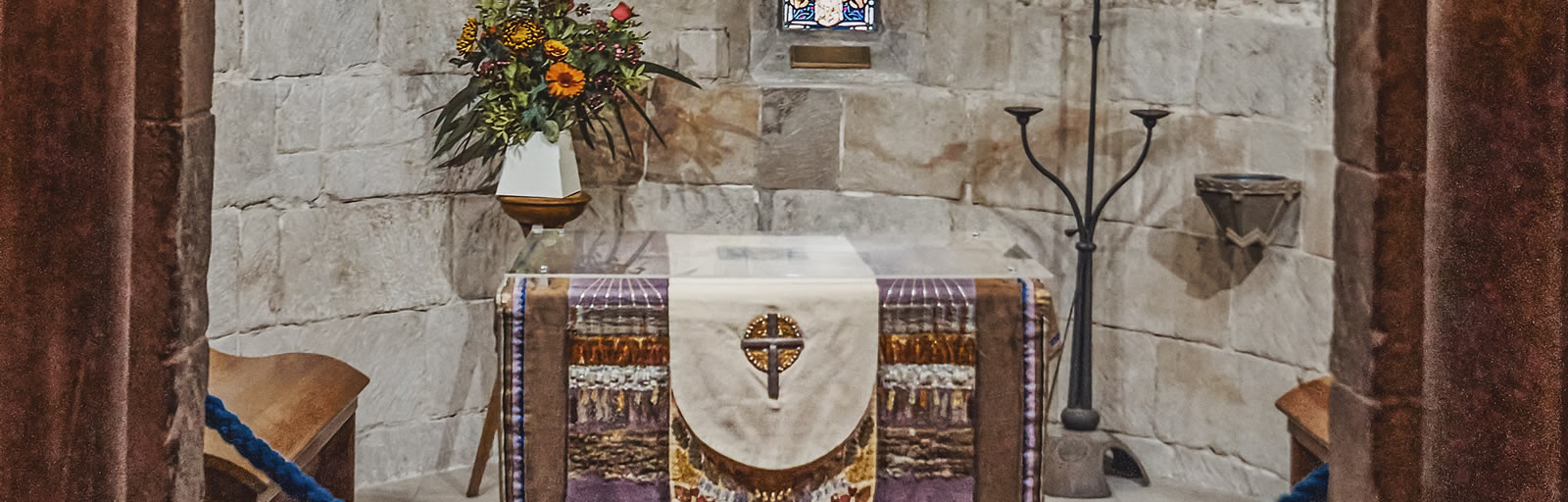
Altar cloths are an essential element in many spiritual practices, including Christianity, Buddhism, Hinduism, and Paganism. These cloths are often used to cover the altar, table, or surface where sacred objects, offerings, or prayers are placed during religious ceremonies or rituals. But what are altar cloths used for at home? How can they enhance your spiritual life and practice?
In this guide, we’ll explore the significance and symbolism of altar cloths and how you can use them to create a more sacred and meaningful space in your home.
The Significance and Symbolism of Altar Cloths:
Altar cloths have been used for centuries in various cultures and religions. They serve both a practical and symbolic purpose, creating a designated space for worship and setting the tone for the spiritual experience. Here are some of the meanings and cultural importance of altar cloths:
- Protection: Altar cloths are believed to protect the sacred objects or offerings from dirt, dust, and negative energy.
- Sanctification: Altar cloths sanctify the space by creating a designated area for the divine presence and making it holy.
- Decoration: Altar cloths can be made of different colors, patterns, and fabrics, adding beauty and aesthetic appeal to the sacred space.
- Symbolism: The colors, symbols, and designs of altar cloths can represent different spiritual aspects, such as purity, devotion, wisdom, or abundance.
- Focus: Altar cloths help to create a focal point for meditation, prayer, or ritual, reminding the worshipper of their intention and purpose.
- Tradition: Altar cloths have been used in many cultural and religious traditions for centuries, connecting the practitioner to their heritage and history.
How to Use Altar Cloths in Your Home Worship Setting:
Now that we know what altar cloths are used for at home, let’s explore some practical ways to incorporate them into your spiritual practice:
- Choose a cloth that resonates with your intention: Whether you want to enhance your meditation, connect with a specific deity, or invite more abundance into your life, choose an altar cloth that reflects your intention and purpose.
- Place the cloth in a designated space: Find a flat surface or table in your home where you can place your altar cloth and create a sacred space. This could be a corner of your bedroom, living room, or a separate room dedicated to your spiritual practice.
- Add sacred objects: Place sacred objects or offerings on the altar cloth, such as candles, crystals, flowers, or statues, that align with your intention and practice.
- Keep it clean and tidy: Make sure to keep your altar cloth clean and free from clutter, as this can affect the energy and symbolism of the space.
- Use it for rituals and ceremonies: Whether you perform daily meditation or celebrate special occasions, use your altar cloth as a focal point for your rituals and ceremonies.
FAQs:
Q: Can altar cloths be used for any religion? A: Yes, altar cloths are used in various religions and spiritual practices, including Christianity, Buddhism, Hinduism, Paganism, and more.
Q: What fabrics are commonly used for altar cloths? A: Some common fabrics for altar cloths include silk, cotton, linen, and wool. Choose a fabric that resonates with your intention and purpose.
Q: Can I make my own altar cloth? A: Absolutely! Making your own altar cloth can be a meaningful and creative experience. You can choose your own fabric, colors, and designs to create a personalized and unique altar cloth that reflects your spiritual journey.
Q: How often should I clean my altar cloth? A: It’s recommended to clean your altar cloth regularly, especially if it’s used for daily practice or rituals. You can hand wash it with mild soap and water, or have it dry cleaned if necessary.
Conclusion:
Altar cloths have been used for centuries as an essential element in many spiritual practices. They serve a practical and symbolic purpose, creating a designated space for worship and setting the tone for the spiritual experience.
Whether you practice Christianity, Buddhism, Hinduism, or any other spiritual tradition, altar cloths can enhance your spiritual life and practice at home
By choosing a cloth that resonates with your intention, placing it in a designated space, adding sacred objects, keeping it clean and tidy, and using it for rituals and ceremonies, you can create a sacred and meaningful space in your home.
So, what are altar cloths used for at home? They are used to connect with the divine, align with your intention, and create a space of peace, beauty, and reverence.
Main photo by K. Mitch Hodge on Unsplash
Read further posts:
May. 20, 2026
How to Create Your Own Personalized Tarot Spreads

May. 13, 2026
The Role of the Subconscious in Psychic Development

May. 05, 2026
How to Clear Your Aura After Challenging Interactions
Apr. 29, 2026
Tarot and Seasonal Rituals: Aligning Readings with the Earth Cycle

Apr. 21, 2026
The Difference Between Intuition and Ego: How to Tell Them Apart

Apr. 14, 2026
How to Develop Clairaudience (Psychic Hearing): Signs & Exercises

Apr. 07, 2026
How to Read Tarot for Children or Teens

Apr. 01, 2026
How to Recognise and Interpret Synchronicities in Daily Life

Mar. 24, 2026
Late-Night Psychic Phone Readings for Australians Who Need Guidance Now

Mar. 14, 2026
Why Australians Are Choosing UK Psychic Phone Readings for Spiritual Guidance

Mar. 11, 2026
Understanding and Using Sacred Geometry in Healing
Mar. 02, 2026
Using Tarot for Emotional Healing After Trauma

Feb. 23, 2026
Shadow Work for Spiritual Growth: A Step-by-Step Guide

Feb. 17, 2026
Signs from Loved Ones Who’ve Passed On: What to Look for

Feb. 10, 2026
Manifesting Love: How to Use New Age Tools—Tarot, Crystals, Affirmations

Feb. 03, 2026
Mindful Eating & Spirituality: Does What You Eat Affect Your Energy?

Jan. 28, 2026
How Psychic Readings Can Help in Business & Career Decisions
Jan. 20, 2026
How Psychic Readings Can Help with Grief
Jan. 13, 2026
How to Use Tarot Spreads: Daily, Weekly & Special Purposes

Jan. 06, 2026
Spiritual Significance of Dreams: Lucid Dreaming, Nightmares, and Recurring Dreams
Dec. 30, 2025
How to Create a Sacred Space at Home: Altars, Smudging, Candles, and More

Dec. 19, 2025
A Wellbeing guide for enjoying Christmas
Dec. 16, 2025
Using Colour & Journalling for Spiritual Growth

Dec. 09, 2025
Signs of Psychic Intuition: How to Recognize Yours

Dec. 03, 2025
What to Ask During a Psychic Reading: 10 Good Questions

Nov. 26, 2025
How to Connect with Your Spirit Guides or Angels

Nov. 18, 2025
Understanding Energy Healing: Chakras, Auras, Reiki, and More
Nov. 12, 2025
Using Aromatherapy Oils to Reduce Stress & Anxiety

Nov. 06, 2025
How Crystals Can Support Emotional Wellbeing: Science or Spirituality?
Oct. 29, 2025
Sound Healing: Using Singing Bowls, Drums & Music for Relaxation
Oct. 23, 2025
Spiritual Tools Every New Age Beginner Should Own

Oct. 14, 2025
How to Use Dreamcatchers & Wind Chimes to Improve Sleep & Energy
Oct. 08, 2025
How to Use Incense and Smudge Sticks for Space Cleansing

Sep. 30, 2025
Moon Rituals: How to Use the New Moon and Full Moon to Reset

Sep. 25, 2025
A Beginner’s Guide to Astrology: Sun, Moon & Rising Signs
Sep. 16, 2025
Tarot Cards 101: Meaning of Major & Minor Arcana

Sep. 10, 2025
The Power of Gratitude in Elevating Your Energy and Awareness

Sep. 01, 2025
Understanding the Role of the Ego in Your Spiritual Path

Aug. 26, 2025
How to Work With Crystals for Emotional and Spiritual Wellness

Aug. 19, 2025
Balancing the Chakras: A Practical Guide for Beginners
Aug. 13, 2025
How to Create a Sacred Space at Home for Daily Reflection | Simple Steps for Peace & Mindfulness

Aug. 05, 2025
Beginner’s Guide to Meditation for Spiritual Growth

Jul. 29, 2025
Yoga as a Spiritual Practice: More Than Just Flexibility

Jul. 23, 2025
The Role of Nutrition in Spiritual Clarity and Energy
Jul. 17, 2025
How to Create a Daily Wellness Routine That Feeds the Soul

Jul. 11, 2025
The Connection Between Mindfulness and Physical Health

Jul. 03, 2025
Signs You’re Experiencing a Spiritual Awakening

Jun. 25, 2025
Are You an Empath? 7 Psychic Signs You Might Be an Empath

Jun. 18, 2025
Psychic Readings vs. Tarot Cards: What’s the Difference?

Jun. 11, 2025
How a Psychic Reading Can Help You Heal After a Breakup

Jun. 04, 2025
Can a Psychic Help You Find Your Soulmate?
May. 28, 2025
The Most Common Love Questions People Ask Psychics

May. 20, 2025
What Your Favorite Color Reveals About Your Aura

May. 14, 2025
The Spiritual Meaning Behind Recurring Dreams

May. 07, 2025
What Your Love Life Says About Your Energy Field

Apr. 28, 2025
Should You Ask a Psychic About Your Ex?

Apr. 22, 2025
Top 7 Benefits of Getting a Psychic Reading by Phone

Apr. 16, 2025
Lifestyle and Health

Apr. 08, 2025
What to Expect During Your First Psychic Phone Reading

Apr. 01, 2025
Mindfulness for Beginners: A Step-by-Step Guide to Living in the Present
Mar. 25, 2025
Using Essential Oils for Emotional and Spiritual Well-Being

Mar. 19, 2025
Understanding Karma: How Your Actions Shape Your Spiritual Path

Mar. 10, 2025
The Role of Mercury Retrograde in Personal Transformation

Mar. 03, 2025
How Meditation Can Help You Manifest Your Dreams

Feb. 24, 2025
Astrology for Healing: How the Planets Influence Your Energy

Feb. 18, 2025
Energy Healing Explained: What Is Reiki and How Does It Work?
Feb. 10, 2025
Breaking Through Limiting Beliefs: A Spiritual Approach to Self-Healing

Feb. 03, 2025
The Magic of Sacred Plants: Spiritual Benefits of Herbal Teas and Remedies

Jan. 29, 2025
Stargazing for the Soul: Finding Inspiration in the Night Sky

Jan. 21, 2025
The Science of Synchronicity: How to Recognize Spiritual Signs in Everyday Life

Jan. 17, 2025
Channeling and Spirit Guides: How to Connect with Higher Wisdom

Jan. 14, 2025
Soulmates and Twin Flames: How to Recognize Spiritual Connections

Jan. 09, 2025
The Spiritual Lessons of the Seasons: Finding Balance in Change
Jan. 06, 2025
How to Align Your Chakras for Balance and Harmony

Jan. 02, 2025
Awakening Your Higher Self: 7 Practices to Raise Your Vibrational Energy

Dec. 29, 2024
The Law of Attraction Explained: How to Manifest Your Ideal Life

Dec. 20, 2024
Harnessing the Power of the Moon for Personal Growth

Dec. 18, 2024
The Art of Journaling for Spiritual Growth: 5 Techniques to Deepen Your Practice

Dec. 15, 2024
How to Perform a Full Moon Ritual for Releasing Negativity
Dec. 12, 2024
Sacred Smudging: How to Cleanse Your Space with Sage and Palo Santo

Dec. 09, 2024
The Power of Affirmations: Transform Your Life with Positive Energy

Dec. 05, 2024
Sacred Spaces: Creating a Meditation Room at Home

Dec. 03, 2024
Grounding Techniques: How to Connect with Earth Energy Daily

Nov. 29, 2024
The Healing Power of Sound: Exploring Singing Bowls and Mantras

Nov. 26, 2024
Forest Bathing: Reconnecting with Nature for Spiritual Healing

Nov. 23, 2024
The Spiritual Meaning of a Morning Ritual: How to Start Your Day with Purpose

Nov. 19, 2024
Psychic Guides and Personal Transformation: From Doubt to Belief

Nov. 13, 2024
Psychic Guides and the Power of Gratitude: Cultivating Positivity
Nov. 09, 2024
Timing with Tarot: Using Tarot to Predict Timelines and Events

Nov. 04, 2024
Tarot and Dream Interpretation: Using Tarot to Decipher Dream Symbols

Oct. 30, 2024
Tarot and the Chakras: Combining Tarot with Chakra Energy Work
Oct. 25, 2024
Tarot Ethics: Guidelines for Ethical Tarot Reading and Consulting
Oct. 22, 2024
Tarot Rituals: Incorporating Tarot into Meditation and Spiritual Practices
Oct. 03, 2024
Reversed Cards: Interpreting Reversed or Inverted Tarot Cards
Sep. 30, 2024
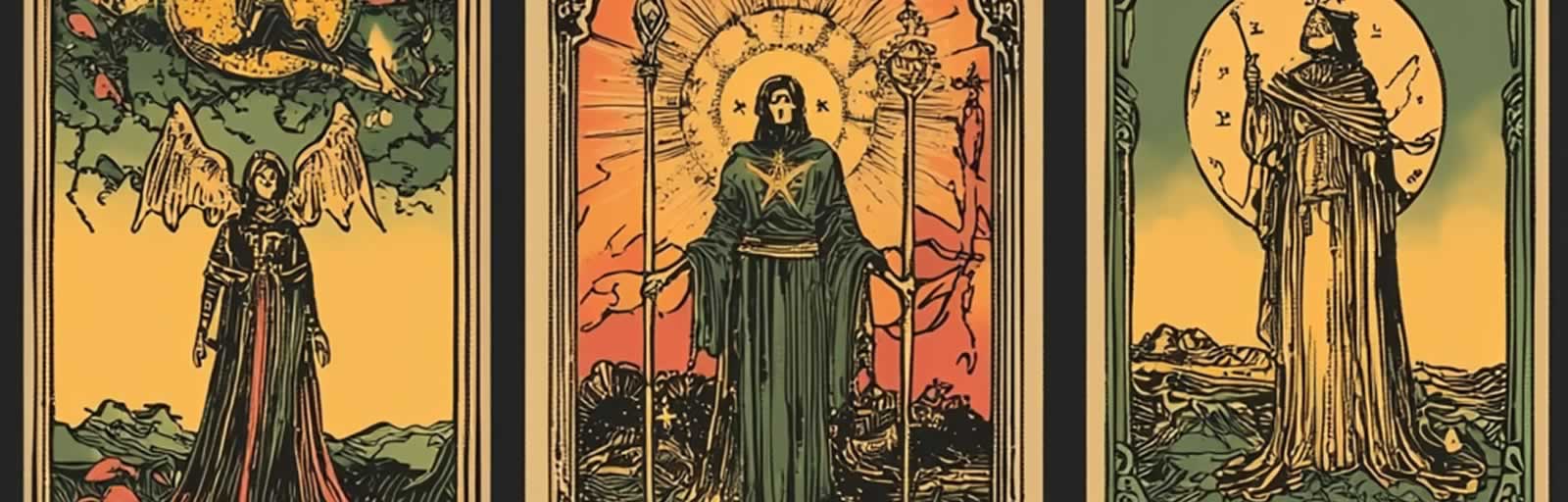
Symbolism in Tarot: Analyzing Symbols, Colors, and Imagery in Cards

Sep. 27, 2024
Understanding Dream Interpretation Through Psychic Readings

Sep. 24, 2024
Can Psychic Readings Help You Make Career Decisions?

Sep. 22, 2024
How Psychic Readings Can Help You Find Love and Improve Relationships

Sep. 18, 2024
How Psychic Readings Can Offer Guidance During Difficult Times

Sep. 15, 2024
Why Energy Readings Can Help You Clear Blocks and Move Forward

Sep. 11, 2024
Psychic Guides and Empathy: Nurturing Your Empathic Abilities

Sep. 08, 2024
Mindfulness and Meditation: Benefits, Techniques, and How to Get Started with Mindfulness and Meditation Practices

Sep. 02, 2024
Positive Psychology: Techniques for Fostering a Positive Mindset and Increasing Happiness

Aug. 28, 2024
Psychic Guides and Psychic Mediums: Bridging the Spiritual Gap

Aug. 20, 2024
Building a Support Network: Importance of Having a Strong Social Support System and Tips for Building One

Aug. 13, 2024
Self-Care Routines: Ideas for Incorporating Self-Care into Daily Life

Aug. 07, 2024
Psychic Mediumship: Connecting with Loved Ones on the Other Side

Aug. 02, 2024
Psychic Predictions: What to Expect and How to Interpret Them

Jul. 30, 2024
Psychic Readings for Career Guidance: Finding Your True Calling

Jul. 25, 2024
Building Resilience: How to Develop Resilience and Cope with Life’s Challenges

Jul. 22, 2024
Dream Interpretation: Unveiling the Messages from Your Subconscious

Jul. 18, 2024
The History of Psychic Readings: From Ancient Times to Modern Practices

Jul. 16, 2024
Psychic Development: Cultivating Your Intuition

Jul. 12, 2024
Nature and Wellbeing: The Benefits of Spending Time in Nature and How to Incorporate It into Daily Life

Jul. 09, 2024
Managing Anxiety and Stress: Tips and Techniques for Coping with Anxiety and Stress, Especially in the Workplace or During Major Life Changes

Jul. 05, 2024
Psychic Guides and The Akashic Records: Accessing Your Soul’s History

Jun. 29, 2024
Exploring Alternative Therapies for Enhancing Wellbeing, Such as Acupuncture or Aromatherapy

Jun. 27, 2024
Love and Relationships: Insights from Psychic Readings

Jun. 19, 2024
The Role of Nutrition in Supporting a Healthy Lifestyle and Wellbeing

Jun. 15, 2024